
Move to halt summer school for Macon high schools draws mixed reactions
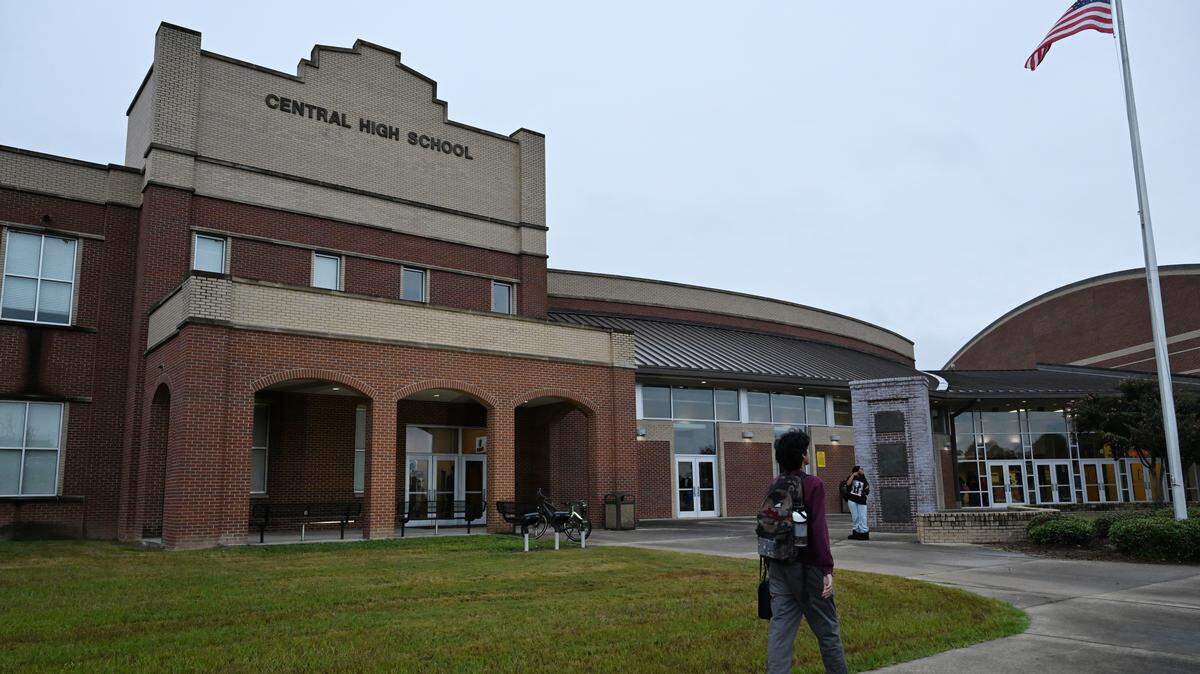
Some in the Bibb County School District community are worried the district’s decision to discontinue summer school for high schoolers in 2026 will hurt students already struggling academically.
District officials cite expanded credit recovery opportunities and more frequent academic check-ins throughout the school year as reasons for ending the summer program.
“Our goal is to ensure students receive support right when they need it, allowing them to stay on pace without relying on summer recovery,” Bibb County Schools Superintendent Dan Sims shared with families Wednesday afternoon. “High school students should use summers for work, enrichment, college/career preparation, or rest—not to make up classes in which they can be successful in right now.”
Sims said this new plan will provide parents with progress updates every three weeks to help families stay informed and address academic needs early.
But some locals fear the change will negatively affect at-risk students.
“It feels like setting our kids up for failure,” said Macon native Kimberly Tinsley, adding that many students still face post-pandemic learning challenges or testing anxiety. “They do the work, make As and Bs all year, but can’t pass the test due to severe testing anxiety, and they fail them, so if you take away summer school, what do they have?”
Tinsley acknowledged some students are not attending summer school as required but urged the district to maintain the credit recovery option for those who may need it.
“We are talking about their futures and their lives here,” she said.
The district did not respond to questions prior to publication about whether budget concerns or low attendance played a role in the decision, though previously shared reports showed an increase in summer school enrollment in 2025 compared to the previous year.
Other community members support the shift.
Stasia Roberson, whose daughter is an 11th grader at Westside High, believes it will hold students more accountable.
“From what I can tell, some of the students have gotten laxed, and they tend to use summer school as a cushion,” Roberson said. “Their mentality could be: ‘Oh, I’ll slack this semester and make it up later.’ Some of them don’t want to go to school.”
Still, Roberson expressed concern for students who need extra support.
“What if you have someone that actually has tried, and they just need a little bit more help at the end of year, and you have taken that away from them?” she said.
While Roberson says she doesn’t 100% disagree with the decision of no summer school, she wishes the district had waited until the end of the semester to announce the change.
“I was shocked when I heard about it. It was so abrupt,” she said. “They should have done this at the end of the school year, so students would have time to mentally prepare for it.”
Roberson suggested the district develop a program to determine eligibility for summer school based on students’ academic performance.
At previous board meetings, district officials have discussed considering the expansion of credit-recovery support during the school year to reduce the need for summer programs for high schoolers.
In messages shared with families, high school officials encouraged students and parents to set goals and focus on graduation requirements.
The Bibb County School District recently saw its highest graduation rate on record in the past decade, with the class of 2025 achieving 88.97%.
District officials acknowledged questions about whether the decision is permanent and what support will be available for students who do not earn recovery points during the year, but did not respond before publication.
Roberson said she “genuinely hopes” the district will provide additional support for struggling students and praised improved parent communication about academic check-ins for this school year.
“I do receive active emails regarding my daughter’s grades, whether they’re slipping past a certain point or if she hasn’t turned an assignment in,” she said. “I do think they are heading in the right direction with that.”
BCSD superintendent provides clarity, next steps
Sims said the district will place full emphasis on its expanded credit recovery system instead of summer schools. This is a part of the district’s initiative, “The Push: Powering Excellence Through Literacy and Attendance.”
“Families should plan for all credit repair, recovery, and remediation to occur during the regular school year,” Sims said. “This approach supports THE PUSH by keeping students present, engaged, and progressing throughout the year.”
Sims said the decision is meant to provide immediate and ongoing support during the 180-day school year.
“It is effective and efficient, but students must take full advantage of it to be successful,” he added. “When students delay addressing their academic needs, recovery becomes more challenging later. This has been the case for many students, and Right Now Recovery intends to shift this culture.”
Schools will monitor participation closely and provide timely support. While the district may review limited summer needs internally, Sims said this will not replace the school-year recovery model.
Sims encouraged families to support students by helping them set academic goals early, monitor weekly progress, seek help as soon as gaps appear, maintain strong attendance and take advantage of all credit recovery opportunities.
District officials urge families with questions or those needing help developing a plan to contact their chid’s counselor.
“We are here to support you and your high schooler every step of the way, and we must expect more from our students right now,” Sims wrote.