
Most struggling students skip Macon’s summer learning program
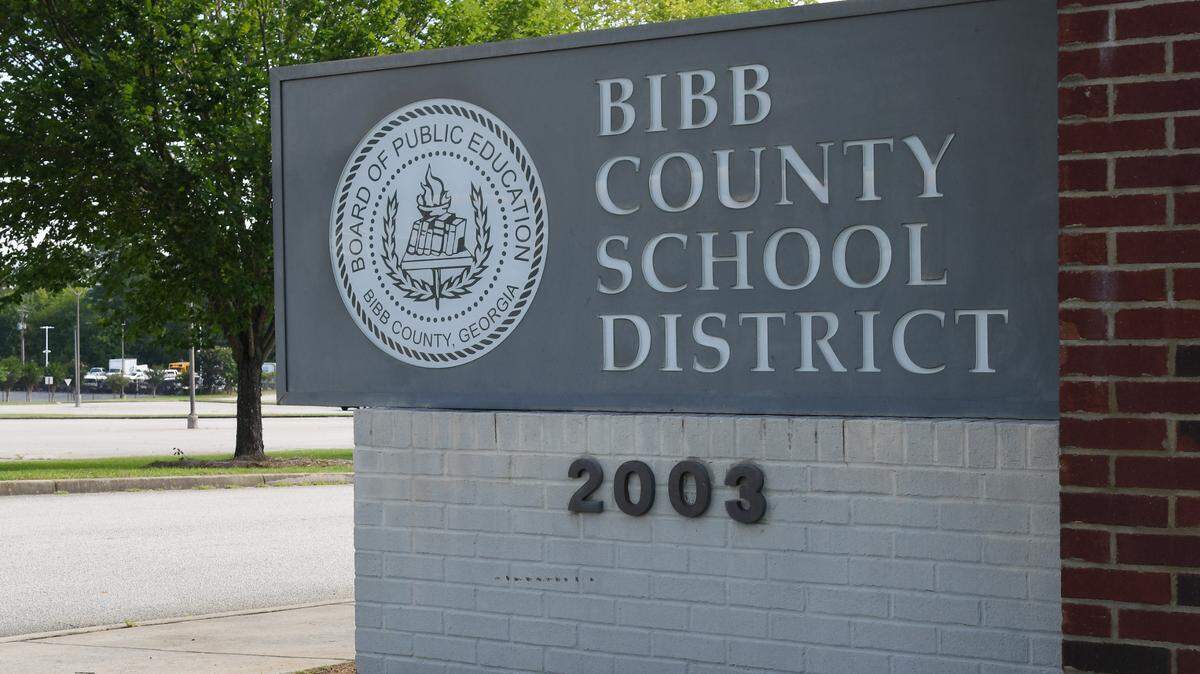
The Bibb County School District is re-evaluating what its summer learning programs could look like next year, signaling a potential shift in focus before considering new strategies to increase student participation, according to school leaders.
The district’s free 15-day Reading and Math Summer Opportunity Program, held from June 2 to 26, invited 3,241 elementary and middle school students in Macon identified as “far below grade level proficiency” in reading and math. Only 1,020 students, or 31%, participated. That was a marked increase from last year’s enrollment, district leaders said at the August board meeting.
Students were selected based on their academic performance in reading and math proficiency on district screeners and their grades in English language arts and math. The program, targeting students in grades three through eight, was designed to prepare students for the next grade level.
“We identified students who were deficient in some skills that they needed for the next grade level, and we invited them to the summer program to help brush up on those skills,” Brian Butler, BCSD executive director of teaching and learning, told The Telegraph.
Butler emphasized the program is highly recommended, but not required.
BCSD spokesperson Stephanie Hartley said summer school attendance does not guarantee or deny a grade move, and it’s the principal’s decision to retain a student after reviewing student records.
The current version of the opportunity program has been in place since at least 2022, Butler said. Prior to the COVID-19 pandemic, summer school was sometimes linked to grade promotion, he added.
In 2024, 974 of 2,232 invited students attended summer school. This year, 1,020 of 3,241 students participated.
Georgia Milestones scores presented at the board meeting show Bibb County students made gains in math across the board, but reading remains a challenge.
The district trails statewide assessment averages in most subjects, increasing urgency for participation in academic support such as the summer program to continue closing achievement gaps.
Despite the low turnout, data presented to the board showed that students who did attend made gains compared to pre-test and post-test scores.
The percentage of district third graders approaching or on target for their reading level rose from 46% to 76%. In math, the on-target proportion grew from 16% to 44%.
In fifth-grade reading, 97% of the students were below or approaching their target on the pretest, and just 3% were on target, according to district data. After the program, 86% were below or approaching their target and 14% were on target.
Students in the program received four hours per day of English language arts and math instruction focused on numeracy, literacy and personalized learning. Elementary math trends mirrored those in reading, while middle school students showed growth in English language arts.
But most students still did not reach grade-level proficiency by the end of the program.
Board member Daryl Morton asked Butler if the term “on target” means “on grade level.”
Butler clarified that being “on target” means a student is ready for the upcoming school year’s skills, but it does not necessarily indicate full grade-level proficiency.
What’s next?
Before the district can identify barriers or reasons that are tied to low participation in the summer school opportunity program, Butler said the district needs to prepare for what summer school will actually look like next year.
“After we narrow that focus, then we’ll really focus on how we can get the students there,” he said. “Some of our work is just communicating to parents, (which) has been working. Even though we had a lot of families who didn’t take advantage of the opportunity, the numbers are increasing. They’re just obviously not where we want them.”
Board member Henry Ficklin asked about developing plans to increase participation, especially among students identified as deficient and who may view the “vital program” as punitive.
Butler said the district may move up its invitation timeline to improve parental outreach. The district is also considering additional summer programs for students in kindergarten through third grade to prevent them from falling behind.
“When we looked at the data, you can see that each grade level gets a little further and further behind,” Butler said. “So, we want to make sure that we can get them as early as possible.”
Board member Myrtice Johnson asked why the lower grades were not included for the most recent summer program, questioning if there was a funding issue.
“Honestly, we have a lot of tradition where we have focused on the upper grade levels, and that’s because they’re tested, but I think we’re starting to really look at if we go earlier, it will show up in our test scores later if we can get the problem earlier,” Butler responded, noting that the younger grades had better attendance than the upper grades throughout the program.
Staff surveys of those who worked with third through eighth graders indicated that the summer program’s instructional resources supported improved achievement. Student surveys of participants in those grades showed most agreed the program helped their skills and preparedness for the next grade, though the majority did not want to attend again.
This story was originally published August 28, 2025 at 3:41 PM.