
Bibb County Schools join state push to reduce high student absences in GA
Georgia education leaders, policymakers and researchers are on a mission to figure out why about 21%, or 360,000 of Georgia’s public school students, were chronically absent last school year.
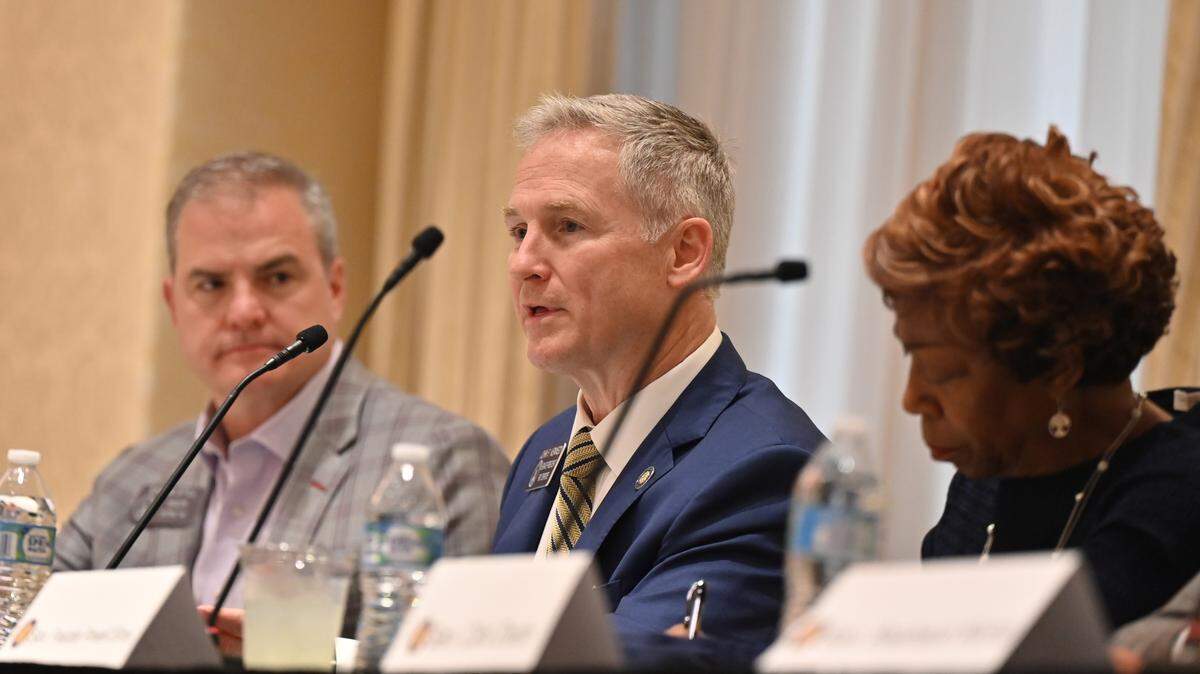
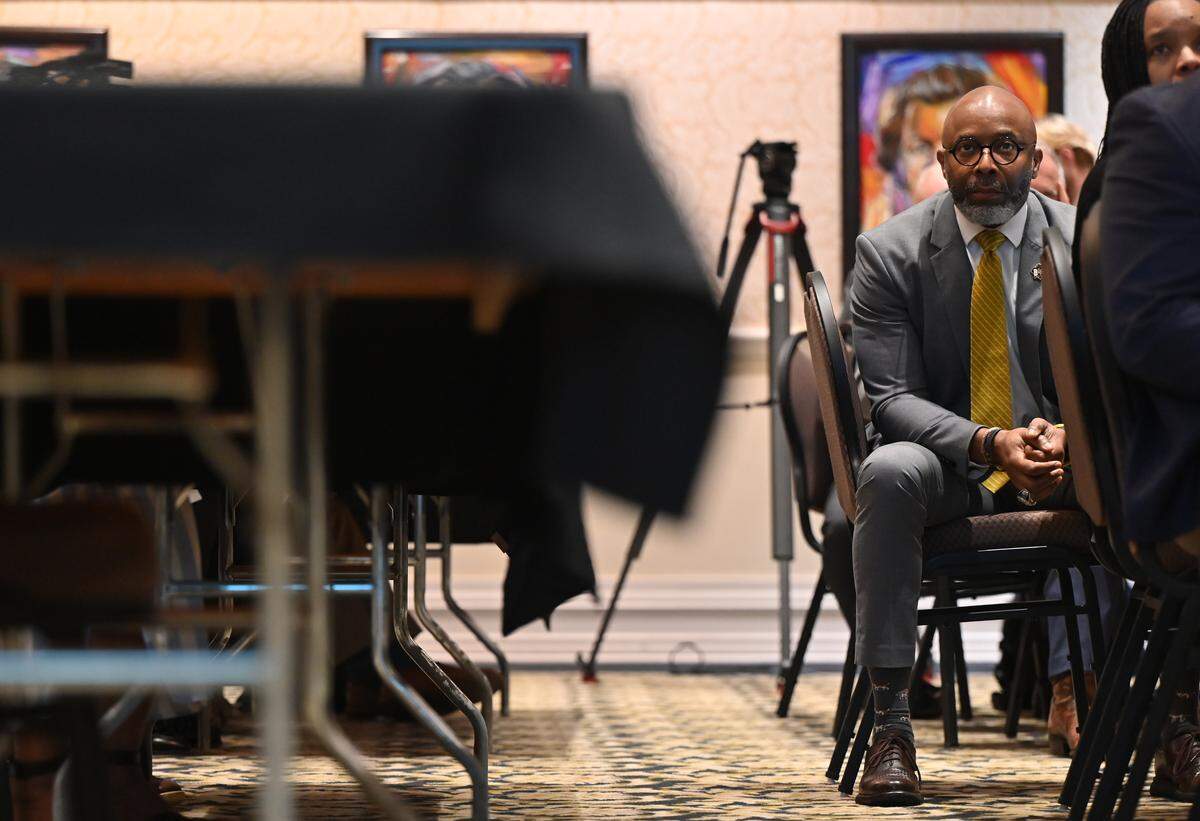
The Georgia Senate Study Committee on Combating Chronic Absenteeism in Schools held its first meeting Thursday afternoon at Mercer University in Macon, spotlighting what committee chairman Sen. John F. Kennedy (R–Macon) called an overlooked issue. The nearly three-hour meeting explored targeted interventions that can help reduce absenteeism and improve student success.
Chronic absenteeism is defined as missing 10% or more of a school year, or 18 days. In 2025, Kennedy introduced Senate Bill 123, which Gov. Brian Kemp signed into law to promote more proactive measures aimed at reducing absences.
“This isn’t just about reducing numbers,” Kennedy said at the meeting. “It’s about understanding why students aren’t showing up for class. What support are they missing? How can we respond in ways that are compassionate, strategic and effective?”
Georgia’s struggle with chronic absenteeism mirrors nationwide trends, increasing from 12% of public school students before the COVID-19 pandemic to 23% in 2022. The current rate has dropped to a five-year low of 19.5% but remains high, according to state officials.
Presenters linked absenteeism to student academic performance.
Justin Hill, deputy superintendent of whole child supports at the Georgia Department of Education, shared data highlighting that students who maintained regular attendance in 2024 scored twice as high in the “proficient learner and above” category on the Georgia Milestones tests as chronically absent students.
State Superintendent Richard Woods said the state’s education department has focused on this issue for more than a year and emphasized a shift needed from punitive responses toward addressing the root causes of absenteeism.
“If our kids are not in school, they can’t learn, and it just spills over,” Woods said during the meeting. “It starts a trend that is not very good ... we’re talking about building positive relationships and trying to find the root cause.”
Woods also emphasized the need for early intervention, starting with pre-K and even birth-to-age-5 programs, to equip families and students early on.
Absenteeism rates for elementary and middle schools are dropping, while high school rates remain stubbornly high across the state, Hill said.
Title I schools in Georgia show higher chronic absenteeism compared to non-Title I campuses, Hill added. All of Bibb County Schools were considered Title I in 2024. The district’s absenteeism rates also exceed state overages.
Bibb County Schools Superintendent Dan Sims said SB 123 aligns closely with the district’s efforts to intensify school-level approaches that address absences. Sims declared tackling chronic absenteeism as a top priority for this school year.
Sims said 62% of Bibb students identified as chronically absent have been struggling with the issue for at least two consecutive years. He identified common barriers to attendance including bullying, transportation issues, inclement weather and mental health challenges.
In response, the district has implemented strategies such as “breakthrough teams” for personal student check-ins, Positive Behavioral Interventions and Supports, and partnerships with community organizations over the years, Sims said.
“We literally go and see the child, put our eyes on the child, to provide that personal incentive of somebody checking on you to see if you’re there,” he said, noting that this approach also helps identify attendance barriers and gives school officials opportunity to intervene if needed.
The district also recently hired a truancy intervention specialist familiar with the local community and plans to develop a community attendance action team made up of ministers, local leaders and students, Sims said.
The Senate Study Committee on Combating Chronic Absenteeism in Schools was created through Senate Resolution 217.
The Senate committee study highlighted early intervention, reducing student barriers, and improving the school environment as key strategies to addressing the problem. Kennedy said he does not expect SB 123 to be an immediate fix, but anticipates the committee will lay the groundwork for long-term solutions.
The committee plans to meet four more times: Sept. 22, Oct. 16, tentatively Nov. 12, and Nov. 20.