
Bibb County Schools weigh staff raises, new hires amid projected $25M deficit
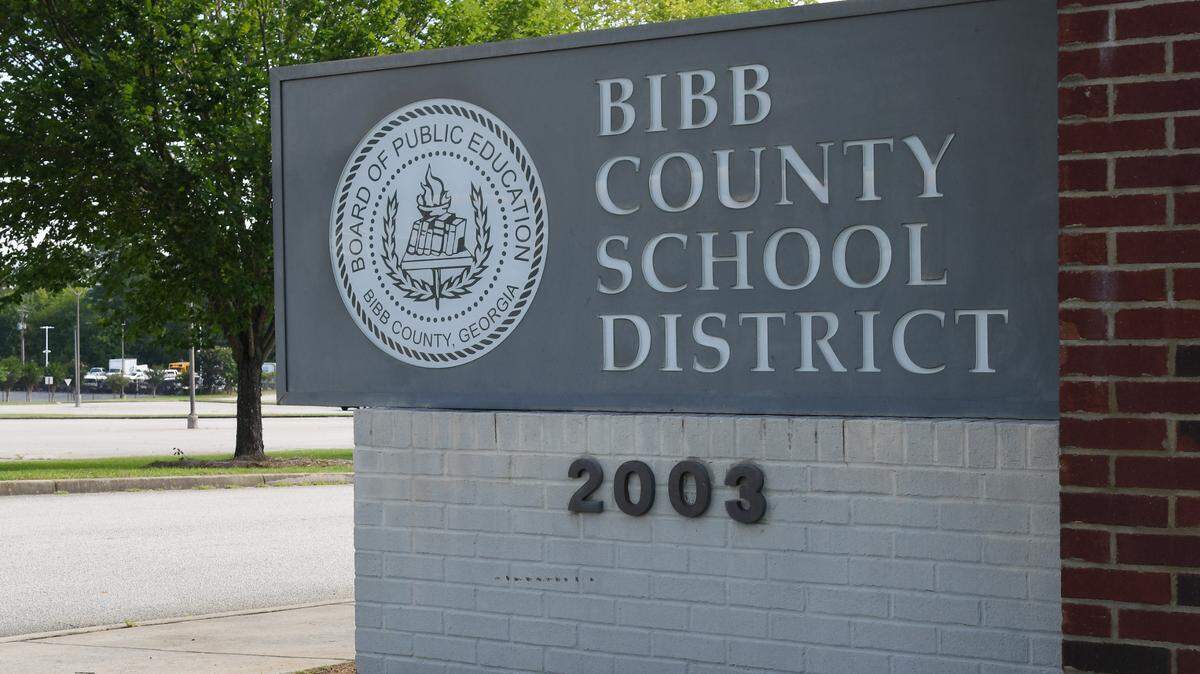
The Bibb County Board of Education met Monday to discuss its fiscal year 2026 budget, outlining a projected deficit of up to $25 million while weighing priorities such as teacher retention and student achievement.
Chief Financial Officer Eric Bush presented several preliminary budget scenarios, each reflecting varying impacts based on potential salary increases and staffing adjustments.
The Bibb County School District is grappling with unfunded mandates, including higher state-mandated health insurance costs, that contribute to the budget deficit, Bush said. The district is also facing a $9.1 million reduction in equalization grants, which are designed to help close the funding gap between districts with high and low property wealth.
“Despite the looming shortfall, Superintendent Dan Sims said the district’s core budget priorities through fiscal year 2030 will remain centered on retaining qualified educators, expanding professional development and improving student literacy outcomes.
The budget proposes a 3% salary increase for certified employees and the implementation of a classified salary schedule to remain competitive. Bush said the schedule would cost $2.4 million but could help stem the loss of experienced staff to higher paying positions with other employers.
Board member Henry Ficklin pushed for a higher raise, citing the loss of about 40 teachers to neighboring districts.
In addition to higher pay, the district is considering new positions, including a truancy specialist to combat chronic absenteeism, an assistant athletic director and a K-5 ELA school improvement coordinator.
But several board members raised concerns about expanding staff and at a time the district faces financial uncertainty.
“How are we going to balance this budget?” board member Barney Hester asked, noting that he looked forward to hearing proposed cuts that would help the district grow closer to its goal rather than the new positions.
“I don’t think we could reduce (the budget) enough to balance $20 million out of it, to be honest with you,” Bush responded to Hester. “At some point of time, we’re going to have to catch up to our millage rate or rely on state income to come in.”
Board member Daryl Morton raised additional concerns about the long-term financial impact of school choice vouchers, as declining student enrollment is currently an issue for the district.
“We’re in great financial uncertainty at this point,” Morton said. “I am concerned about adding fixed costs to our budget, which means salary increases for all employees, added positions without financial certainty looking forward.”
Bush’s presentation also highlighted that raising the millage rate by one mill could generate nearly $6 million for the district.
“I find it really hard to wrap my head around the notion that we will raise taxes so we can bring in new employees and give significant salary increases,” Morton said before mentioning he would prefer a one-time bonus for employees until the district has more financial clarity.
The preliminary budget also proposed the reclassification of some roles within the district, as well as the possibility of cutting 30 vacant positions — 23 certified and seven classified. Bush said the methodology behind the 30 is roughly a 1% decrease in staff across the board – 12 elementary, six middle and six high school positions as well as seven classified staff positions. Certified employees are teaching or support staff in which the individual must hold a valid state certification. Classified staff do not have that requirement.
“We are in a tight budget year,” board member Henry Ficklin said. “ ... Basically the outlook is to make sure we don’t hire any additional people that is going to impact this budget negatively … With that being in place, then what I question is, why does this budget add in new positions?”
“It’s not necessarily true that we don’t want to add positions for the sake of the budget; rather, what I’m presenting today is an analysis of what we feel like we need to push the district for FY26 and beyond,” Sims said in response to Ficklin. “I agree with you 100% in that things are tight, but the question I have to struggle with every single day with all the unfunded mandates and impositions on our bottom line, what are we willing to surrender in terms of moving our district forward?”
Here’s a breakdown of the district’s projected FY26 budget deficits under different scenarios that are up for consideration:
No salary increases: $17.1 million deficit
3% salary increase across the board: $21.3 million deficit
3% certified salary increase + classified salary schedule implementation: $25 million deficit
Above scenario + reduction of 30 vacant positions: $22.3 million deficit
The board will vote on a tentative budget adoption on May 15, followed by two public hearings in June. The board will have its final FY26 budget adoption on June 18, though it may request final revisions prior to final adoption in June.
This story was originally published May 6, 2025 at 3:30 PM.