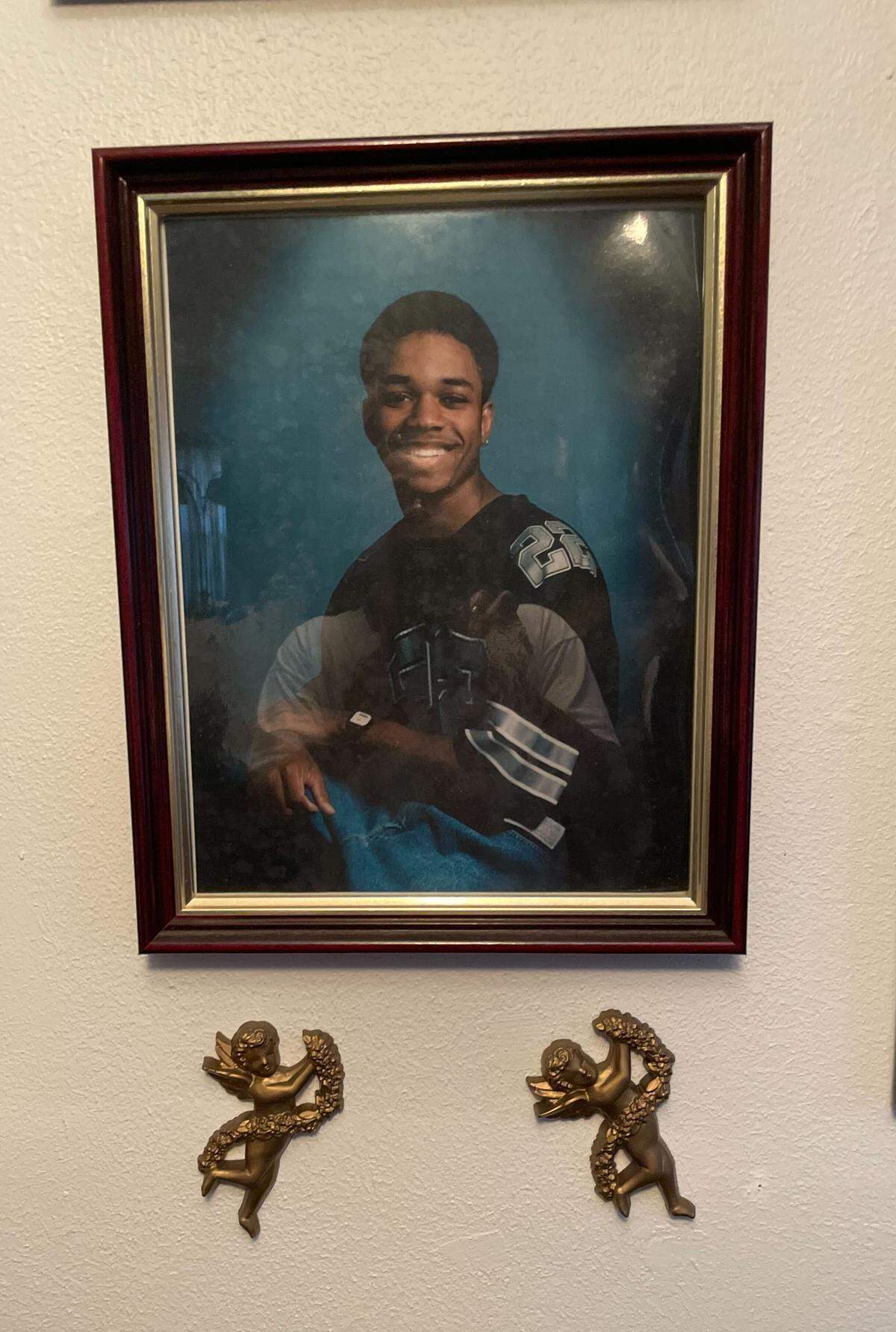
‘I was too hard on him.’ Former Houston County DA hopes to reverse man’s life sentence
AI-generated summary reviewed by our newsroom.
- Former Houston County DA regrets recommending life without parole in 1997 case.
- Co-defendant Jackson got 10 years via plea; Askew got life after trial.
- New legislation, if passed, could reduce some of the most severe possible sentences.
A retired district attorney regrets only one case of the thousands he prosecuted decades ago in Houston County.
A new law considered in the Georgia House Thursday could release people who the justice system previously sentenced to life in prison.
1997 was Kelly Burke’s first year as district attorney of the Houston Judicial Circuit, and the young elected official wanted to prove his tenacity to uphold the law and prove a point to other offenders, he said.
So Burke recommended that Jessie James Askew Jr., a father with four prior felony convictions, be sentenced to life in prison without the possibility of parole for an armed robbery at Morrison’s Fresh Cooking, where Askew previously worked. No one was injured.
Askew also was found guilty of three counts of kidnapping, three counts of aggravated assault and three counts of possession of a firearm during the commission of these crimes , court records show.
“Jessie was just, for him unfortunately, the first one to get the (recidivist) sentence,” Burke said. “It was a hammer when all I really needed was a pillow. In hindsight, I knew that I was too hard on him.”
Georgia’s recidivist statutes were enacted a few years before the restaurant holdup, and allow for the most severe possible sentence other than death for repeat felony offenders.
Parole boards were more willing to adjust sentences back then, the former prosecutor said.
“My experience of parole was in one door and out the other… I thought, Jessie will serve some amount of time and get out. That was normal,” Burke said. “But this law of recidivism was a new law, and they said, ‘without parole.’ I didn’t think they really meant it.”
Fernando Jackson, another man convicted in the same armed robbery, faced only 10 years in prison because he pleaded guilty. Askew, on the other hand, opted for a jury trial and faced life, court records showed.
“I didn’t plea out to the armed robbery because I was told by my attorney Rodney Davis that I didn’t have any choice except to go to trial,” Askew emailed The Telegraph on Feb. 9 from Telfair State Prison in McRae-Helena.
Burke, now 67 years old, agreed and said, “His attorneys were not helping. I really wish that his attorneys had been more understanding of what was going to happen if they pushed it over to trial.”
The Telegraph was unable to contact Davis prior to publication.
Jackson has been released from prison. Askew is still incarcerated almost three decades later.
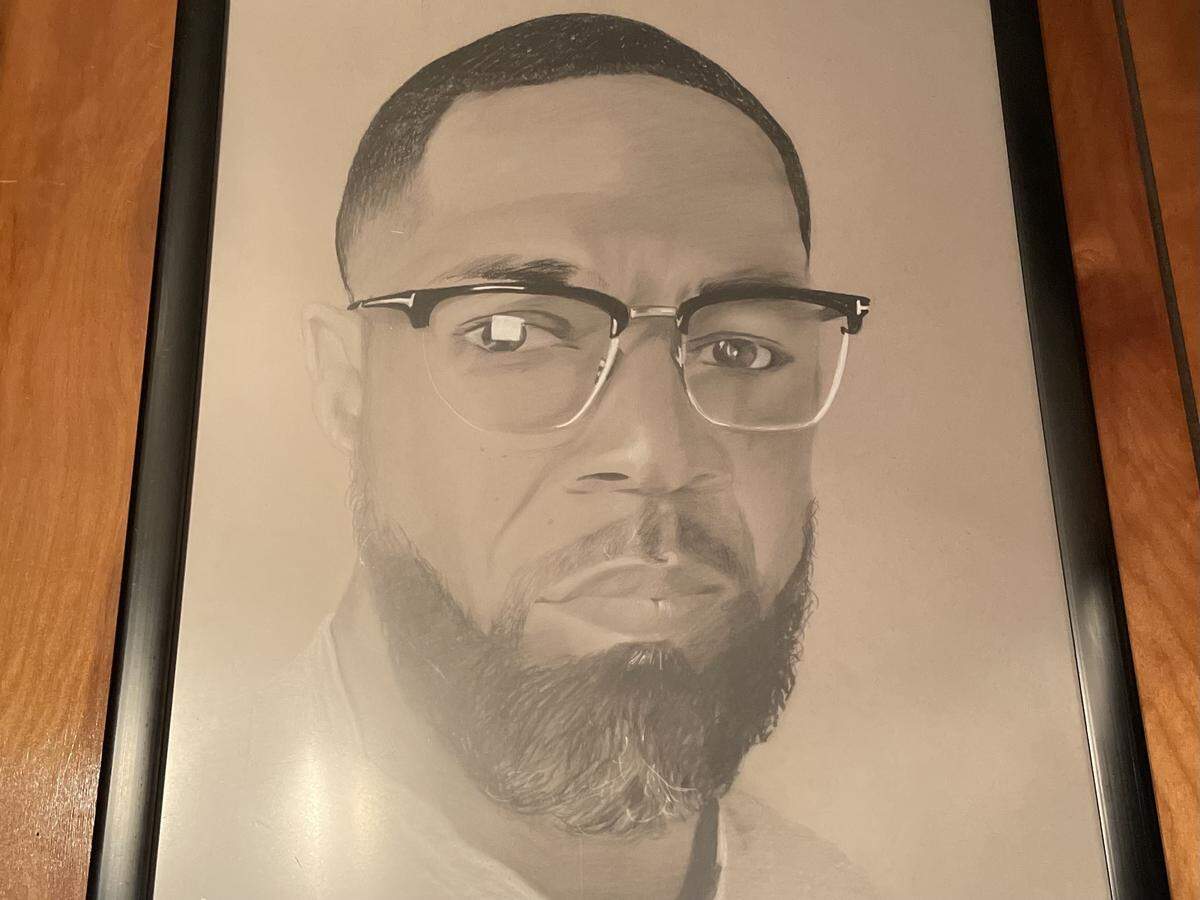
“I spend my time reading, drawing, painting, fighting my case and I’m a orderly on the Medical floor where I assist the medical staff,” Askew said of his prison time.

In recent years, he argued the legality of the order in court, and Burke supported him.
“They filed a habeas (corpus), they filed appeals, everything that somebody can do, and I even went to some of those hearings as a witness,” Burke told The Telegraph. “I said, ‘Judge I feel bad this is my fault. I overreacted. When Jessie demanded a jury trial, I punished him for doing that.’”
The judge and a parole board didn’t budge, according to court documents.
A few years after Burke recommended Askew’s life sentence, remorse sunk in — even more so when Burke was diagnosed with cancer in 2017, and it spread to his brain stem.
“It was a bad decision. I was wrong. And I’m sorry I was wrong. And I’m sorry Jessie’s had to serve 28 years…,” Burke said. “Is it technically the initial sentence? Yes, but it wasn’t fair.”
The Warner Robins resident uses a motorized wheelchair, slurs his words and struggles to swallow, though his cancer has disappeared.
“I flunked out of hospice because I wouldn’t die,” Burke said. “I think the Lord is keeping me around to make sure he gets out.”
How sentence could be reduced
Askew said he’s optimistic he’ll be released if an “awesome plan” conceived by Burke passes in Georgia.
House Bill 894, or the Georgia Second Look Act, could shorten life sentences for certain offenses if the person has served at least 20 years, made efforts to improve themself while incarcerated and met other requirements outlined in the bill.
It would “authorize the sentencing court to review and resentence certain cases where the punishment of life without parole was imposed,” the bill states.
Burke, a Republican, proposed the idea to State Rep. Shaw Blackmon (Bonaire-R) who is co-sponsoring House Bill 894 with Rep. Scott Holcomb (Atlanta-D). The bipartisan bill was being considered by the House Judiciary Non-Civil Committee Thursday, in which representatives discuss potential changes before it can be voted on by the House.
“I have great big plans for my future when I get out. I have accomplished so much over the years with My education,” Askew said of his studies in vocational and skilled trades. “I deserve a second chance and I’m definitely ready to live My life outside of this place and be a blessing to My family and those I can encourage to stay away from crime.”