Capitol riot pardons: How Trump’s Jan. 6 order affects suspects arrested in Macon
A Middle Georgia resident was among the people receiving pardons and being released from custody after President Donald Trump signed an executive order on Monday, court records show.
Trump signed an executive order on his first day in office that pardoned or commuted sentences for more than 1,000 suspects charged with participating in the Capitol riot, an ordeal that disrupted Congress as it tried to certify the results of the 2020 election, which former President Joe Biden won over Trump.
Trump called the arrests and prosecutions of the 1,000-plus people “a grave national injustice ... perpetrated upon the American people over the last four years.” Many facing pending cases had their charges dismissed, and others who had already been convicted were set to be “released immediately,” according to the order.
Four suspects were arrested in Macon or nearby and charged with participating in the riot, according to court records.
One man gets case dropped
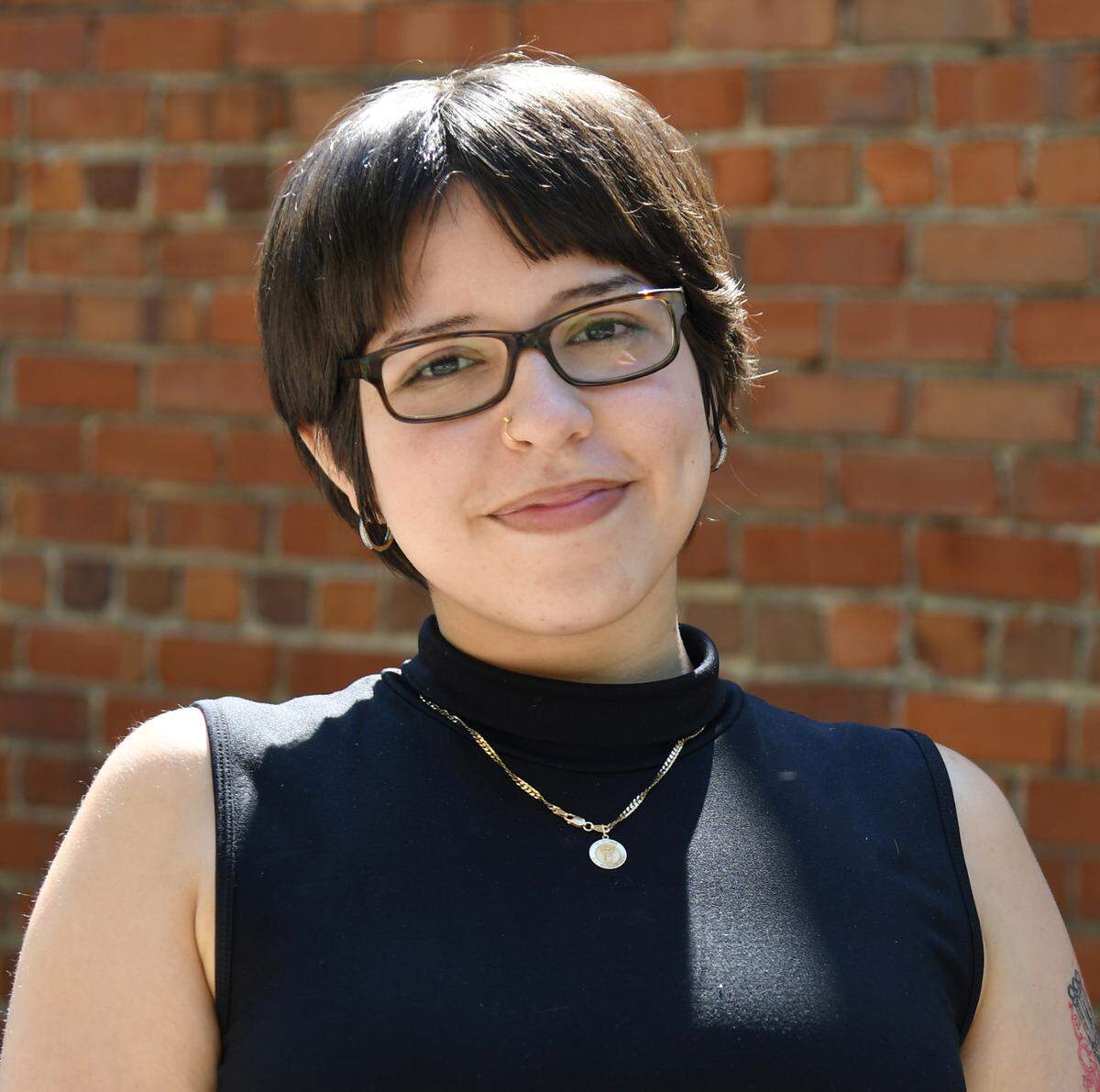
William McCall Calhoun Jr., who was charged in January 2021 and later convicted, had his sentence officially dismissed Tuesday by federal prosecutors. But prior to that, he had already gotten prosecutors to request his case be vacated.
Calhoun was charged with one count of entering a restricted building without authority, one count of engaging in disorderly conduct, one count of obstructing government proceedings and one count of picketing in a Capitol building. He’s from Americus, but was arrested three days after his indictment in Macon, court records show.
The FBI was tipped off about Calhoun’s involvement at the Capitol in November 2020, when someone called agents to say Calhoun had made social media posts encouraging people to storm the capital city and peacefully protest but carry guns, according to court records. Calhoun also allegedly posted threats to “kill every last communist who stand(s) in Trump’s way.” He made another post about going to Washington, D.C., “to give the GOP some back bone,” court records alleged.
FBI agents found that Calhoun had recorded himself inside the Capitol building on Jan. 6, 2021, and posted it on Facebook. He also posted messages on Facebook, saying that “patriots have taken the Capitol Building.”
“Today the American proved that we have the power,” Calhoun said in another Facebook post, court records showed. “We physically took control of the Capitol building in a hand to hand hostile takeover. We occupied the Capitol and shut down the Government - we shut down their stolen election shenanigans.”
Calhoun was convicted in March 2023. He was sentenced to a little over a year in prison and two years of probation, plus $2,000 in restitution. He appealed, and after a Supreme Court ruling in a different case related to obstructing an official proceeding, both the prosecutors and Calhoun’s defense team asked for his conviction to be vacated.
2 arrested in Macon have already served their time
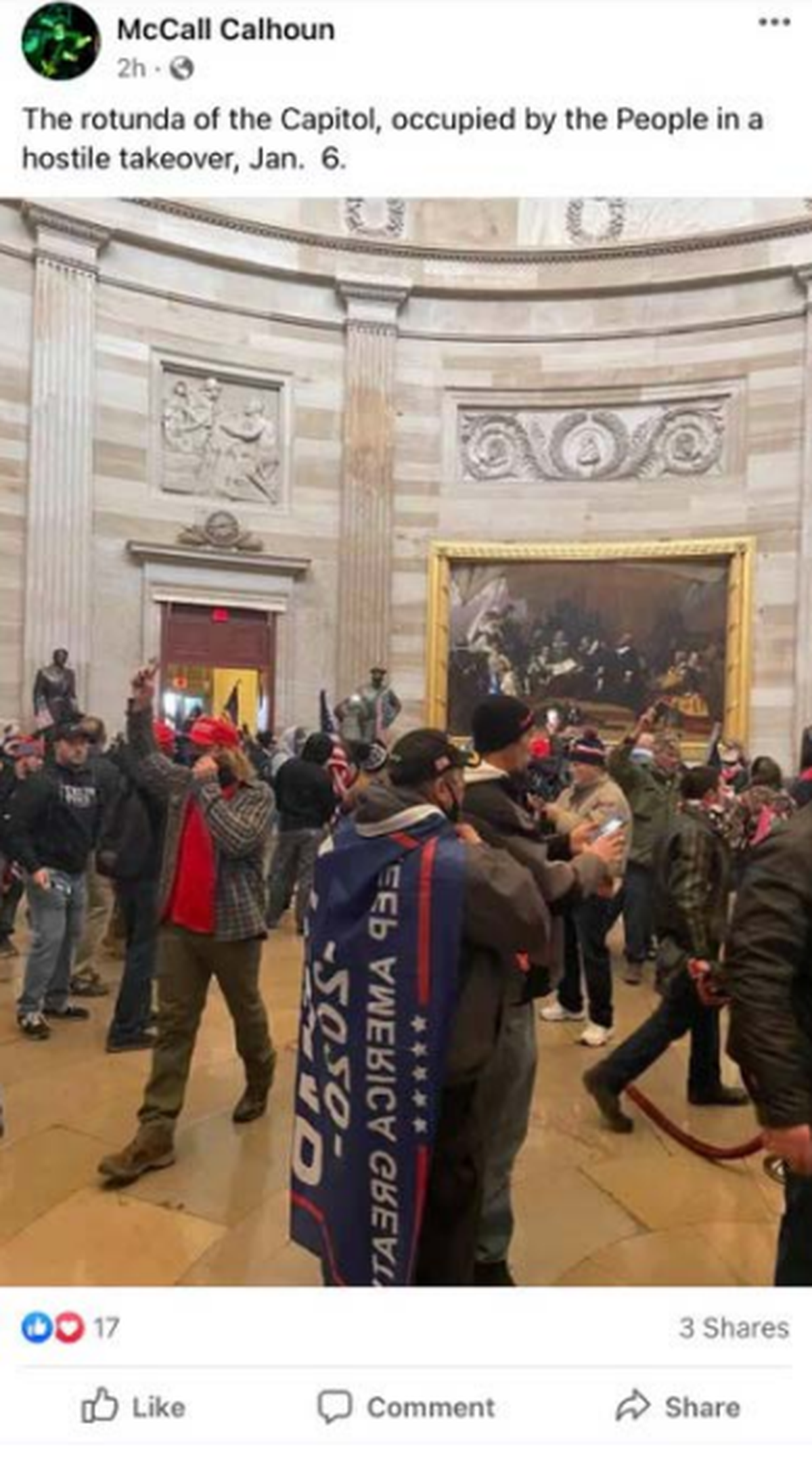
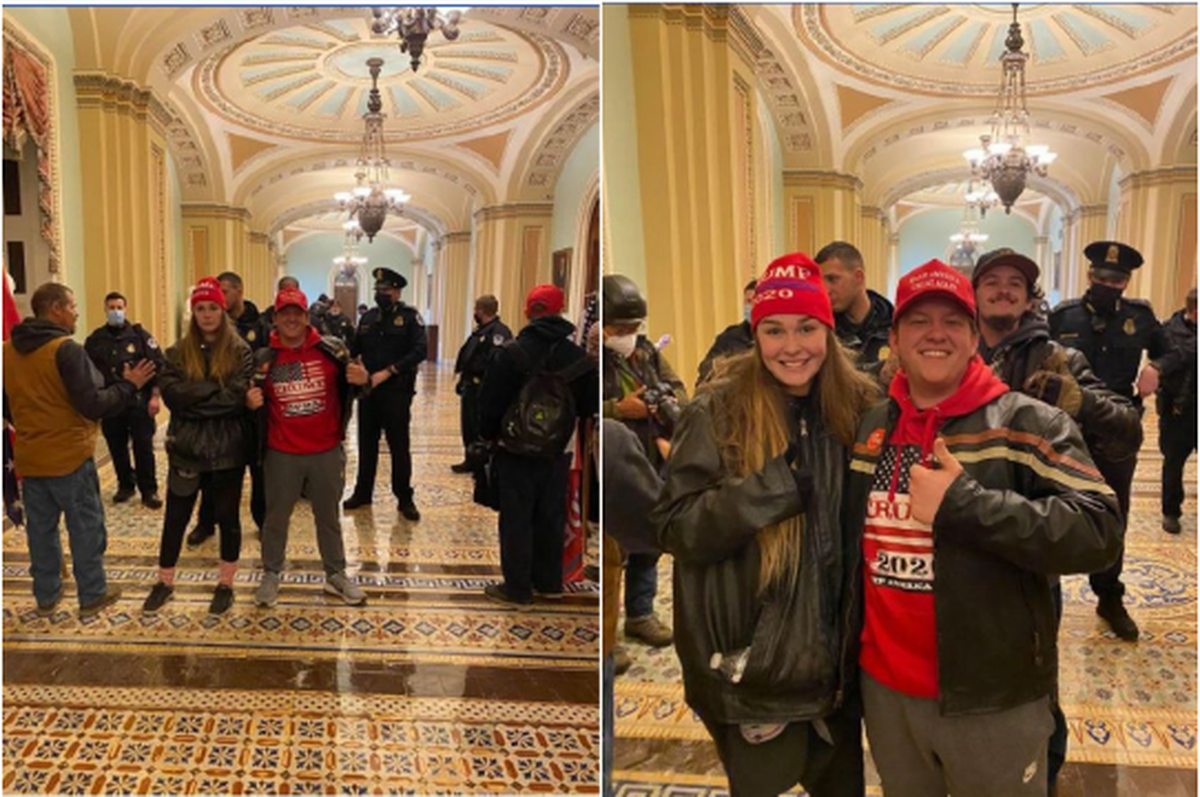
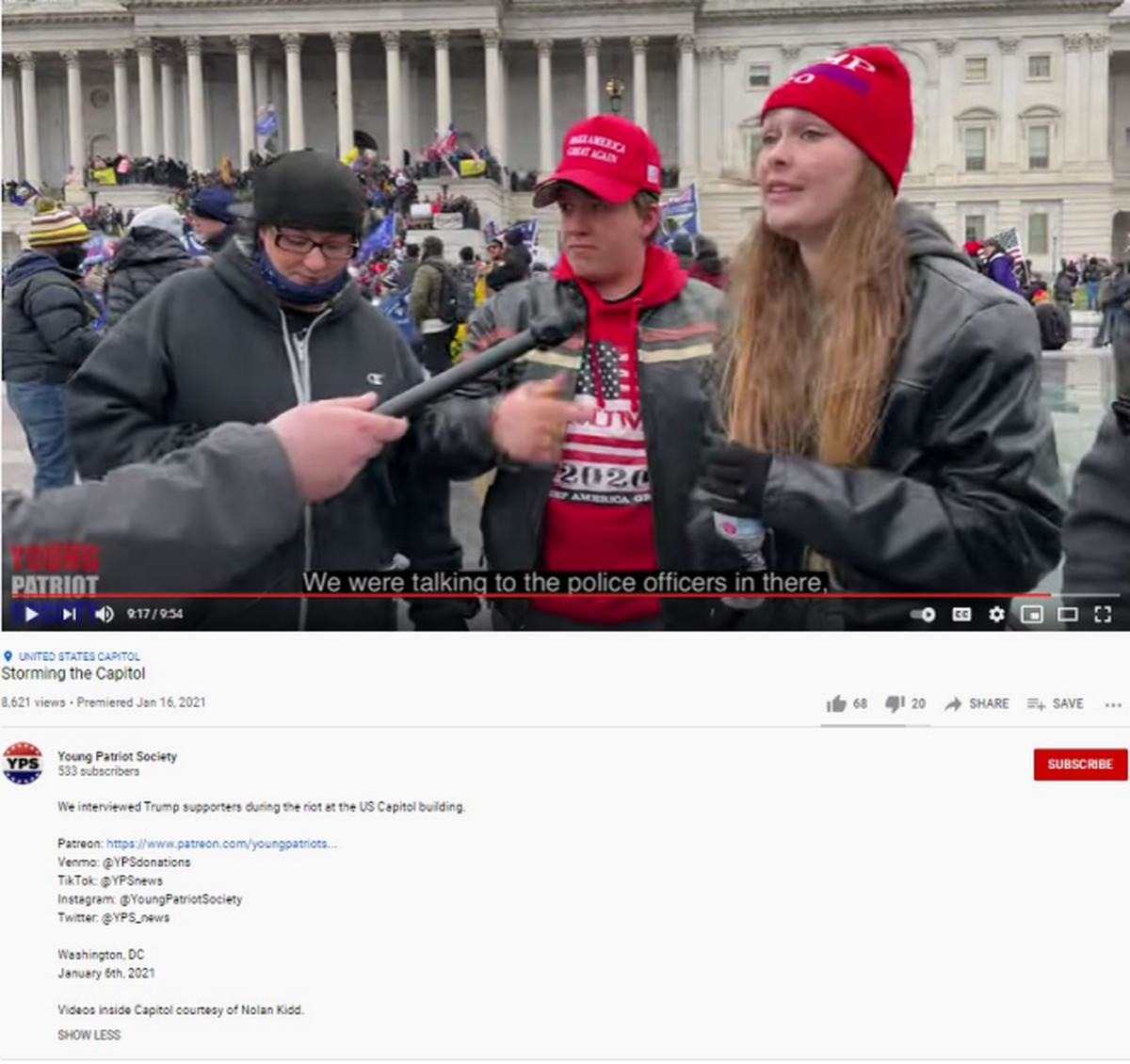
Savannah McDonald and Nolan Kidd, who were arrested in Macon in 2021 and later pleaded guilty to picketing in a Capitol building, have already served their sentences. The two had traveled to Washington, D.C., together the day before the riot, and there were photos from Kidd’s Facebook account showing him in the Capitol building, according to court records.
McDonald was sentenced to 21 days in jail while Kidd was sentenced to 45 days in jail. Both were ordered to pay $500 in restitution.
Forsyth man sentenced
Michael Bradley was indicted on Aug. 31, 2023, and later found guilty for his role in the Capitol breach. He was sentenced to five years in prison, to be followed by three years of supervised release, court records show. Bradley would also have to pay $2,000 in restitution.
It was unclear in court records whether Bradley would benefit from Trump’s order. Paul Enzinna, his attorney during his trial, did not respond to The Telegraph’s request for comment at the time of this publication.
He was indicted on one count of civil disorder, one count of assaulting officers with a dangerous weapon, one count of entering a restricted building with a dangerous weapon, one count of disorderly conduct, one count of engaging in physical violence in a restricted building, one count of disorderly conduct on Capitol grounds and one count of physical violence on Capitol grounds.
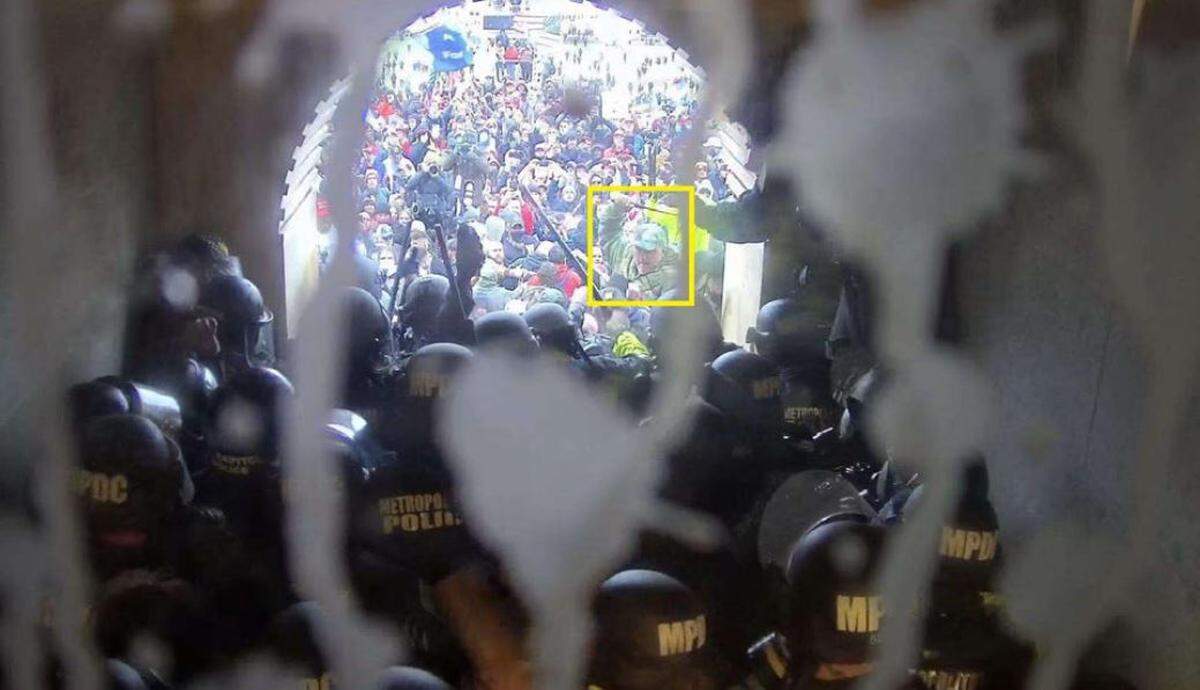
Court records say Bradley had a baton on his right hip and made his way toward the lower west terrace tunnel of the Capitol. Prosecutors said the location “was the site of some of the most violent attacks against law enforcement that day.”
He initially watched rioters smash windows and pull law enforcement into the crowd, according to evidence presented at his trial. Bradley raised his baton toward the officers, but was sprayed with a chemical agent and retreated temporarily.
But he returned a minute later, swinging his baton at least two times toward officers before leaving the lower west terrace.