
A Texas woman’s rape and murder at Macon’s largest hotel shook the city 30 years ago
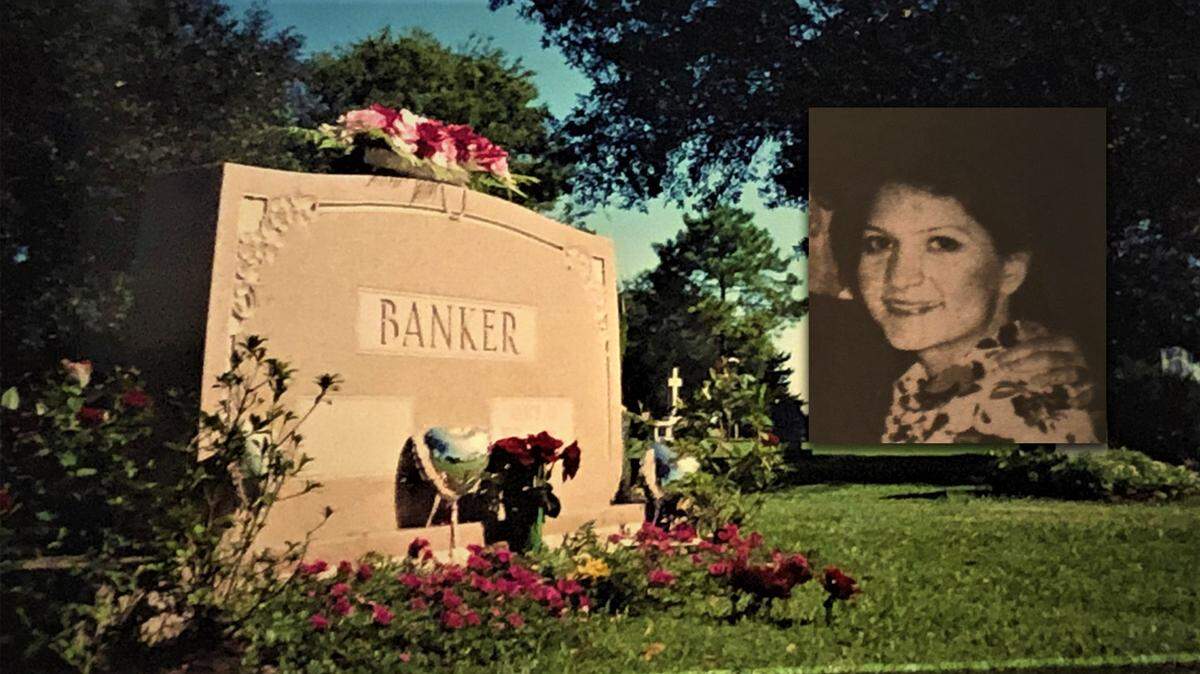
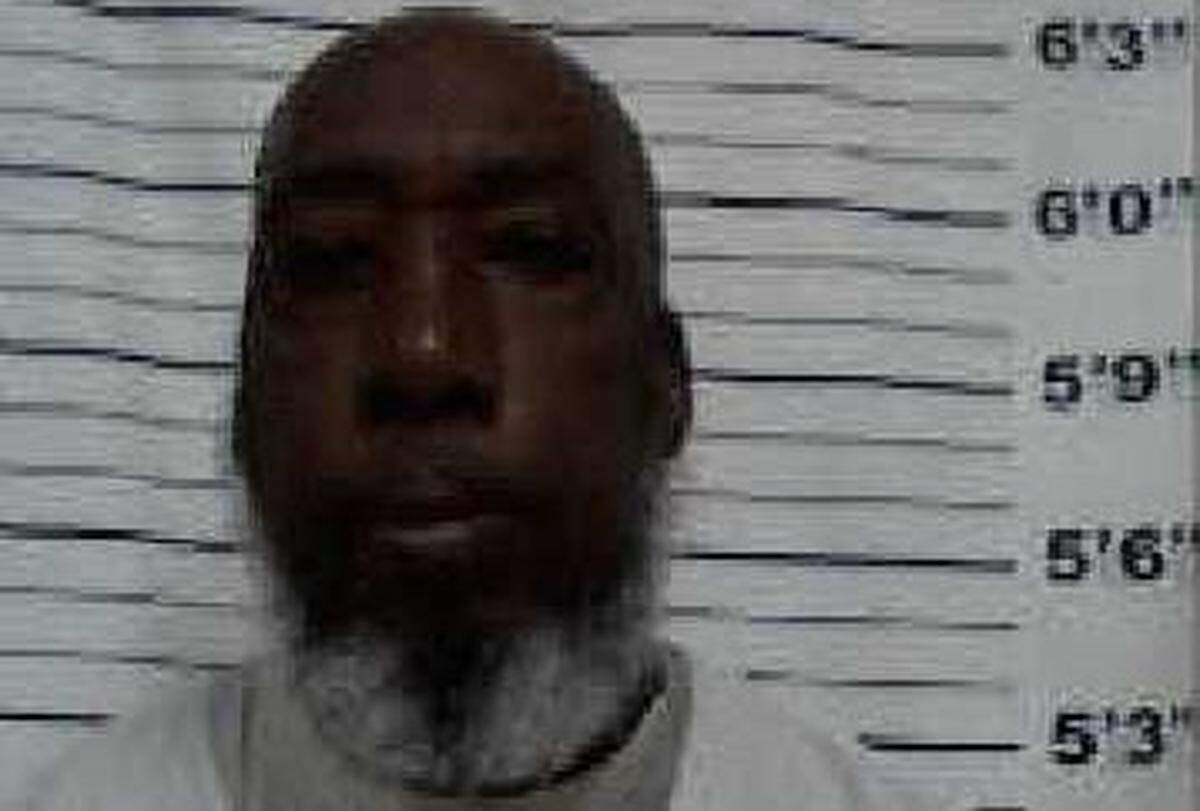
Editor’s note: A version of this story was originally published Oct. 6, 1991, in the months after Alice Banker, 29, a Houston, Texas, businesswoman, was murdered while on a work trip to Macon. An employee at the city’s Downtown Hotel on First Street at Riverside Drive, formerly the Hilton, forced his way into Banker’s ninth-floor room and killed her on May 15, 1991. Vincent Jerome Allen later pleaded guilty to murder and rape and was sentenced to life in prison. He is currently incarcerated at Coffee Correctional Facility east of Douglas.
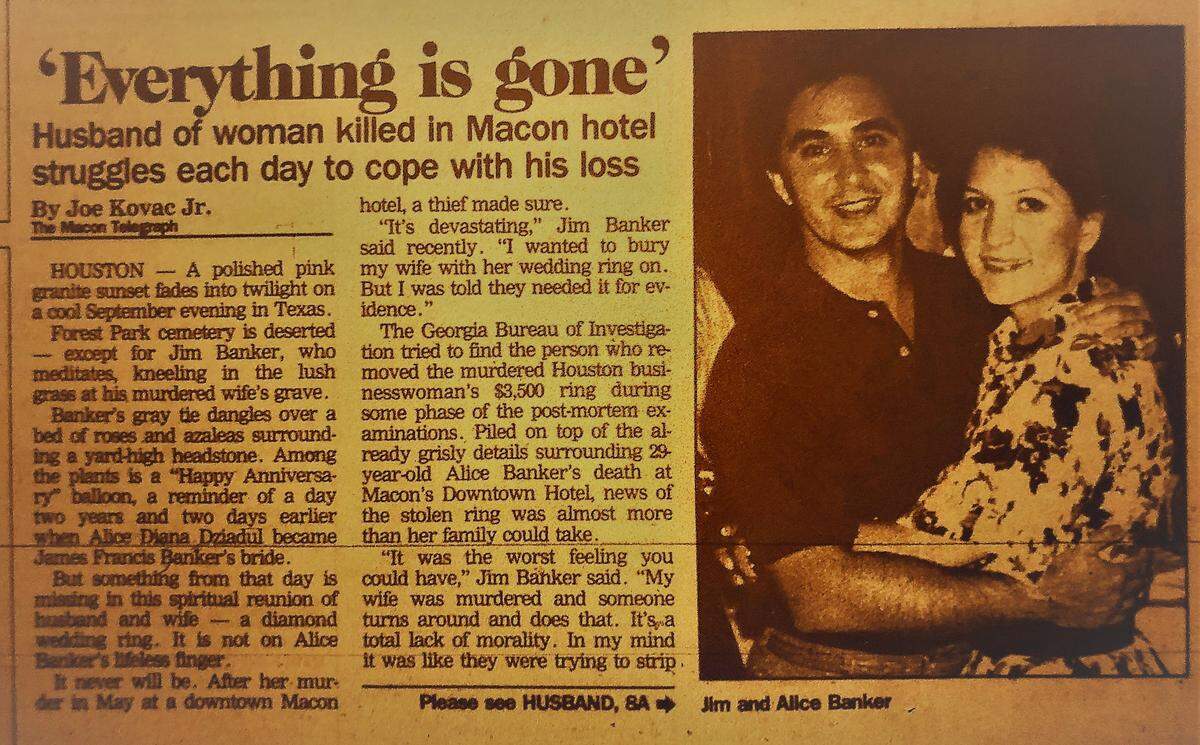
HOUSTON — A pink-granite sunset fades to twilight on a cool September evening in Texas.
Forest Park Cemetery is deserted except for Jim Banker, who meditates, kneeling in the grass at his murdered wife’s grave.
Banker’s gray tie dangles over a bed of roses and azaleas surrounding a yard-high headstone. Among the plants is a “Happy Anniversary” balloon, a token to a date two years and two days earlier when Alice Diana Dziadul became James Francis Banker’s bride. But something is missing from that day — a diamond wedding ring. It is not buried with Alice, on her finger where it belongs. It never will be. After her murder in May at a Macon hotel, a thief made sure of that.
”It’s devastating,” Jim says. “I wanted to bury my wife with her wedding ring on.”
The Georgia Bureau of Investigation tried to find the person who removed Alice’s ring during some phase of her body’s postmortem examination, but no charges were ever filed. That — coupled with the grim details of the 29-year-old Houston businesswoman’s death at Macon’s Downtown Hotel — was almost more than her family could stomach.
“It was the worst feeling you could have,” Jim says. “My wife was murdered and someone turns around and does that. It’s a total lack of morality. In my mind, it was like they were trying to strip Alice of what little dignity she had.”
Meanwhile, an accused killer is in jail. Vincent Jerome Allen Jr., a 31-year-old who worked at the hotel, is the man authorities say forced his way into Room 919, raped Alice and strangled her, leaving her crumpled face down over the edge of a bathtub.
There were suspects in the disappearance of her ring, but the district attorney said there wasn’t enough evidence to prosecute anyone for taking the ring and then hiding the 14-karat gold band inside her body. After an autopsy, the ring was found stuffed in Alice’s chest cavity, near her right collarbone.
The diamond solitaire, flanked by five smaller stones, was returned to Jim in July 1991, far too late for Alice’s funeral.
“I looked at the ring and there’s still blood stains behind every one of the stones. I’m sure they cleaned it as best they could, but there are still areas where you can see the blood,” says Jim, 31, who works as a credit analyst in Houston.
He gave the ring to Alice’s family.
‘Reality hits you’
The night before Jim’s sunset visit to Alice’s grave, he is home on Houston’s west side cleaning up the remains of a TV dinner. He is wearing Alice’s University of Texas T-shirt. The Dodgers-Padres game is on, but he isn’t paying it much attention.
Outside, a Texas-style thunderstorm has just rumbled through.
In the kitchen, the decor still bears a woman’s touch in the handmade pot holders Alice crafted. Her voice is also present. Sometimes anyway. She greets callers on the answering machine. Jim won’t erase the message.
“Sometimes,” he says, “it’s nice to call just to hear her.”
Upstairs, in the master bedroom of the two-story brick house the couple moved into nine months before Alice was killed, a memorial candle flickers. Alice’s clothes are still in the closet, but Jim rarely opens the door.
“It’s not something I want to go into too much,” he says.
It is going on midnight when Jim enters his dimly lit bedroom.
He can’t help sensing how empty it feels there now.
“Everything is gone,” he says. “I can’t say (my life) is actually getting any better. You just try to get more used to being lonely. Someone that you’ve spent so much time with ... and then they’re not there. You know someday you’re gonna die, and you almost can’t wait for that. The bottom line is when you go to bed you’re by yourself. Reality hits you again.”
Photos of Alice peer out from shelves all over the house.
Jim won’t put them away. They are all he has to mix with memories of the woman he fell in love with six years ago.
She was the third of six children born to a Polish-immigrant father and a Mexican mother. Alice earned dual bachelor’s degrees in four years at the University of Texas at Austin. Not long after graduating, she put her international-business and finance skills to work for Ford Motor Co., where she met Jim Banker.
“I’d been there a week, and we just started talking and went out together,” Jim says. “We were a lot alike.”
Devout Roman Catholics, they exercised, gardened and rode bicycles. Jim taught Alice to play golf. “She could hit every club 50 yards,” he says, laughing.
Once a month or so they made the six-hour drive west to visit Alice’s mother in Del Rio, five miles from the Rio Grande River, which separates Texas and Mexico. It is where Alice went to high school.
Frances Dziadul recalls that her daughter Alice was a dutiful student: “She was a very ambitious girl. She accomplished whatever she set out to do. She was always looking after her mommy.”
Back home in Houston, when Jim and Alice lived closer to town, they sometimes rode bikes to Astros games. Especially when fireballer Nolan Ryan was on the mound. They’d sit up high behind home plate and watch the pitches.
Jim and Alice came from divorced families. Jim’s parents broke up after 36 years of marriage. Alice’s folks split after 35. Those circumstances had some bearing on Jim and Alice’s courtship.
Jim, a Fort Lauderdale, Fla., native, wishes he and Alice had married sooner. But, then, Alice had wanted everything to be just right.
“She was a meticulous person,” Jim says.
It showed in her work.
Her ‘unmistakable laugh’
As a credit manager for Keystone Valve USA, Alice wasn’t shy about speaking her mind.
“She was a really dominant personality,” her best friend and co-worker Do Heitholt says. “You couldn’t catch her in anything less than a business suit. And she had the most beautiful, smooth olive skin. And she wore her makeup just right.”
Though the title was far from glamorous and a mouthful to boot, Alice had been elected chairwoman of the National Association of Credit Managers’ Waste Equipment Manufacturer’s Group.
After her death, co-workers at Keystone Valve compiled a memorial pamphlet. In it, company president Ed Holtgraver wrote that Alice’s “constant smile and potent chuckle would be sorely missed.”
Heitholt, Alice’s best friend, wrote: “I still imagine Alice in her office talking with a customer, lending a sympathetic ear or letting out her unmistakable, robust laugh.”
At 29, Alice was well on her way up in the company. She traveled the country to stay in touch with clients.
“She always seemed to be going somewhere,” Jim says. “That’s something I didn’t care for a lot.”
He drove her to the airport for the last time on May 11. It was a Saturday morning. Their tan retriever-shepherd mix, Shelby, went along for the ride.
It was the last time Jim saw Alice alive.
‘Absolutely devastated’
Alice’s final phone call home came the following Tuesday night.
She was in Atlanta.
It was Jim’s birthday.
But the next night there was no call.
“We talked a lot on the phone,” Jim says, “and that was one of the indications that there was a problem.”
Alice was dead.
That Wednesday, she had rented a car and driven to Macon for a meeting the next day with the folks at Bibb Supply Co., one of Keystone Valve’s customers. The Macon company had arranged her accommodations at Macon’s Downtown Hotel, formerly the Macon Hilton, on First Street.
Bibb Supply’s chairman, Willard McEachern, planned to talk business with Alice and take her to lunch at Beall’s 1860 restaurant on Thursday. She never made it to the meeting.
“She wouldn’t have been here had it not been for us,” McEachern says.
When he heard Alice had been killed, he says, “I was absolutely devastated.”
Though Jim wasn’t familiar with Macon, he did have a connection to the city.
One of his high school football teammates and close friends played professional baseball here.
Pedro LaTorre was in the Macon Redbirds’ lineup the night in 1983 when Vince Coleman broke the single-season minor league stolen-base record.
“I don’t think Macon is a bad city,” Jim says.
The police force’s chief of detectives, he says, “treated us like family” when Jim arrived in the wake of Alice’s slaying.
“It was real nice that you had people that cared,” Jim says. “It wasn’t an act with them; they meant it sincerely.”
Now Jim wonders what it will be like returning for a trial if there is one.
“I’ve got to prepare myself,” he says. “It’s all gonna be right there, isn’t it?”
He will likely listen to a how his 5-foot-2-inch, 118-pound wife fought for her life, how in her hotel room there were magazines and office papers slung everywhere, how Alice’s hands were caught up in her green dress.
“Do you think somebody that did this realizes all the grief, all the pain?” Jim says. “It’s unbelievable. Unbelievable.”
A cemetery visit
When Jim first learned of the horrors Alice endured, he says, “I just kept going through it in my mind.”
Nearly five months later, he still is.
“Work makes it a little easier to deal with sometimes,” he says after work on a recent evening in his 16th-floor office in Houston. “But nothing I do is real. We sit down with a few loan papers and make a decision for a company.”
He turns and stares out the window.
“Reality,” Jim says, “Is out there.”
Dusk looms. There is just time to make it to the cemetery.
On the way, he talks about Alice.
The radio in his 1988 Mustang stays locked on an AM-talk station. For him, music stirs too many emotions.
Jim describes Alice’s wedding ring and mentions how they shopped for weeks to find it.
“To me,” he says, “it had to be paid for. I would never give her something financed, saying, ‘It’s yours, honey, in 20 or more payments.’”
His trips to the cemetery three or four times a week help Jim cope.
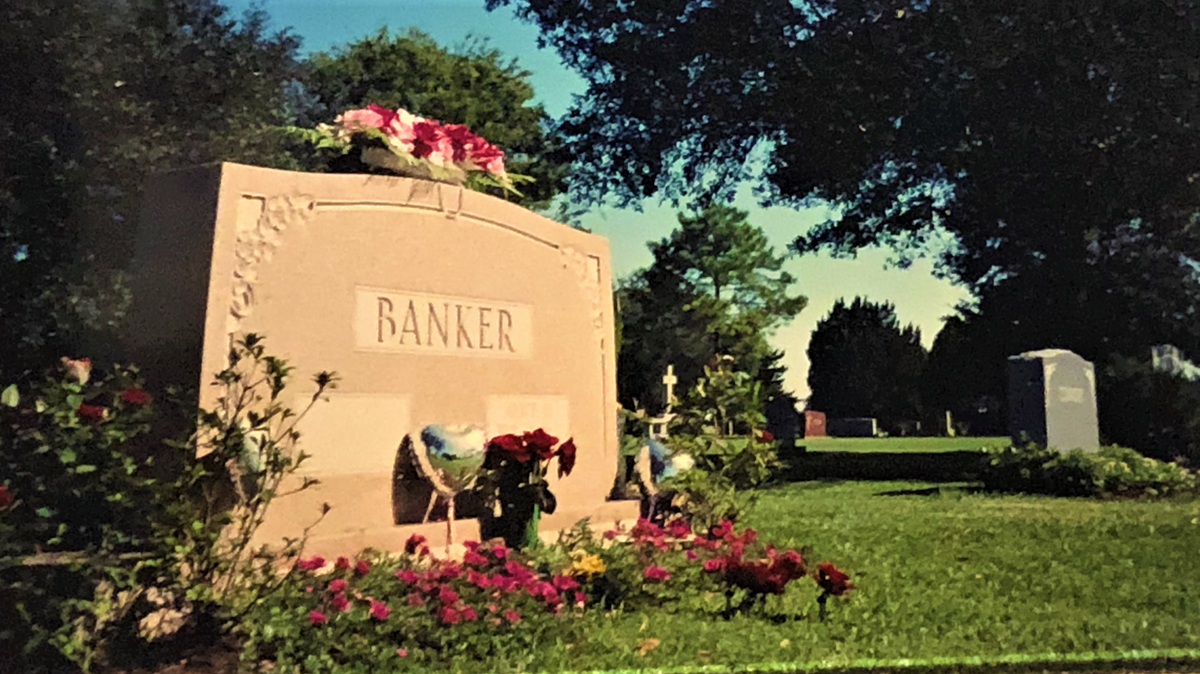
Standing at Alice’s grave Jim says, “I almost feel at home.”
It is getting dark as he crouches and plucks dried oak leaves from the burial plot.
Overhead, a single-engine plane throbs by. Jim doesn’t look up. His eyes are on the ground.
He spots a vase of fresh flowers at the base of Alice’s headstone. Her cousins have left it as an anniversary gift. An attached note reads: “Sept. 23, 1989 — We will always remember this day with love, happiness and laughter. We love you, and always think of you.”
As night falls, Jim heads for his car.
He doesn’t look back, but behind him, in the fading light, you can just make out the epitaph on Alice’s Georgia-granite headstone: “Now twilight lets her curtain down and pins it with a star.”
Jim Banker says good night.
This story was originally published March 25, 2021 at 5:00 AM.