
She went to Macon’s new mall in 1972 and vanished. The case has never been solved.
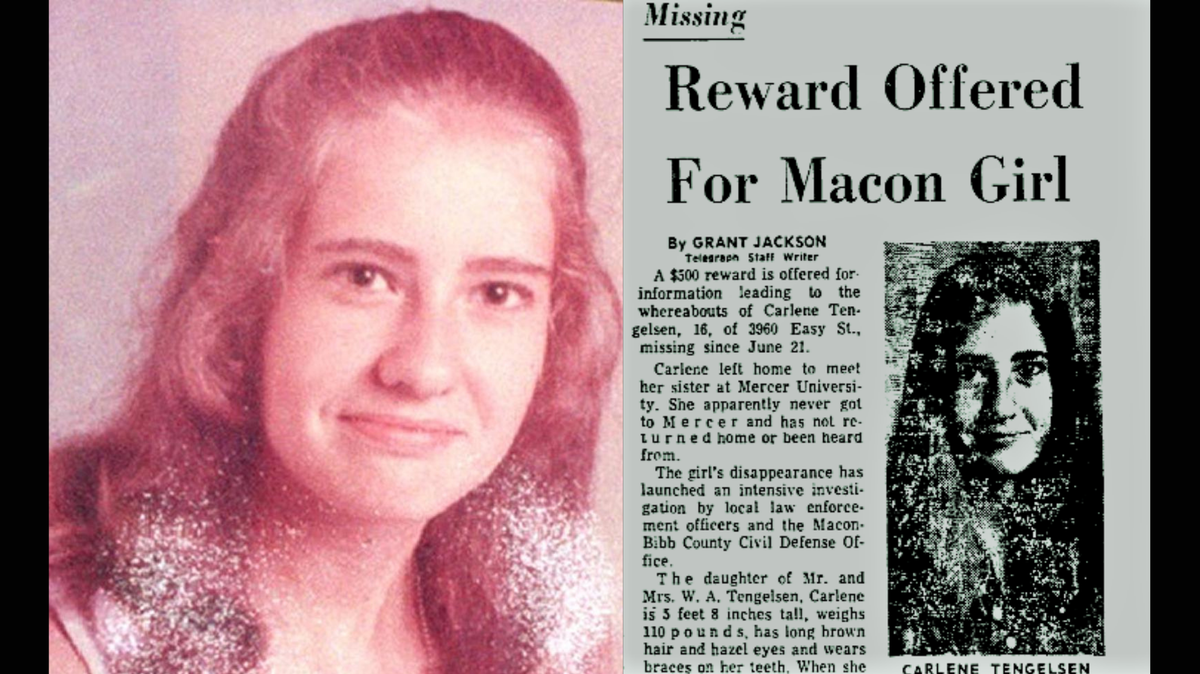
Editor’s note: On June 21, 1972, a 16-year-old girl named Carlene Tengelsen drove alone in her family’s station wagon to browse around Macon’s Westgate Shopping Center, the region’s first indoor mall. Carlene was a rising junior at Southwest High. It was her first time driving anywhere by herself. The station wagon surfaced later that night at the mall, but Carlene never did. Macon police turned up nothing, not a trace. Now nearly half a century later, her vanishing remains unsolved. Her mother Joan Tengelsen died in 2016 at age 83. But seven years earlier, when she was 76, she granted Telegraph reporter Joe Kovac Jr. an in-depth interview. That interview — woven into an in-her-own-words, first-person reflection on the heartache of losing a child in a disappearance — appeared in The Telegraph and on macon.com Aug. 9, 2009. In it, Joan described how she and her family had for decades wrestled with the unknowns of what happened to Carlene. Joan’s words appear below:
In the first hours, you think of everything.
As a mom, you think of every single thing that could happen to a young, beautiful girl. The most horrible thing you could think of, you’ve thought about it. You’re praying that it’s not happening.
That takes a while to get out of your mind. I slept in my clothes for six weeks.
I’d get my shower and everything, but I always wanted to be ready, so that if I ever got a phone call I would be ready to go.
You kind of reach at straws.
There were times when I would think I heard somebody in a car throw her out on the lawn. People behind Westgate had said they heard screams. I thought about that a lot, too.
It’s unimaginable. You hear about it and you think it’s never gonna happen to me. Then all of a sudden, whammo, it does. You find out a lot about yourself.
I felt so guilty. I’d think, Why did I let Carlene go to Westgate?
.jpeg "FullSizeRender (38).jpeg")
You find out that you’re not in control like you think you are. It’s what you do with learning these things that determines how you’re going to come out of it.
I was 39 when she went missing. I’m 76 now.
‘I wanted to call the FBI’
It was June 21, a Wednesday.
Joanette, my youngest daughter, who was 14 at the time, was at a summer camp at Mercer that day. Carlene was gonna pick her up.
After we had lunch, Carlene said, “Can I go to the mall?”
I said, “Yeah,” so long as she agreed to go by and pick up Joanette later that afternoon.
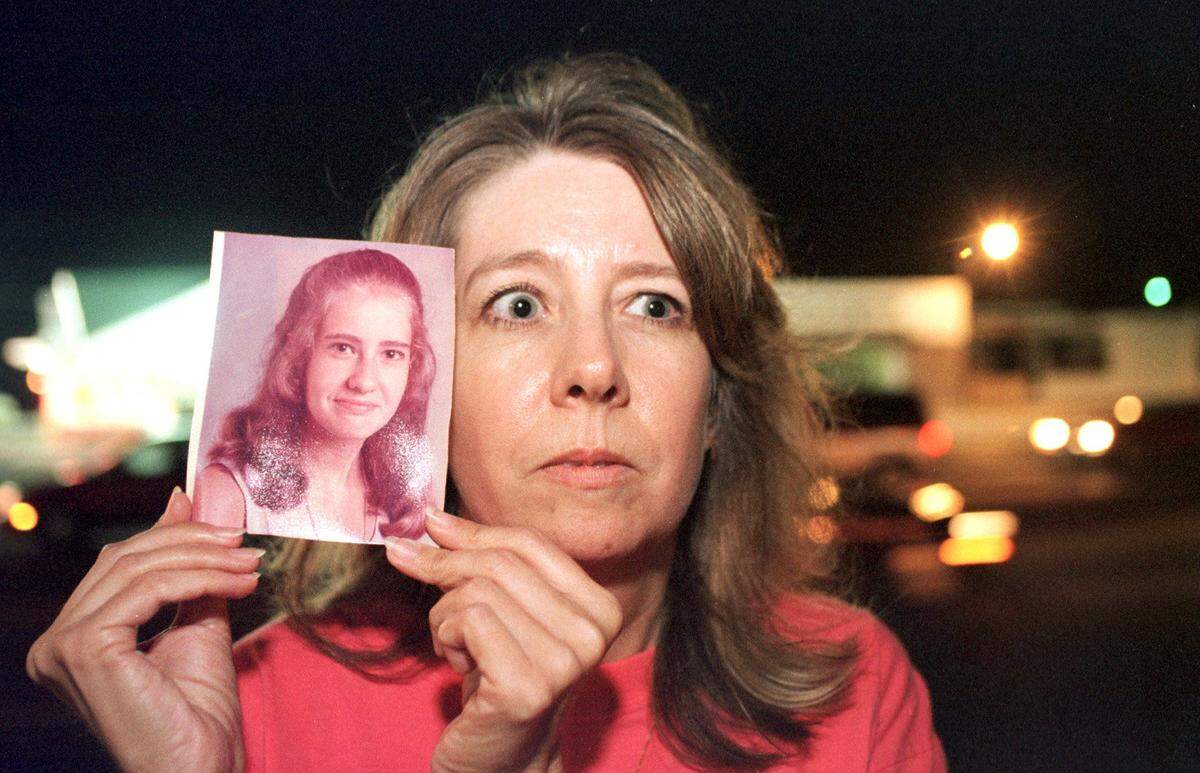
Carlene had asked her younger brother, Tom, if he wanted to go, but he wanted to stay home and play. And my oldest, Arnelle, who was 18, had rollers in her hair. I taught my girls that you don’t go out of the house with your hair rolled up. So Carlene went by herself.
Sometime after four that afternoon, Joanette called and said Carlene hadn’t come. That began the whole deal.
We called the police, but they said they couldn’t do anything for 24 hours. Of course, I wanted to call the FBI. I wanted to call everybody.
My husband, who oversaw a chain of fabric stores, always called me from the road on Wednesday nights. I knew if I spoke to him I’d just go hysterical, because I was pretty close to it already. He was down in Florida at one of his stores. Some of our friends were home with me and when he called, one of them answered the phone and told him Carlene was missing. He headed home immediately.
‘Married in 1953’
When my father was in the Army in World War II and Korea, we lived here, there and yon.
As a child, I went to 16 different schools. Macon is really the only home that I have known.
I went to high school in Florida and then on to the University of Miami. That’s where I met Ting. I had just turned 20.
Ting — that was his nickname, which was short for his last name, Tengelsen — was eight years older than me.
He had been in the service before going to school. His parents were Norwegian. His father was a commercial fisherman in Connecticut.
He gave me my engagement ring on my birthday at one of his fraternity dances. It was our second date.
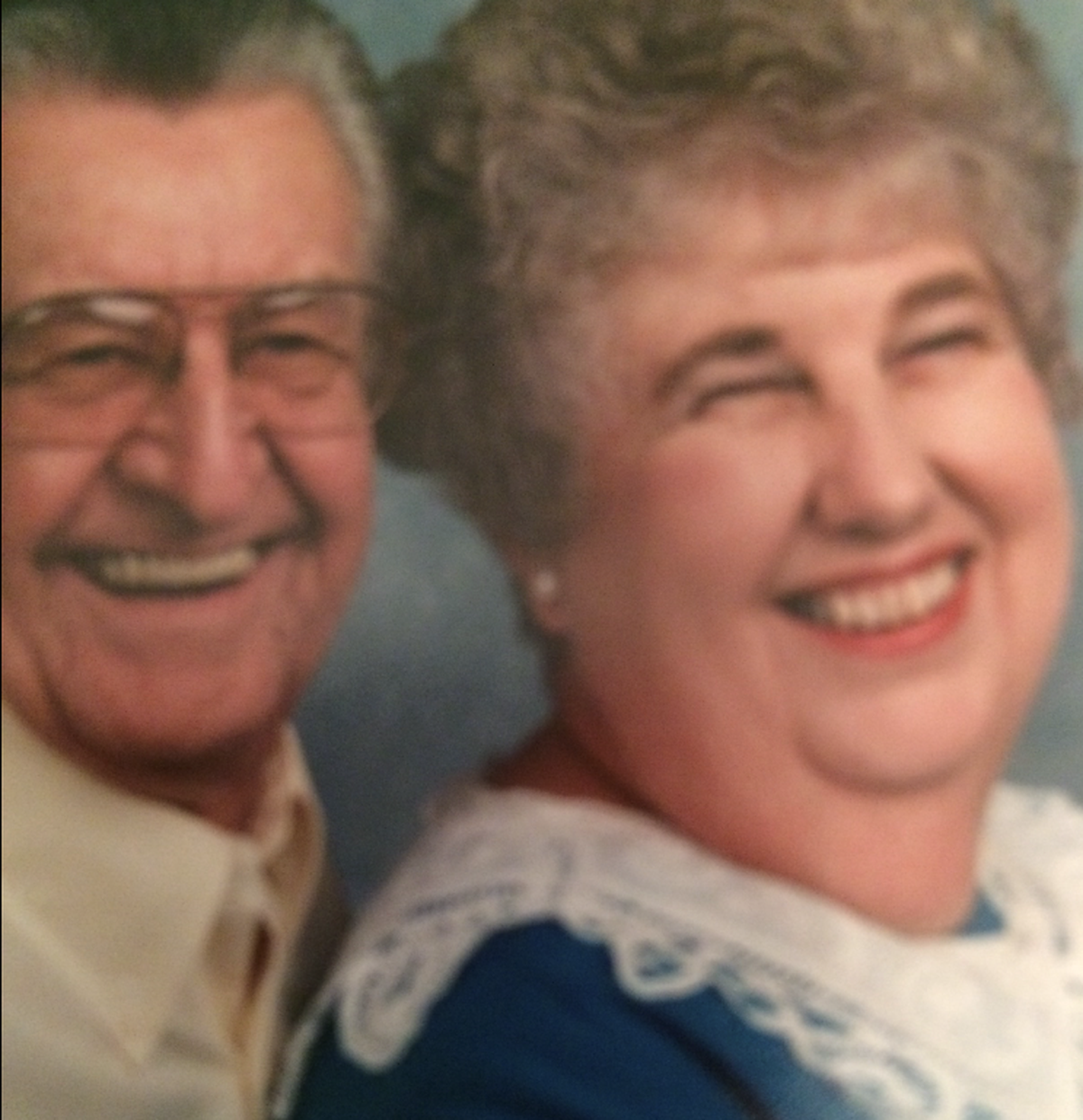
He was the president of his fraternity and that night he had to give a speech. I thought he was nervous because of that.
Of course, everybody else knew what he was going to do.
So he spoke and then we went outside to the pool. That’s when he pulled the ring out of his pocket.
We got married in 1953 and moved around a good bit.
We lived in Augusta a little while before we moved our family of six to Macon in 1966. Ting was working for the fabric-store chain. They wanted him to come here and get a store fixed up. I was 33.
he real estate lady was showing us all these homes in Wesleyan and all these big places. It was unreal. I always told Ting that I never wanted a house to own me.
So finally the real estate lady said, “Well, I’ve got this house.” But she wouldn’t tell us the name of the street. So we go. We’re going down Log Cabin Drive and we turn into the neighborhood and I said, “Ting, did you see the name of the street?”
I said, “This is gonna be the house. Easy Street, can you believe this?”
We had a good laugh.
‘They scoured Macon’
We lived on Easy Street when Carlene disappeared.
I wouldn’t leave the house.
I wanted to be by the phone if she called.
We had so many teenagers that wanted to help. We got rolls and rolls of dimes so they could go out and use public phones.
I was the command center. They would call in. They looked everywhere. They scoured Macon.
It was on TV. They showed a family picture. When they put out that there was a reward, we heard from all the kooks.
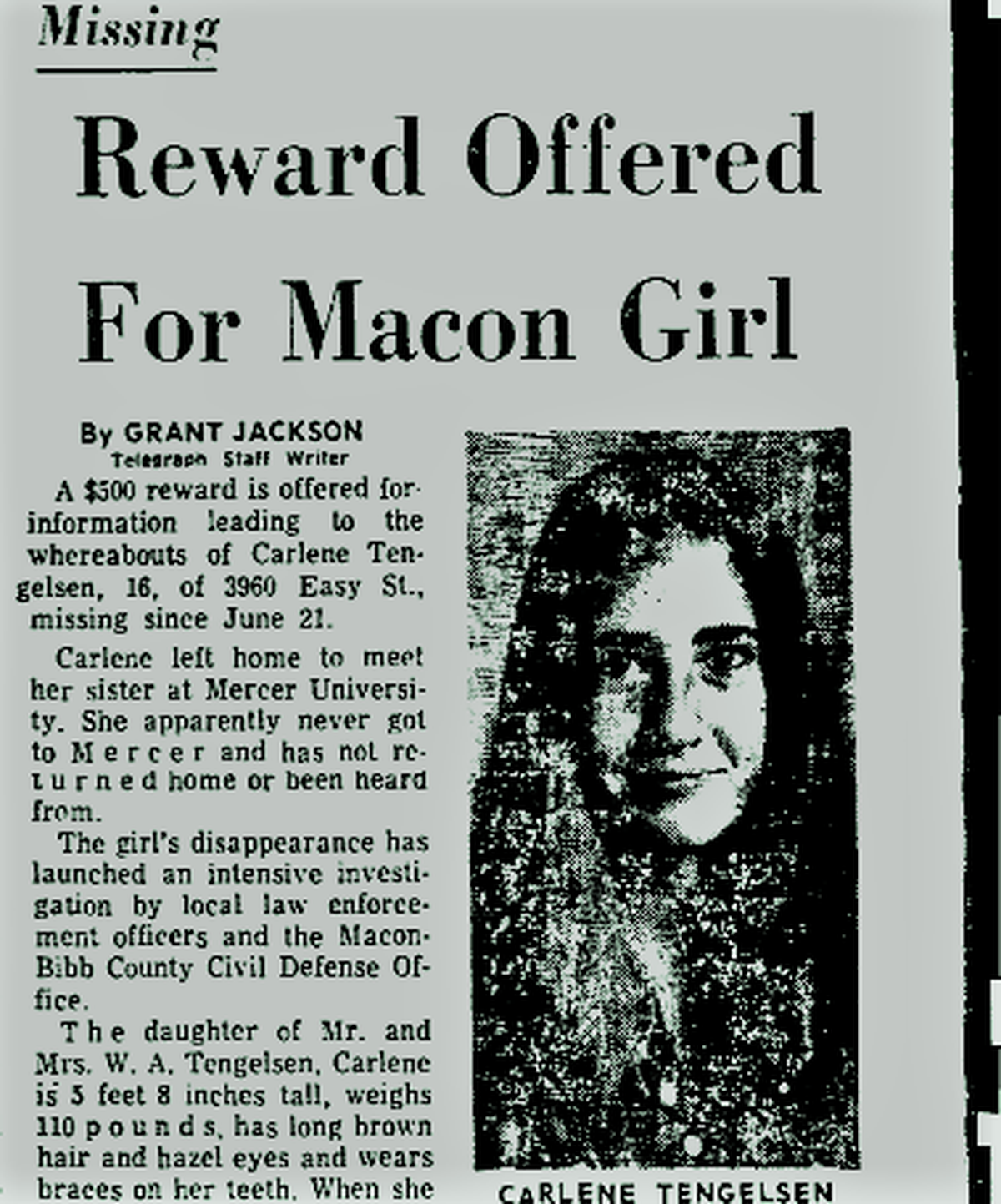
Ting was home for about six weeks, helping with the searches. Everywhere he went, he passed out fliers. But then he had to go back to work.
After that, if a body came up in the news, I would go right into that and wonder if it was a female.
I tried to keep everything away from our other three children because we didn’t want them hurt. It was probably the wrong thing to do. But at the time, we thought we were doing the right thing. You want to draw your children in. You want to keep them right underneath your wing.
But you can’t do that. You don’t want to smother them, but you really do want to smother them.
‘She was a card’
Carlene will always look like a 16-year-old to me.
She was the warrior of the family.
She was 5-9, tall and willowy. She had a wave in her hair like I did. She had a chipped front tooth like I did. She had a small mole on her left cheek — her beauty mark, she said.
She was a card.
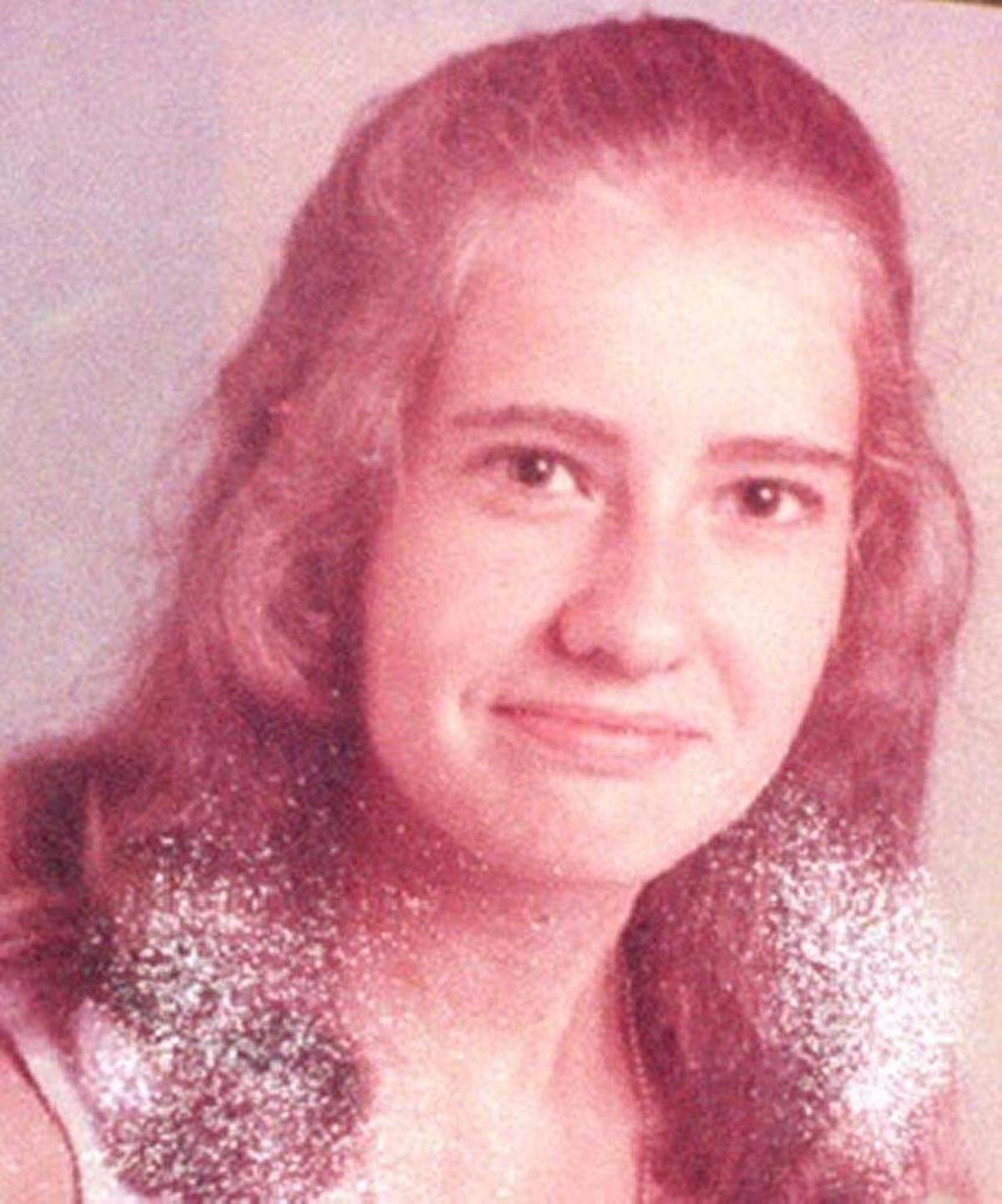
Her younger brother, Tom, was very small for his age and some of the boys in the neighborhood would pick on him sometimes. If she heard about it, she took care of it. He would start yelling for Carlene and she would come running. She wanted to be a mother.
She was sensitive to other people’s hurts. She probably would have been a good, courageous person.
She loved languages. She was planning to take Russian. As a little girl, she would get the dictionary out and look up a word that no one used. She’d put it on her bulletin board, and that whole week we had to listen to her saying it.
Near the end of her 10th-grade year, right before she disappeared, one of her teachers had tried to throw out how, not that there wasn’t a God, but did you believe in all the things spoken about God. That really bothered Carlene.
She put a lot of questions to me. She wanted to know if I believed every single thing in the Bible. I told her I did — every period, comma, the whole works.
Then she’d say, “Well, do you believe, like, Jonah and the whale?”
I said, “Yes, I do.”
She’d question me about all these different things.
A few days later she came back and she said, “Mom, you’re right. I believe those things, too.”
‘A soothing time’
Ting traveled for 10 or so years.
He was providing and he was providing well.
I had to be more or less the mother and the daddy. One year he gave me a ring for Father’s Day.
He used to take a cassette recorder with him on the road. He would talk to us on the tape. Then when he came home, he’d leave the cassette and get another one. The kids would love listening to him talk. He’d make little comments to all four of them.
We were married a couple of months shy of 51 years.
On our 50th anniversary, in 2003, we knew the kids would want to do something for us. So we had all of them go to church with us. We had cake and pizza afterward.
Ting died less than a year later.
As we’d gotten older, we talked to one another about Carlene. Sometimes late at night. It was a soothing time.
You learn a lot about your mate with something like that. Too often, people can’t cope and divorce comes up. With our situation, we grew even closer.
‘A nightmare’
Eventually you begin to come alive again.
Then sometimes you’ll think you’re doing real good, and then some little thing — somebody will say something or you’ll see something on TV, or a song — and all of a sudden you’ll go to pieces. You’ll think, I’m not so far along as I thought.
For a while, you think you’ll go crazy. But then you’ve got to pull up your bootstraps and say, “Lord, I can’t handle this. It’s beyond me. You’re gonna have to help.”
It’s a nightmare that you wake up from, but you never know why you had that nightmare or why it didn’t end.
If you don’t believe in God and you go through something like this, I don’t know how anyone could. They would have a bitterness. And I have never been bitter.
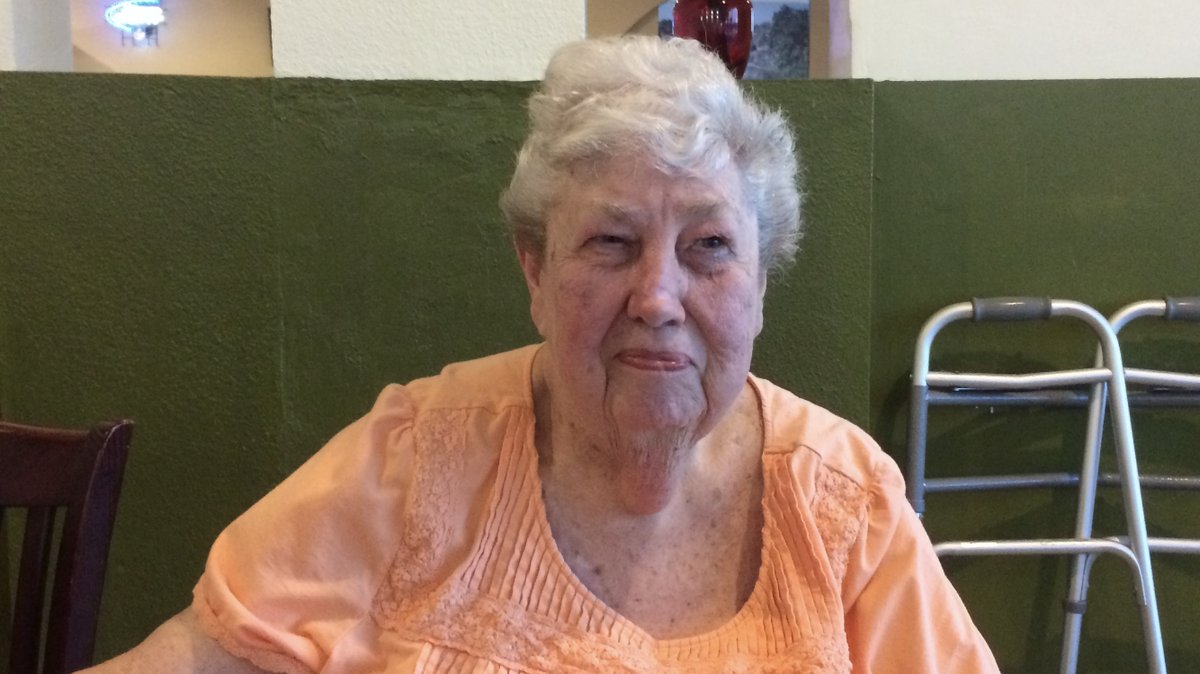
You do have that guilt, though. You feel like if you hadn’t let her go to the mall that it wouldn’t have happened.
You have to let that go. It takes a while to do that. It took me quite a while. I knew God had forgiven, but I couldn’t forgive myself.
It might seem hard to understand, but I don’t think I ever questioned why it happened. Maybe I did in my mind, but I don’t think I did out loud. There is nothing I can do about it, so I go on forward.
I thank the Lord that you do not know what is going to happen in your life before it happens. If you did, you’d just live in a miserable mess.
‘Hell and back’
If she had gone missing now, it would be very different.
Now they have the alert, the Amber Alert. They have Nancy Grace. If you can get ahold of her, she’ll put you on for months on end. With the news the way it is today, It’s so entirely different.
Anytime I see it on the news that a child is missing, I pray for that family. I always pray, “Please let the child be alive.”
I feel a kinship with them because I know the hell that they’re gonna go through. Because it is hell and back.
It’s something so horrible that you really can’t express it. There are no words to really express it. It is something I would never want anyone else to have to go through. It’s not like death, because with death it’s right there and you see it. But with this, it’s ... you have nothing.
If I could say something to the person who took her, I would probably ask them why. And then I would tell them that I forgive them.
Now I couldn’t have said that 37 years ago. I wasn’t the Christian I am now.
‘Peace ever since’
My grandkids call me “Meme.”
I look at them and wonder what children Carlene would have had, what grandchildren I would have had from her.
On Mother’s Day back in 2003, my son, Tom, wrote me a note. He came to see me and he put the note on my chair when he left.
At the time, I’d been struggling with Carlene being gone, with my guilt.
The note said, “Carlene wouldn’t want you to suffer like you’re suffering.”
I’ve had peace ever since.

Tom had also given me a shiny, framed print of an angel. He said it reminded him of Carlene. I keep it on a shelf right across from where I sit in the living room. It glows in the light. That angel means a lot to me. It sparkles.
Even though I feel like Ting met Carlene in heaven, there is still that little smidgen of hope. You know, that maybe somehow she’s still here. You don’t ever want to let go of that little bit of hope.
When we get together as a family these days, one of us always seems to come up with some Carlene story the rest of us had forgotten.
You would never have thought it would turn out this way.
We can talk about her and be happy.
And have new memories still.
Epilogue: As a result of this story and an earlier 1999 Telegraph examination of Carlene’s disappearance — which was never fully investigated by the police the way it would have been today — Carlene’s family’s DNA was entered into a national database in case so that it can be matched if her remains are ever found. Her disappearance, which otherwise would have fallen through the cracks, is also now included in Bibb County’s cold-case files.