
‘I’m an innocent man.’ Convicted Macon killer sent away for life could walk free
The night an assault-rifle attack killed Gwendolyn Cole and left her east Macon home “swiss-cheesed” — as one suspect was alleged to have put it, like “something out of Baghdad” — the police collected 72 spent shell casings from around her yard.
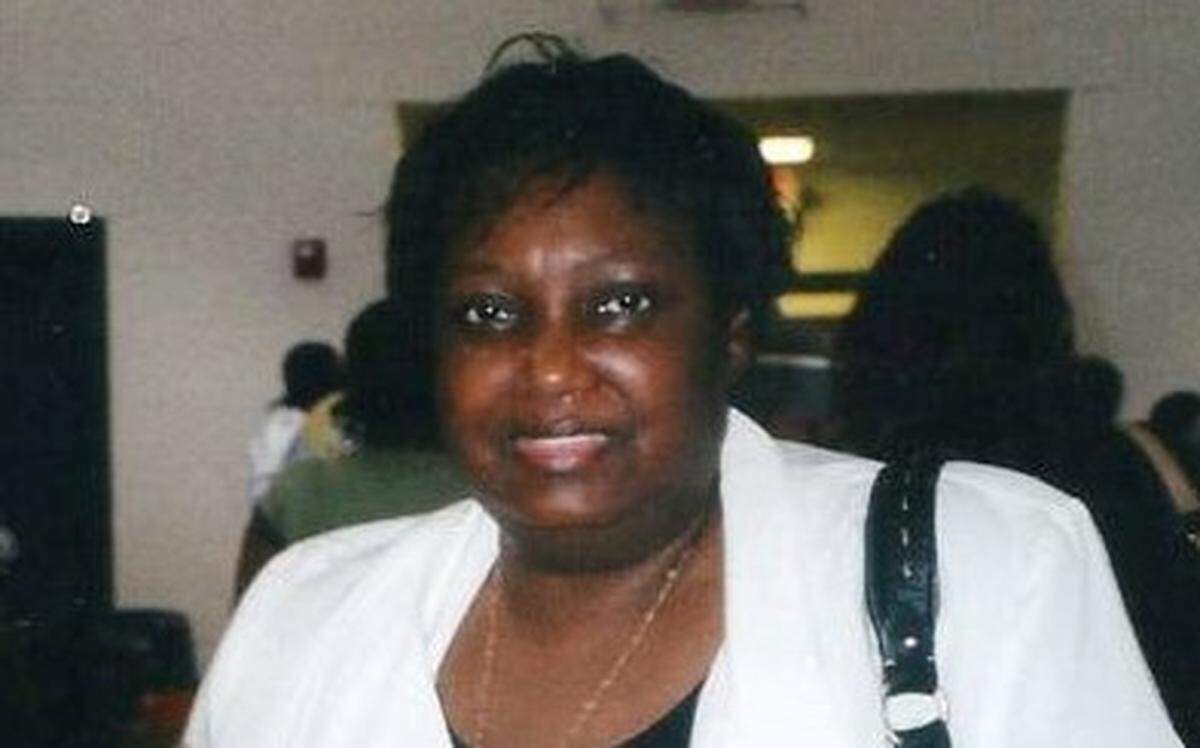
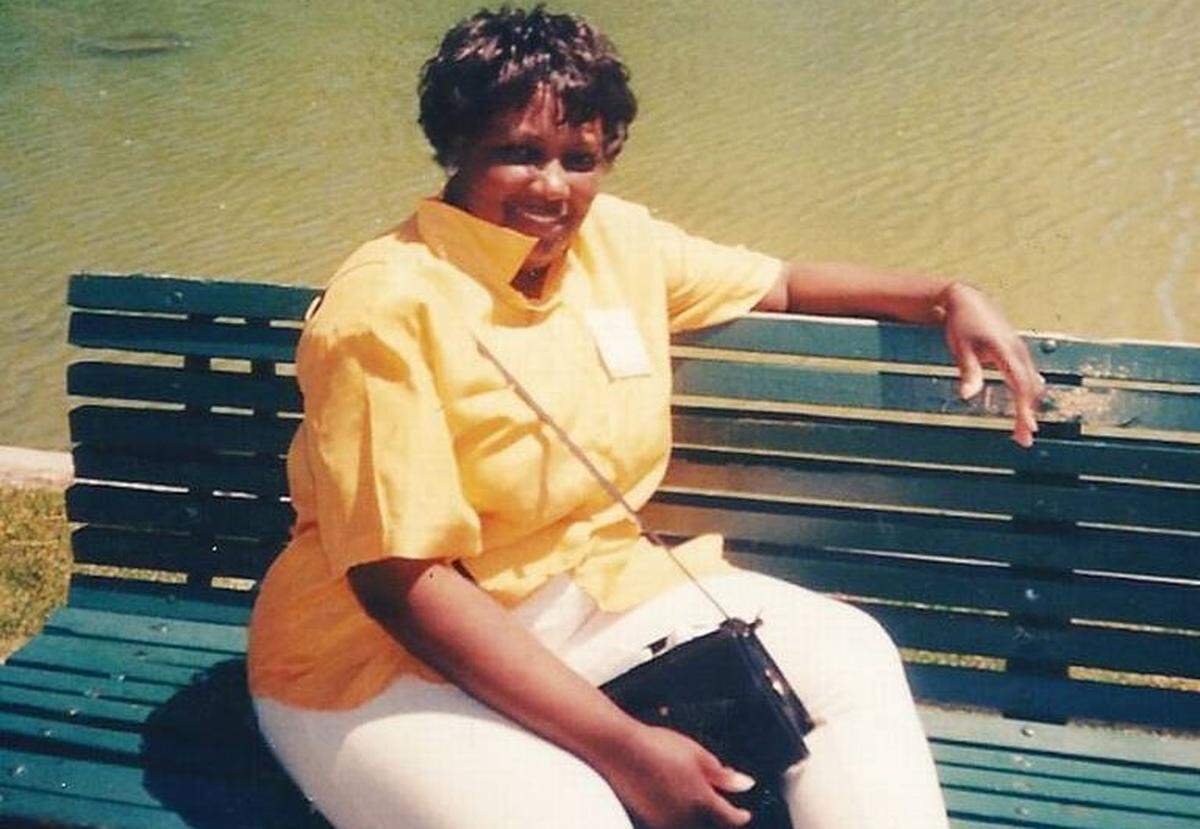
Cole, a 55-year-old widow and former nursing home dietitian who tended to elderly neighbors and was known for her sweet-potato pies, was a casualty in a violent, running feud between her son and men he had a falling out with, prosecutors would later contend.
At least two of the guys, according to prosecutors, had shown up at Cole’s door the night of Feb. 4, 2008, and asked if her son was there. He wasn’t, and Cole told the visitors, whoever they were, to leave.
But they didn’t go away, and soon a fusillade of bullets ripped through her Bradstone Circle home not far from Millerfield Road. She died the next morning.
Eight years later, in November 2016 after a seven-day trial in Bibb County Superior Court, one of her accused killers — Benjamin Leron Finney, who was 39 at the time — was found guilty of murder and aggravated assault. He was sentenced to life in prison, a mandatory 30 years before he can become eligible for parole.
Last year, Finney appealed his conviction to the Georgia Supreme Court on grounds that jurors heard evidence and testimony at trial that should not have been allowed.
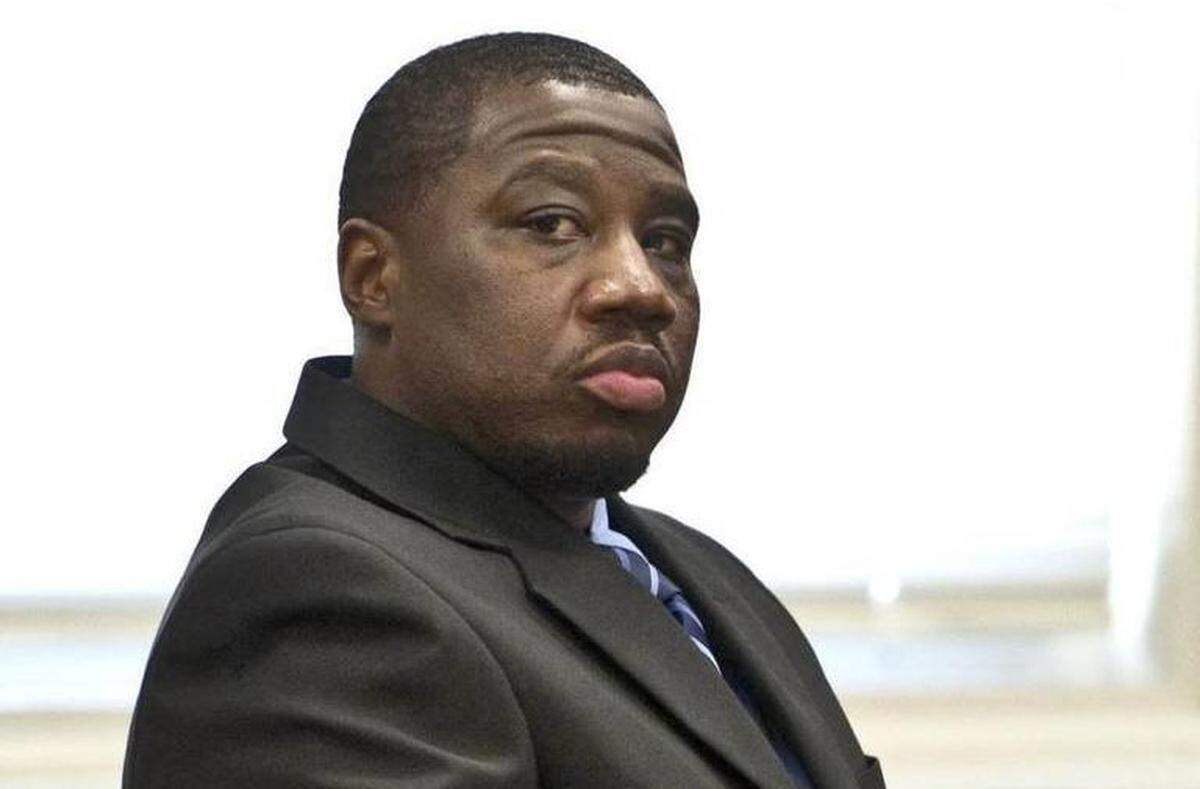
In a ruling earlier this month on March 1, the state’s high court agreed, reversing Finney’s conviction on the day before his 44th birthday.
Presiding Justice David E. Nahmias wrote that “the trial court erred by admitting hearsay from an accomplice, plainly erred by failing to give a jury instruction on the accomplice-corroboration requirement, and erred by admitting evidence of (Finney’s) involvement in two prior shootings.”
The ruling went on to say “the cumulative effect of these errors likely affected the outcome” of Finney’s trial.

Finney in recent days was still being held at a state prison in Alamo, about 25 miles south of Dublin. He could soon be moved to the Bibb jail where the pretrial process would, in essence, reset.
He could seek bond or remain in the county lockup until, depending what prosecutors here decide, he is tried again, offered a plea deal or sees the case dismissed.
Bibb District Attorney’s spokeswoman Keisha Carter said “the case is back in our office and we are reviewing it but we don’t have any further comment at this time.”
‘I’m an innocent man’
On Nov. 9, 2016, the day after Benjamin Finney was convicted, he stood before Judge Edgar W. Ennis Jr. and said the jury was mistaken.
“I’m an innocent man,” Finney told the courtroom where Cole’s family had shared remembrances and spoken of the heartache her death caused. “I hope y’all have mercy on me.”
The state supreme court’s ruling does not exonerate Finney.
The 40-page decision mentions as much, noting:
There is no question that the evidence of (Finney’s) guilt was legally sufficient when all of the evidence is viewed in the light most favorable to the prosecution, and the evidence was not weak even when weighed as we would expect ... reasonable jurors to have considered it. But the properly admitted evidence was far from overwhelming.
Finney’s co-defendant in the Cole slaying, a man named Marlon Shurell Jackson, pleaded guilty to voluntary manslaughter a month after Finney was convicted of murder. Jackson was sentenced to 20 years, 12 of them behind bars.
In sentencing Jackson, the judge characterized Jackson’s role in the killing as part of “the most heinous conduct I’ve ever been exposed to.”
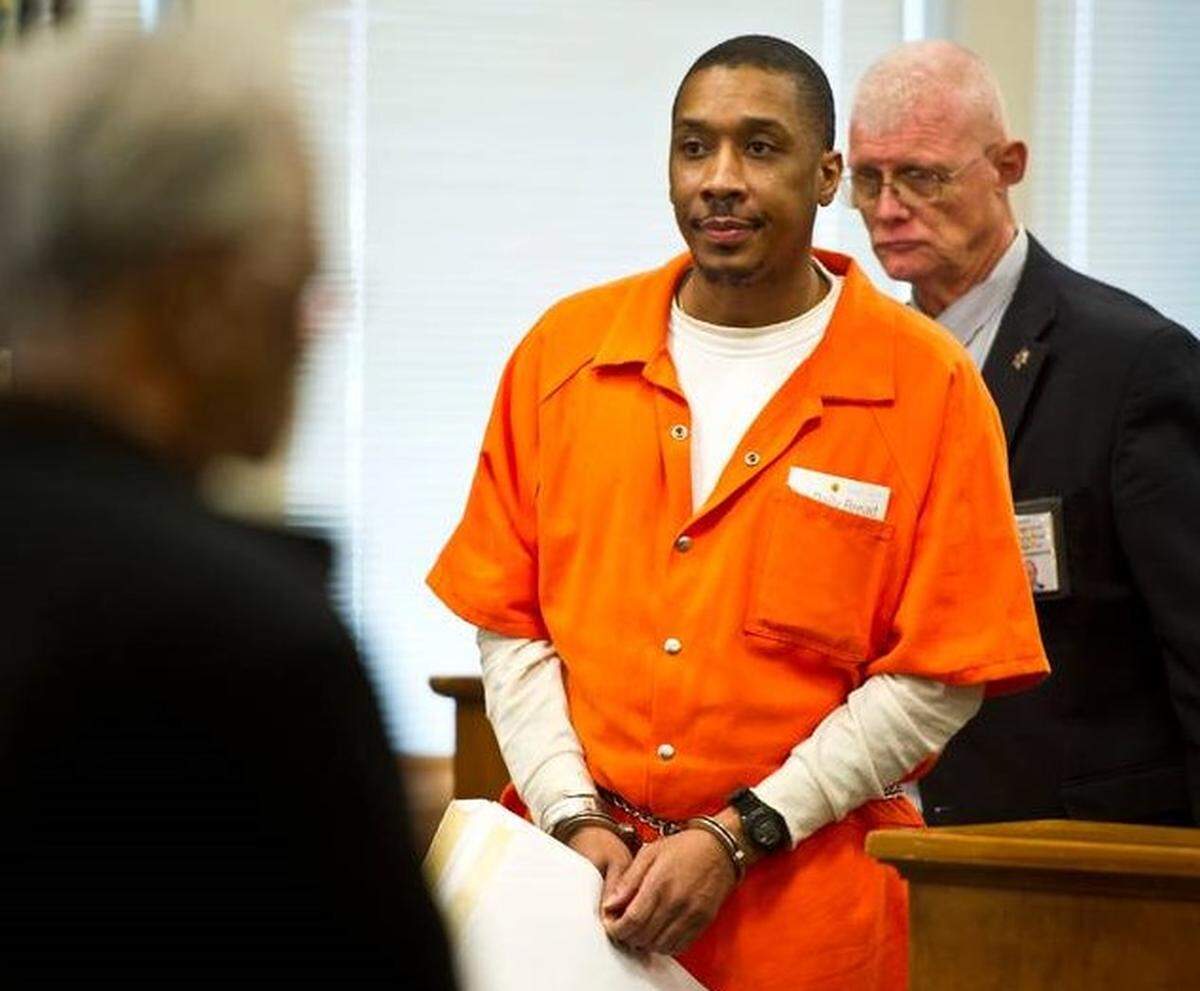
It was Jackson’s purported statements about Cole’s shooting — revelations Jackson supposedly made to some prison-mates of his a couple of years after the killing — that the high court deemed inadmissible hearsay at Finney’s trial. Jackson had in 2010 been doing time at a federal prison in West Virginia on a firearms-possession charge as part of an alleged gun-running scheme in Macon.
Finney, prior to going to trial, turned down an offer to plead guilty to voluntary manslaughter in exchange for the same sentence Jackson received.
‘Foaming at the mouth’
The high court’s March 1 ruling offers detailed accounts of how Cole’s death played out in testimony at trial.
The decision noted the words of Cole’s son on the witness stand, testifying that Finney had threatened him in the hours before Cole was killed, saying, “I know how to hurt you.”
There was a Super Bowl party that Cole’s son, Alfonso “B.J.” Rose Jr., attended the night of Feb. 3, 2008. Finney was there too and accused Rose of having earlier set Finney up to be robbed.
Rose said Finney was so enraged that Finney was “foaming at the mouth” and that Finney struck him in the head with a pistol as the two fought.
Rose said he told Finney that Finney was wrong, that Rose had not set him up to be robbed. But Rose said later that night Finney called him and said, “If I was trying to hurt you ... I’ll go to your mama house. ... I know where your mom stay.”

Rose said he figured Finney thought Rose lived at Cole’s house on Bradstone Circle, but Rose didn’t live there.
The next night about 10 o’clock, Cole was talking to her ex-husband on the phone when someone knocked on her door.
Her ex-husband listened as she answered the door and heard someone outside say his name was “Wayne.” The person outside asked Cole if Rose, her son, was there.
“Cole said no,” the supreme court’s synopsis of the episode said, “and then gunfire started.”
Cole could be heard screaming on the phone. Neighbors heard rifle blasts. One saw two men running away.
“A total of 72 .223-caliber cartridge cases were collected from the scene,” the supreme court’s summary said, adding that 51 of them had been fired from a Bushmaster rifle that Finney’s girlfriend bought with him a few months earlier.
‘Heartless and dangerous’
The Cole murder prosecution was a complex one with multiple witnesses and ties to numerous felons. In the better part of a decade that it took to meander its way to trial, it was no stranger to the state supreme court.
In 2016, soon before Finney went on trial, the high court ruled that wiretap evidence — recorded cellphone conversations of Finney’s — were inadmissible because of an investigative misstep.
Federal law requires that such surveillance be sealed immediately at the end of the wiretap period, protected from alterations. Sixteen days passed before the evidence in Finney’s case was sealed.
Another flaw, according to the supreme court’s most recent decision, describes as factoring into closing arguments at Finney’s trial.
The mistake, the decision noted, centered on the supposedly improper introduction of two prior incidents said to involve Finney in the run-up to Cole’s slaying.
The high court said the prior incidents opened the door for prosecutors to depict Finney “as a heartless and dangerous man repeatedly involved in gun violence.”
The prior acts had been deemed admissible by the trial court before Finney went on trial, but the supreme court in its ruling deemed the admission a mistake.
Finney’s attorney did not return a phone message seeking comment on Finney’s conviction being overturned, though public defenders in Georgia do not routinely comment on cases.
‘Scum of the earth’
When Cole’s daughter, LaTanya Rose, learned of Finney’s conviction being overturned, she was furious.
“I was numb and speechless,” she said, “and then I was livid.”
LaTanya Rose, who lives overseas in Dubai where she works as a nurse, said she understands court procedures must be followed.
“I get that,” she said. “I don’t want anything to be done wrong. That is why it took eight years to even get to court.”
But having endured Finney’s trial and listened to the evidence against him, she said the prospect of prosecutors having to try the case again seems unfair.
“There’s nothing to be said at this point except justice has escaped us. Because there is no way that you’re gonna tell me that he didn’t have anything to do with it,” she said.
“They showed my mother no mercy. ... Ben Finney and Marlon (Jackson) are cowards. They are the worst, they are the scum of the earth.”
LaTanya Rose said her mother had in the past invited the two into her home for meals when they were friends of LaTanya’s brother, Alfonso.
Now she and her family hope prosecutors will again try the case against Finney.
“If it can be retried, absolutely we want them to retry it,” she said.
“At the end of the day, he killed my mother.”
Information from Telegraph archives was used in this report.
This story was originally published March 8, 2021 at 12:00 AM.