
From ‘first punch’ to ‘first shot’: When bullets fly on Macon’s quick-to-shoot streets
In a Macon courtroom on Halloween morning, a prosecutor with an easy, conversational manner and a hard-nosed knack for winning convictions in some this city’s most violent crimes stood before jurors in a murder trial and snapped her fingers.
“This,” assistant Bibb County district attorney Nancy Scott Malcor said with a snap, “is a case about gun violence and a generation of young people in our community who turn to it almost immediately to settle any dispute.”
The young man on trial, Quintavious “Slick” Hutchings, was a participant in a March 2016 shooting sparked by a shove outside a party house on a blight-torn street where the view from front porches of falling-apart, abandoned dwellings provides a northerly peek into downtown Macon. The ensuing gunfire left his best friend, Tarus Fair, an innocent bystander, with a fatal bullet wound.
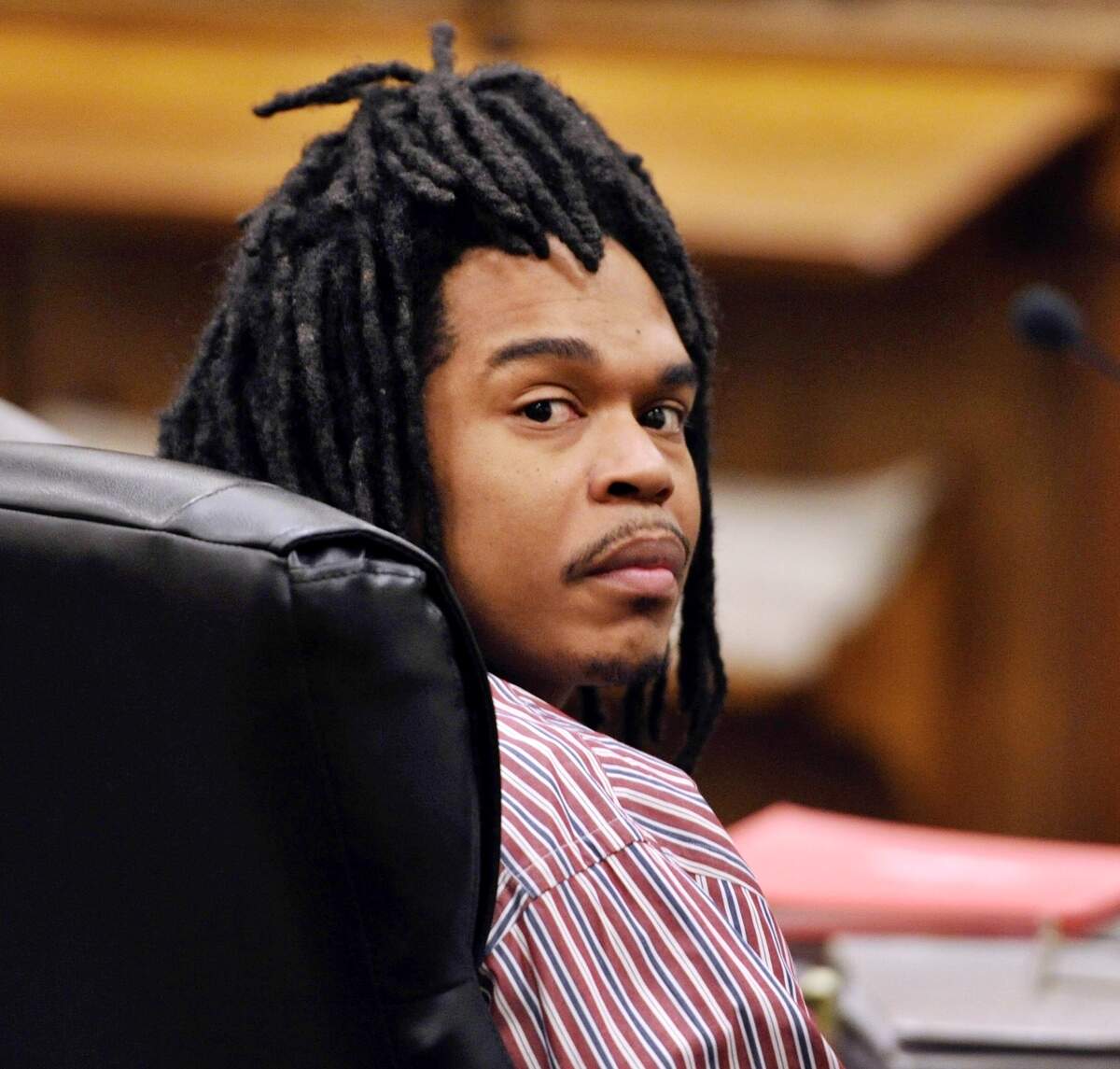
Malcor’s remark about the prevalence and frequency of firearms as dispute-settlers, which came during her opening statement in Hutchings’ trial, rang particularly true. Statistics are not kept on the number of shootings or killings that appear to stem from innocuous beefs or physical altercations that swiftly escalate to gunplay. But local cops say such episodes are among the more common outbursts they see: People resorting to violence, to gunshots, in a flash. And the Hutchings trial offered a glimpse into that seemingly quick-to-shoot mindset.
The shooting that ended Fair’s life at age 24 happened just before midnight outside a party house — or bootleg house as they are known to those who frequent them — on Cynthia Avenue. It was a gathering place across the street from the Salvation Army on the southern edge of downtown. Men, mostly in their 30s and 40s, hung out to watch ballgames on TV, drink beer and liquor and sometimes grill food. The house sometimes featured a bartender. On occasion a barber set up shop and cut the men’s hair.
None of the guns in the spray of bullets that killed Fair were recovered by the police. Prosecutors told jurors up front that it was impossible to know for sure who fired the bullet that struck Fair in his left hip, severing an artery and killing him.
Another aspect of the case centered on the 25-year-old Hutchings. No fewer than five incidents of gunfire have had connections to him. On Christmas Eve in 2011 when he was 18, Hutchings survived a gunshot wound to the head at a house on Antioch Road. The authorities later described the incident as possibly a crack- or marijuana-related altercation with a member of the Bloods gang. (Charges against Hutchings’ attacker were later dropped. The suspect’s lawyer said Hutchings, critically wounded, had threatened the shooter with an AK-47.)
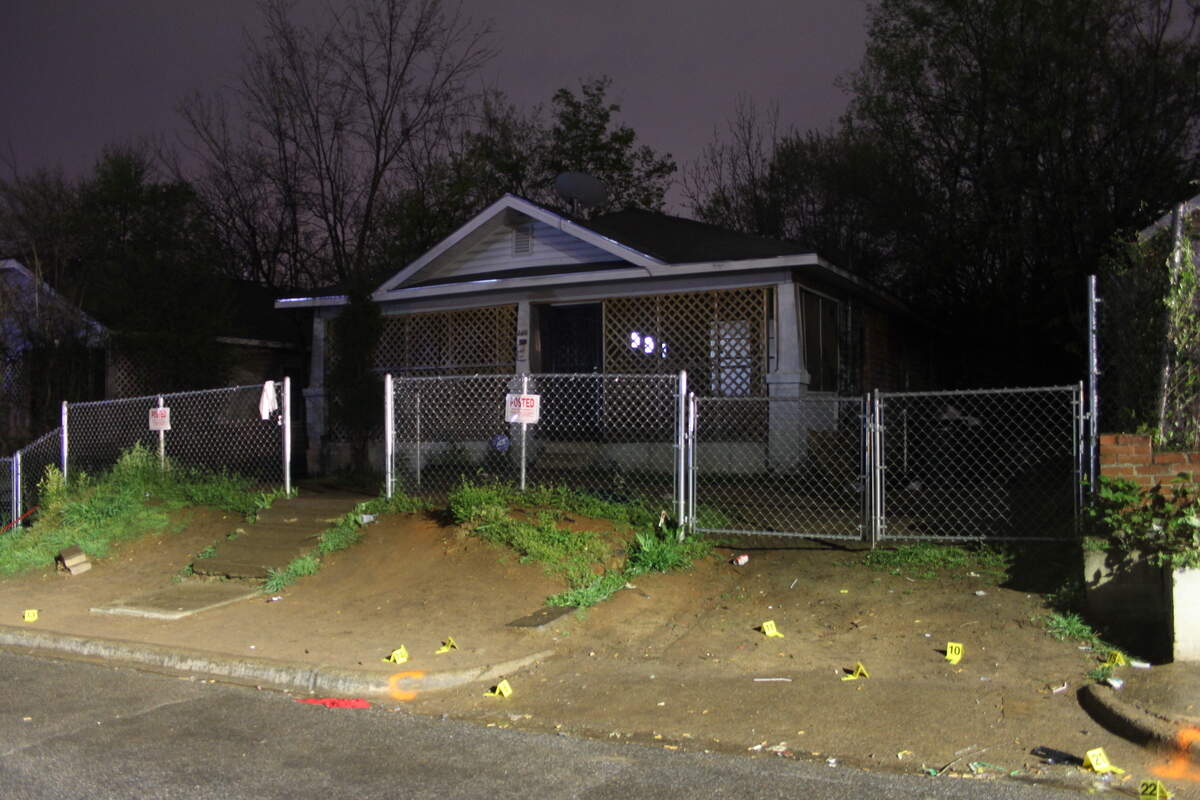
Four nights after Hutchings was shot, bullets in an apparent round of retaliatory gunfire struck a house on Houston Avenue where the mother of the alleged gang member accused of shooting Hutchings lived. Then came the deadly shooting at 446 Cynthia Ave. in the waning hours of March 18, 2016. Soon after Tarus Fair was mortally wounded, there was more gunfire there.
Tony “Hard Body” Ellis, the man Hutchings was accused of shooting at outside the bootleg house, became an unwitting target of more gunfire after Hutchings fled into the night. The shooter in that clash, prosecutors would say, had mistaken Ellis as the instigator in Fair’s shooting and opened fire on Ellis. But Ellis, 42, somehow escaped unscathed, sprinting away and hiding in some bushes near Broadway.
A couple of hours later, there were more even gunshots — this time south of Eisenhower Parkway off Antioch Road on Lynmore Avenue at the home of Hutchings’ grandmother. Hutchings was there in the aftermath of the gunplay on Cynthia Avenue when, shortly before 1:30 a.m., about five shots tore through the house. Bullets hit a television set and pierced the headboard of a bed where an 11-year-old girl lay sleeping.
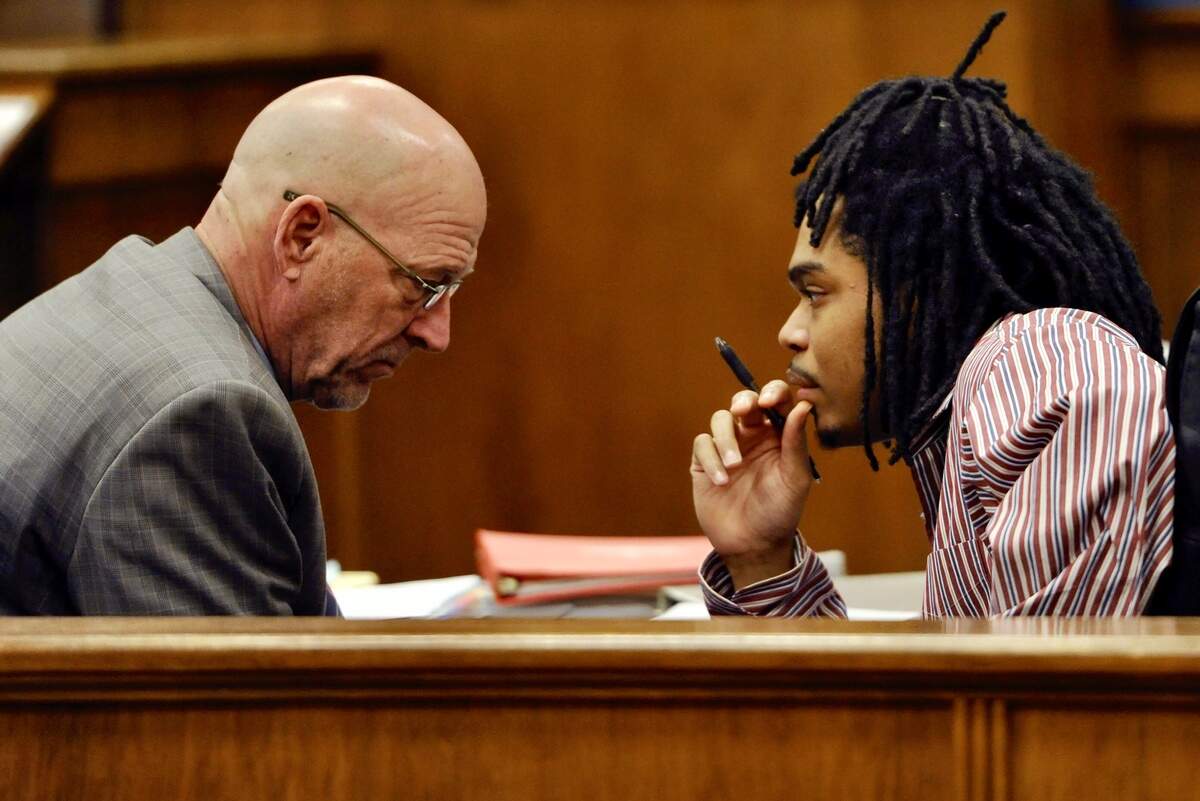
At trial this fall, Hutchings’ attorney, Paul Christian, reminded jurors of Hutchings’ past. Christian told how Hutchings had suffered a gunshot wound to the head back in 2011, how bullet fragments still in his brain had “altered his behavior” and “changed his personality” and made Hutchings “gun shy,” so fearful of being shot again that he began toting a pistol for protection.
Prosecutors painted a different picture. Hutchings, they said, was an agitator. He was frequently seen half a block or so down Cynthia, perched on a block wall, a mainstay on the corner of Houston Avenue. Men at the bootleg house a few doors down the way didn’t much care for Hutchings, who would sometimes sneak in for drinks. Hutchings was told to scram, that the older guys didn’t want him or his trouble.
“Ladies and gentlemen,” Malcor said to the jury, “for the defendant, that was unacceptable. He did not like that. He didn’t like that he wasn’t allowed in the house. He didn’t like that he wasn’t even allowed inside the gate. They did not want him in the yard of that house. Because they knew him. And they knew he was quick to pull a gun.”
And on the night of March 18, Hutchings seethed, Malcor said, adding that he was drinking and smoking weed all day, growing “angrier and angrier,” complaining about “those old G’s” and threatening to “air out” their house — to shoot it up.
“He let it be known that he had a gun,” Malcor went on, “and he let it be known that he was not afraid to use it.”
But would jurors believe Hutchings was responsible for Fair’s death — even if the fatal bullet had not been fired by Hutchings himself?
‘Caught up in the hustle’
In the late 1980s and early 1990s, Dominique Johnson was a teenager growing up near the Indian Mounds in the southeastern corner of the Macon’s Fort Hill neighborhood. Crack cocaine had by then taken hold.
The area, which lies north and east of the Macon Coliseum, was particularly struck by violence wrought by the drug epidemic. A rash of killings there in the early ’90s prompted cries for community policing and inspired church-led marches to halt it.
Johnson, 44, the pastor of a Kingdom Life, an interdenominational church on Shurling Drive, was a standout point guard for Northeast High at the time. He steered clear of trouble and went on to college. But he hasn’t forgotten his roots. As of more recent years, Johnson happened to know of the victim in the Hutchings case, Tarus Fair.
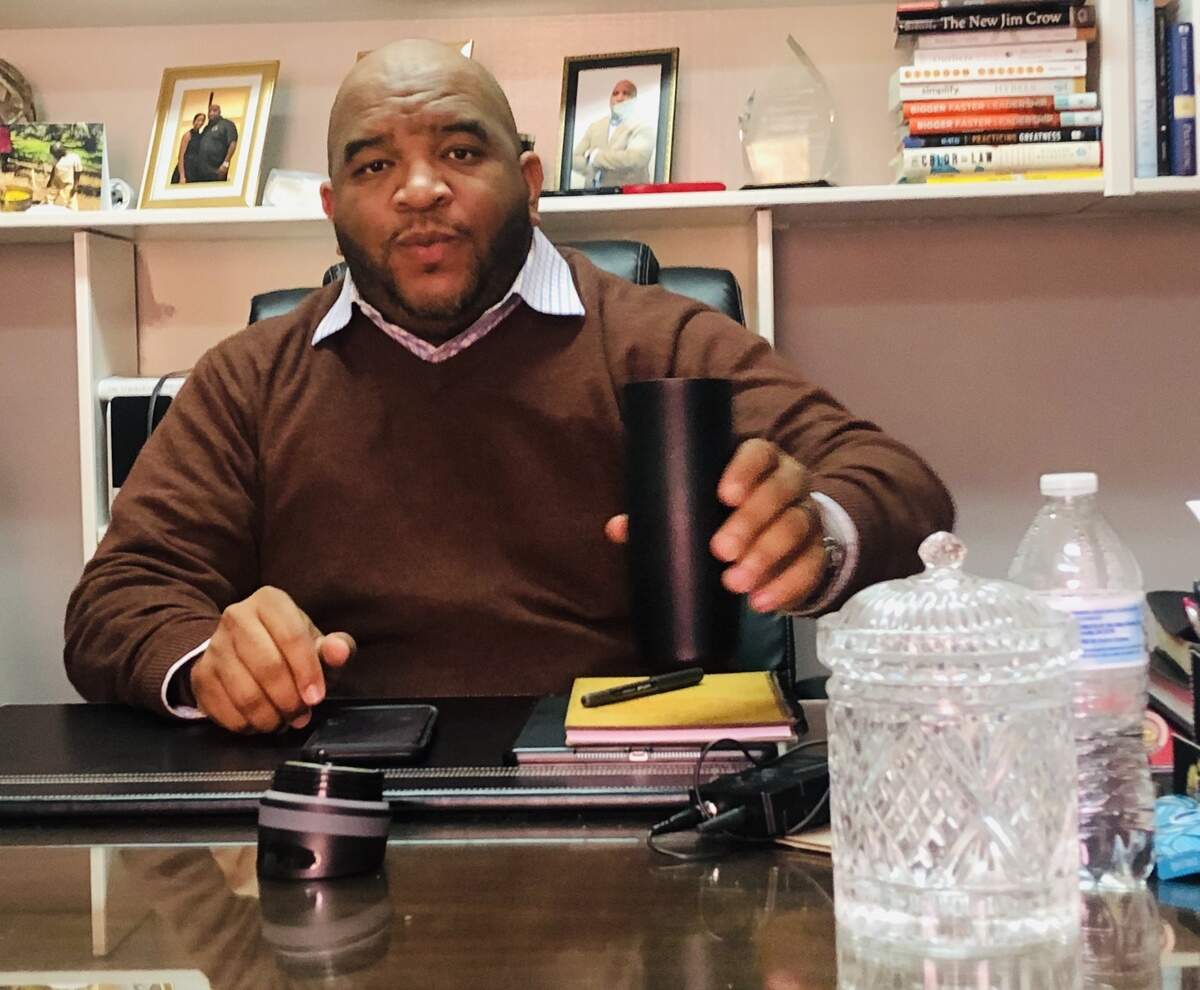
“He was cool,” said Johnson, who also, at least in passing, knows Tony Ellis, the man Hutchings clashed with in the shooting. “Real cool,” Johnson said of Ellis.
Johnson, who otherwise has no connection to the case, recently spoke to a reporter about the shoot-first culture embraced by a segment of the young people he encounters as a minister.
“A lot of times with these young boys, it’s about bravado,” Johnson said. He said the tendency to lash out with guns may arise from a variety of things: anger, drugs, poverty, broken families, lacking mental health care and self-preservation.
“It’s everywhere we go,” he said. “It’s in our art, it’s in the music, it’s in the whole thing of, ‘I only want to do this to protect me. And if it jumps off (and goes sideways), it jumps off.’ ... ‘That I got this gun on me, and that’s what I’m going to do.’ … It has gone from throw the first punch to shoot the first shot.”
And to halt it, Johnson said, “you’re fighting hopelessness. ... You’re fighting a culture.”
Asked about Fair’s death and its circumstances — how prosecutors have said Hutchings ignited the ruckus after being told to stay away from the bootleg house — Johnson said folks on the street don’t necessarily do as they’re told. There is, Johnson said, an attitude among some that “I go where I want.”
“And sometimes,” he added, “you just get caught up in the hustle.”
‘By 11:30 ... he was dead’
That seemed to be the case for Quintavious Hutchings. The night before the shooting, he was there at the corner of Houston and Cynthia avenues, hanging out.
A sheriff’s deputy on patrol, who was by chance being accompanied that evening by a Telegraph reporter, gave Hutchings a nod and a wave and pointed him out to the reporter. Hutchings, in a red T-shirt, stared back from his spot on the wall. The corner hangout, a dirt patch across the street from a food mart, has been known for drug sales. Congregants sometimes shot dice.
When Hutchings went on trial, he never took the stand. He sat at the defense table as prosecutors described his lifestyle and the havoc, the hurt they claimed he caused.
“On the evening of March 18, 2016, Tarus Fair was at home with his children while his girlfriend, their mother, was at work,” Malcor, the prosecutor, told the jury of eight men and four women. “She got off work around 10 o’clock and headed home. He had plans that when she got home to watch the kids, he was gonna leave and go hang out (on Cynthia Avenue) with his friends because it was a friend’s birthday weekend. And his friends, ladies and gentlemen, included the defendant, Slick. ... The victim who died in this case was good friends with the defendant. And around 10:40 that night, Tarus Fair left his home happy, looking forward to a night out with friends. And by 11:30 ... he was dead.”
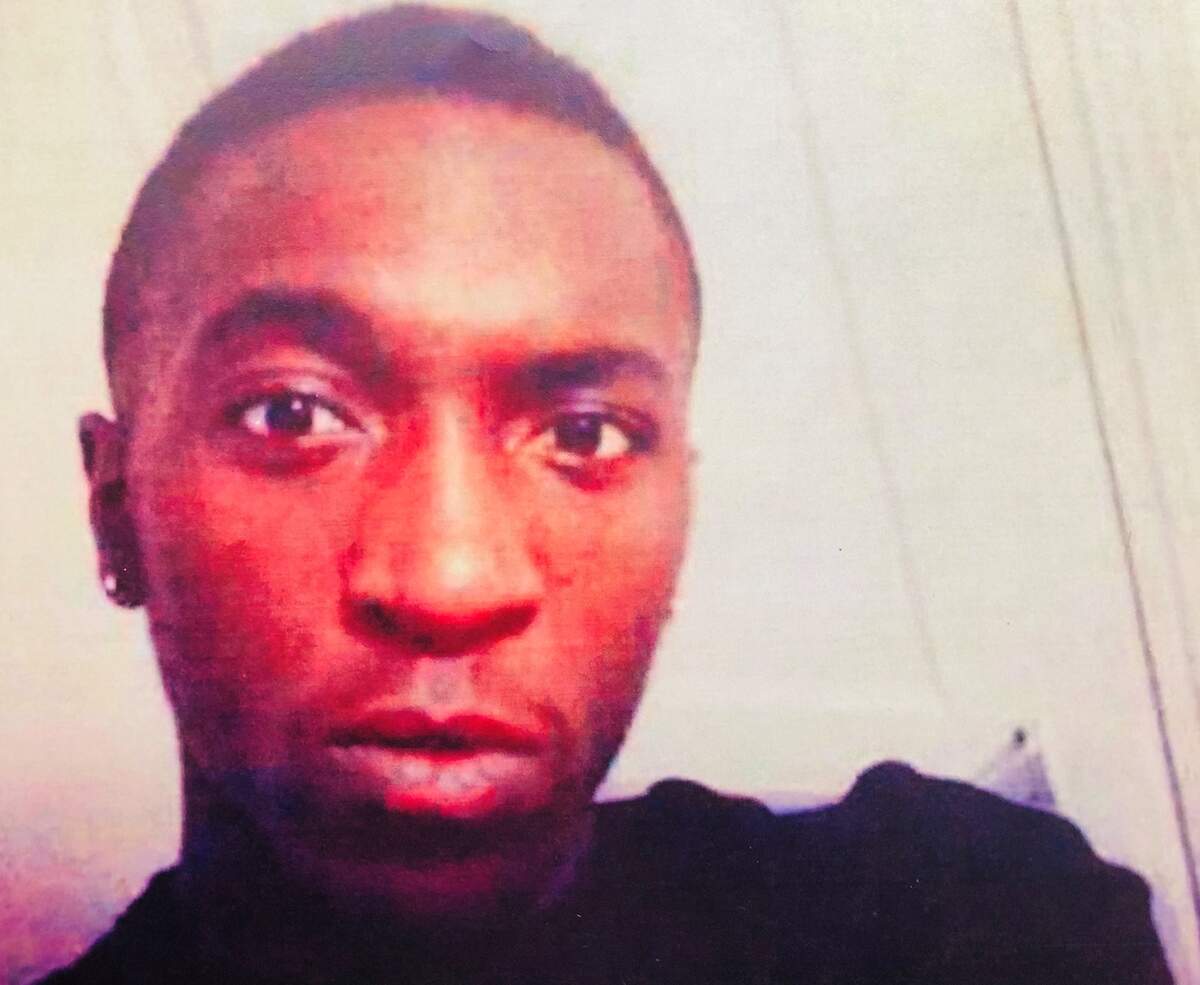
Malcor said that Fair had tried to calm Hutchings that night, to get him to chill, to go somewhere else. She said Fair was OK with not being allowed to frequent the bootleg house and that everyone there liked Fair and got along with him. The same didn’t go for Hutchings. For there was a day in the weeks prior that Hutchings had slipped in and pulled a gun on Ellis unprovoked, Malcor said. No shots were fired and Ellis chalked it up to Hutchings trying to look tough.
Later in the trial when Ellis testified, he was asked about his nickname, “Hard Body.”
Ellis said that as a child playing basketball he ran full-speed into a concrete wall. He bounced right up and “Hard Body” was born.
It would prove fitting, perhaps even prophetic, the night Hutchings opened fire.
‘No way out’
Asked recently by a reporter why some people may be quick to shoot, Judge Verda M. Colvin mentioned a handful of reasons sometimes brought up in discussions on the origins violence and why some resort to it.
Colvin is a Bibb County Superior Court judge and former federal prosecutor known for her no-nonsense, straight-talking lectures. In part, she blames poor parenting and breakdowns in schools and churches when it comes to getting the message across about “how we should live” and “how we should respond to one another.”
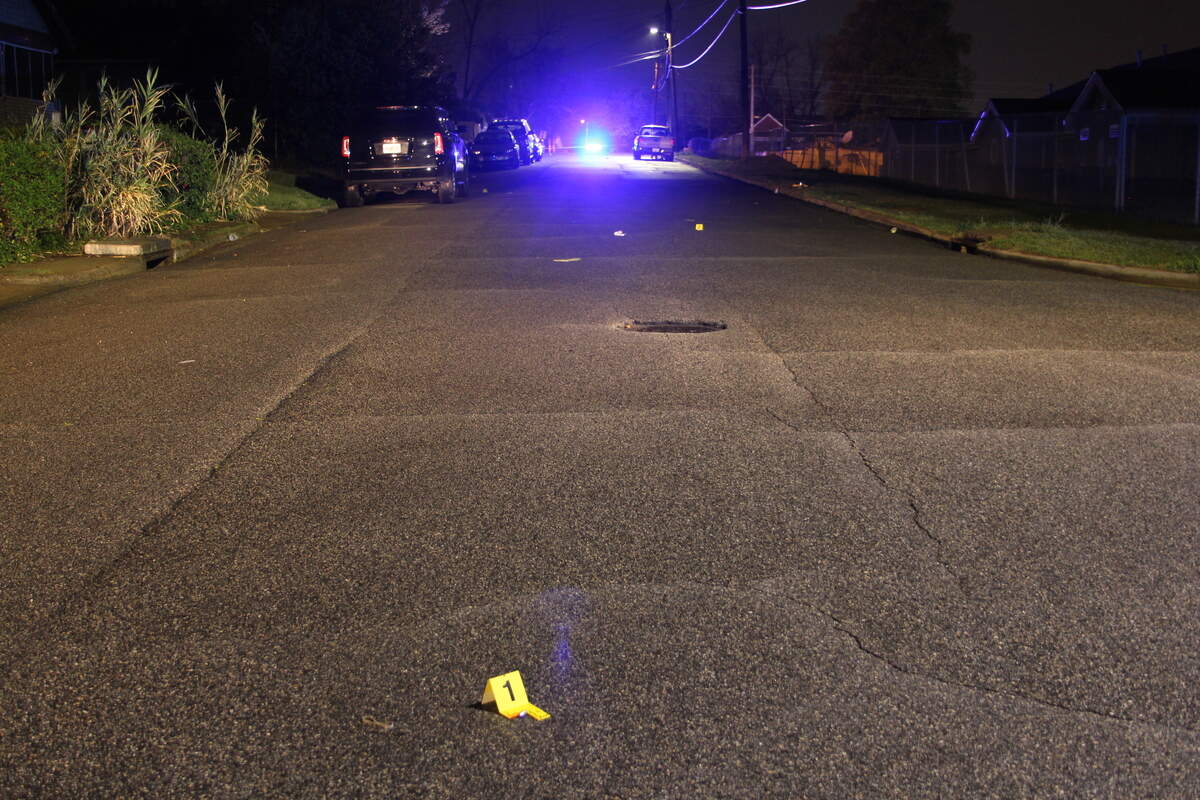
She said much of the trouble she deals with in theft cases, car break-ins and other crimes is linked to drug addiction. Colvin said she is often surprised by “the hopelessness” of the offenders.
“It seems like a lot of people are relegated to nothingness. Like, ‘This where I am, this is where I’ll be, and it’s all good,’” she said, adding that “at some point they just gave up on doing what’s right — or they don’t even know what’s right.”
Weeks after Hutchings’ trial, his attorney, Paul Christian, would tell The Telegraph that he figures 80 percent of his clients lack fathers or paternal role models. Though Christian could not speak specifically about Hutchings or his case, the lawyer said, “When you’re on the streets and you’re living in that reality and there seems to be no way out … it’s got to seem dark and depressing.”
In a recent interview about trigger-happy shooters, Bibb sheriff’s investigator Daniel Shurley, who oversaw the probe of Tarus Fair’s slaying, said that among the suspects he typically encounters there is a lack of morals, a lack of education and an inability to solve problems “any other way but through violence.”
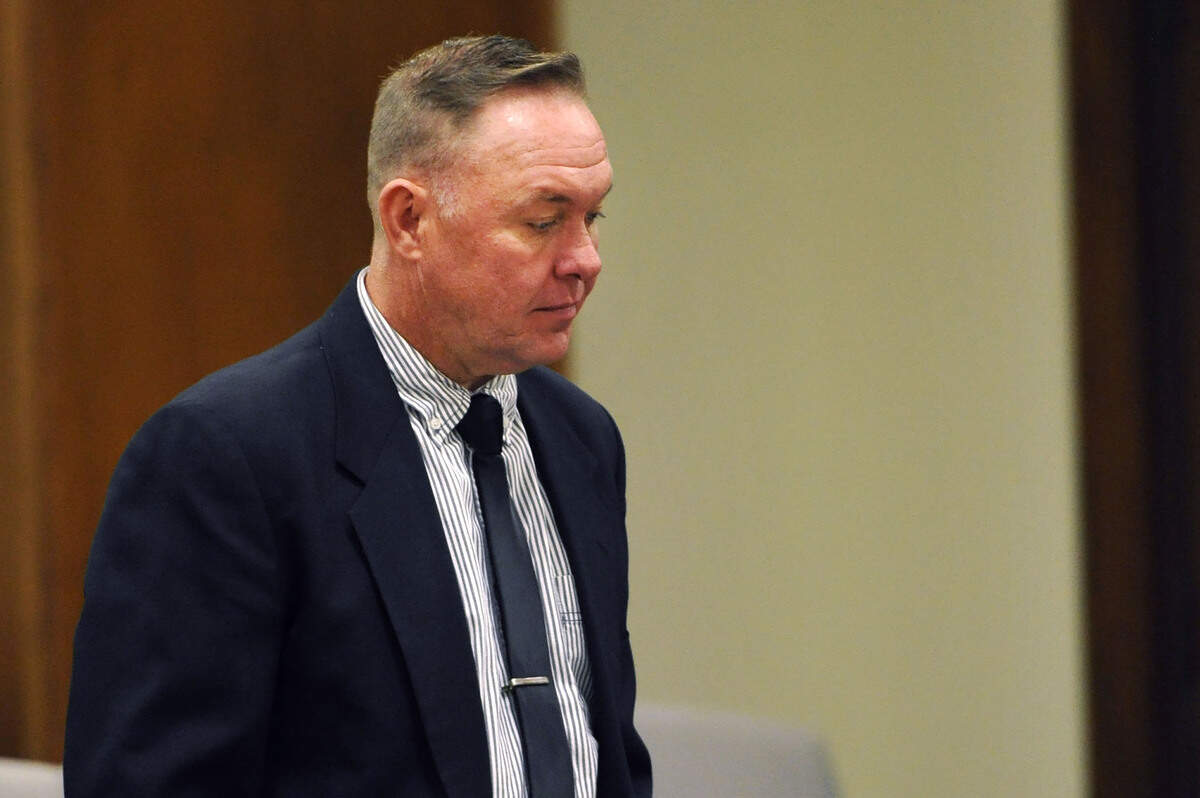
Said Shurley: “When you grow up in certain neighborhoods and you see all these other guys that are maybe older than you and they’ve got this tough-guy image, you may want to be like them. You want to be the tough guy on the block. So the easiest way to do that is to what? To go and get a gun. You walk around and you let everybody know that you’ve got a gun. You want to put that image into people’s minds, ‘Don’t mess with that guy.’”
Their guns, he said, are almost always bought and sold on the street. And such weapons have a way of disappearing when someone gets shot. It is rare, Shurley said, for the police to get their hands on the firearms in question. Which is what happened when Tarus Fair died.
“When we have a shooting or a murder,” Shurley said, “that gun gets handed off … to another person and another person. … It’s like Christmas when we get the suspect and the gun.”
‘He shot at me’
As the state presented its case for felony murder against Hutchings, jurors were reminded that the charge was not malice murder. Even if he had not aimed to kill Tarus Fair, prosecutors contended that Hutchings’ actions constituted murder. By opening fire unprovoked on Tony Ellis, they said, his reckless abandon and disregard for life amounted to an unlawful killing.
As Malcor, the prosecutor, described the deadly episode in her opening statement, it was getting late on the night of the shooting and Ellis had walked outside the bootleg house to go home. Hutchings saw him, Malcor said, and told others outside, “There goes one of those old G’s.”
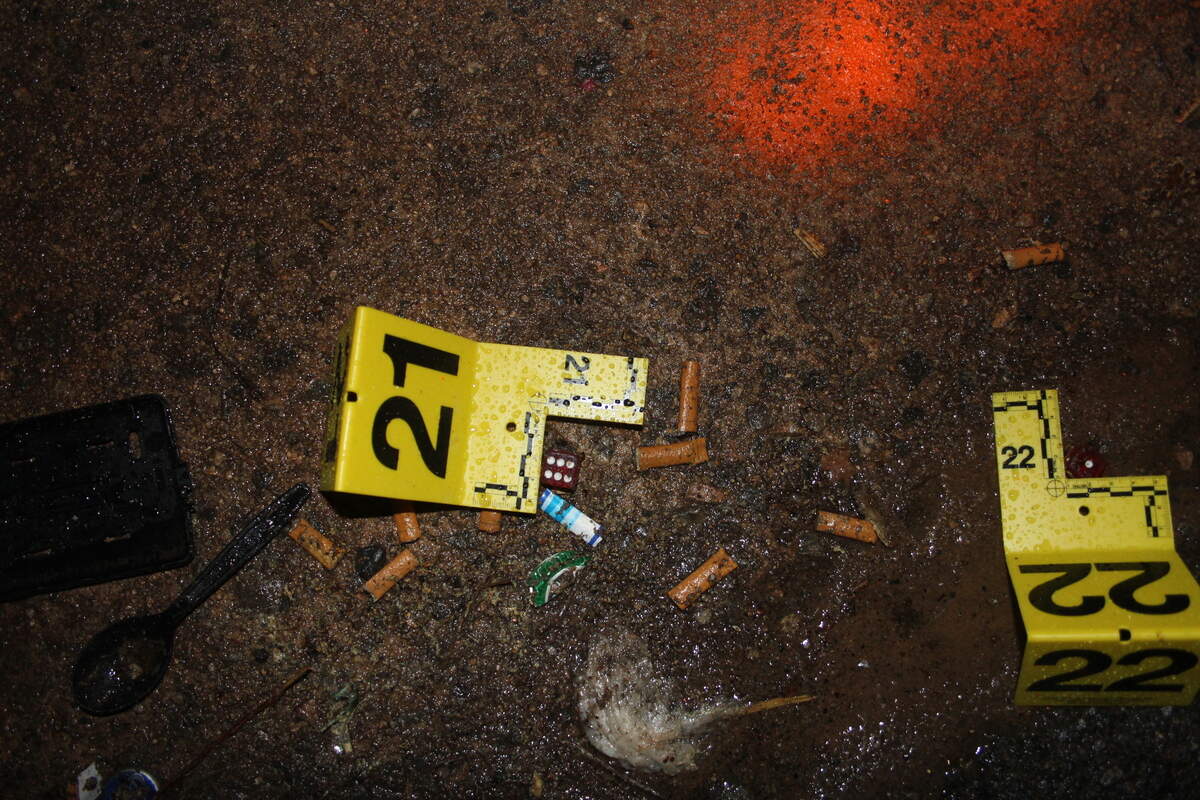
Malcor said Hutchings pushed Ellis.
“Remember what I said Tony’s nickname was? Hard Body. You really probably should not push someone whose nickname is Hard Body. Because Hard Body pushed the defendant back,” Malcor said. “And when he did, the defendant fell down. And when the defendant fell down, his gun fell out of his pocket and was next to him there on the ground. And he went for it and he came up shooting. So Tony Ellis pulled his own gun in self defense and returned fire. And the defendant, as he is getting up … is running toward Houston Avenue, shooting behind him. Tony Ellis is shooting towards the defendant, so towards Houston Avenue and moving the other direction.”
Fair, standing somewhere between them, was struck in the crossfire.
When questioned by investigator Shurley the next day in a recorded interrogation, Hutchings seemed to blame Ellis.
“He shot at me. … I think I shot back at him,” Hutchings said.
He spoke of Fair as “my homeboy,” and claimed he was not angry about not being welcome at the bootleg house.
“They been … not letting me go in there,” Hutchings said.
When pressed, he couldn’t recall a reason or explain why the shooting began. “I’m telling you the God’s-honest truth,” Hutchings said.
He went on to say he had smoked “a lot of weed” that night — possibly seven or eight marijuana blunts. He said he left the gun he fired, a 9mm, on the ground along Cynthia Avenue, where more than a dozen shell casings were later found.
“It’s a miracle,” Malcor said, that Hard Body was not shot.
Ballistics tests on the bullet that killed Fair determined only that they had not come from a 9mm weapon, and Hutchings’ gun was not recovered. Neither was Ellis’ .38-caliber pistol. Even so, the fatal bullet was not conclusively from a .38 either.
Malcor then told jurors about the shooting at Hutchings’ grandmother’s place on Lynmore Avenue, that it was one of the places they went looking for him.
“Just what this story needed, right?” Malcor said. “More gun violence.”
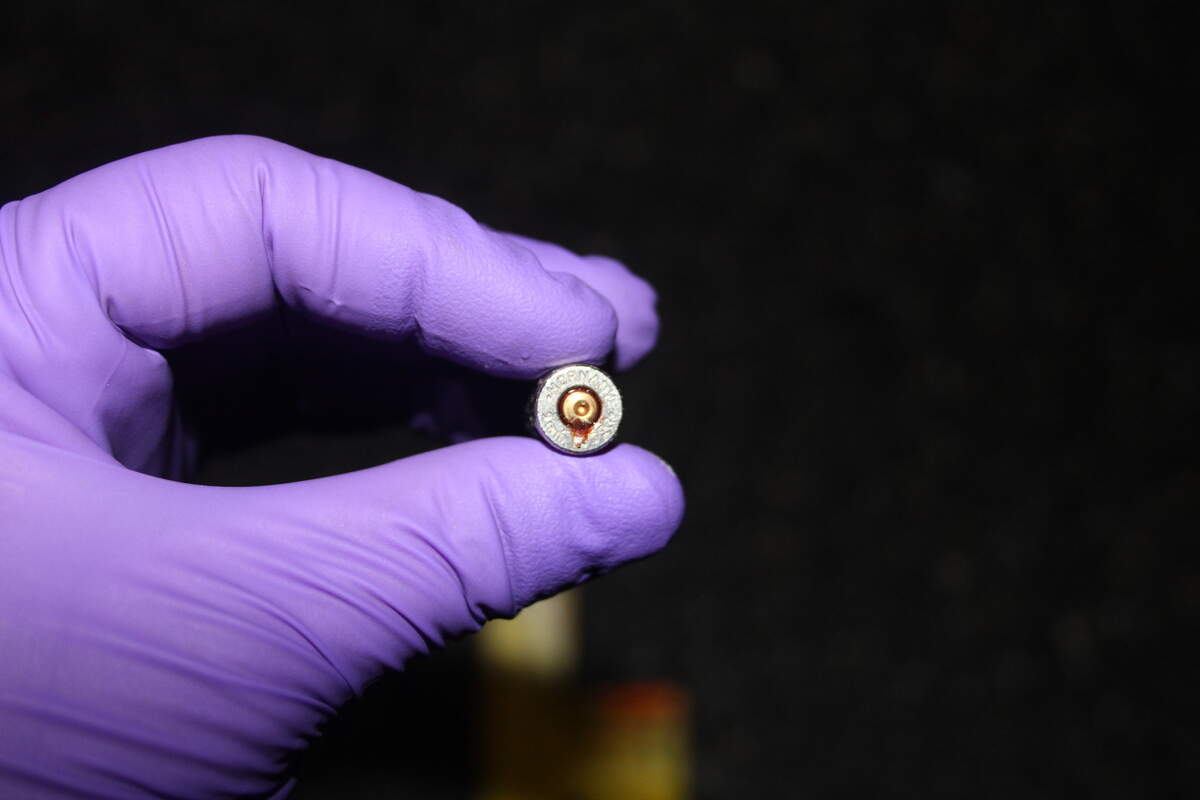
Investigators soon caught up with Hutchings, and before long, prosecutors would say, he was considered the primary aggressor and, later, that Ellis was justified in returning fire.
“Now whose bullet killed Tarus Fair?” Malcor said to the jury. “We don’t know. We can’t say for sure. ... I can tell you this: Neither shooter stayed at the scene and turned over their guns for any kind of ballistics examination.”
Was it possible that Ellis had fired the fatal bullet?
“It is possible,” Malcor went on. “But that does not change anything about why we are here today and why Tarus Fair is not.”
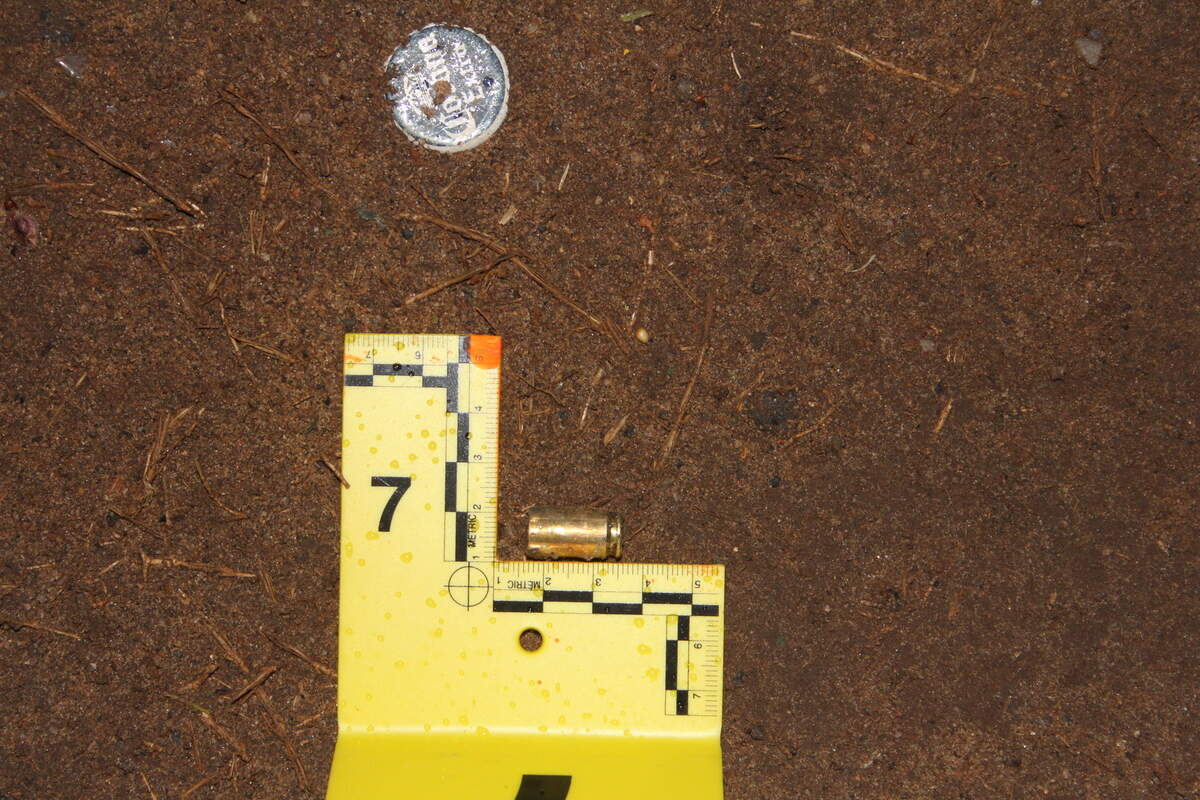
Fair was killed, she said as she motioned to Hutchings at the defense table, “because of that man.”
Hutchings, Malcor concluded, “committed the felony of shooting at Tony Ellis, and during that felony Tarus Fair died. And, ladies and gentlemen, that is felony murder.”
‘Just wouldn’t let it go’
In the end, jurors did not buy the prosecution’s claim.
After deliberating for about an hour, they declared Hutchings not guilty of murder. They did, however, convict him of aggravated assault for shooting at Tony Ellis.
In the days after the verdict, the former Macon-Bibb firefighter and retiree who served as the jury’s foreman told a Telegraph reporter how the verdict was reached.
%20011.JPG "B16-49162 (2) 011.JPG")
“The thing that I think struck everybody about his whole thing was, I guess, the mindset of these thugs — if you want to call them that,” said the foreman, Cliff Rushin, 68, who retired as assistant fire chief in 2013. “They don’t seem to have any regard or respect for not only others but even themselves.”
He and his fellow jurors could not get past prosecutors’ inability to prove whose bullet had killed Fair.
“The sad part about this whole thing is that it was a situation that probably should not have occurred — ever — had the mindset of the younger side not been what it was,” Rushin said. “Mixed with alcohol and other drugs, that attitude that they develop worsens. And it was one of these things that I think transpired over a number of weeks, maybe even months, between Hard Body and this kid (Hutchings). … It was back and forth. … And for some reason they just wouldn’t let it go.”
On the afternoon of Nov. 2, when time came to sentence Hutchings for aggravated assault, Judge Howard Z. Simms asked Hutchings if he had anything to say.
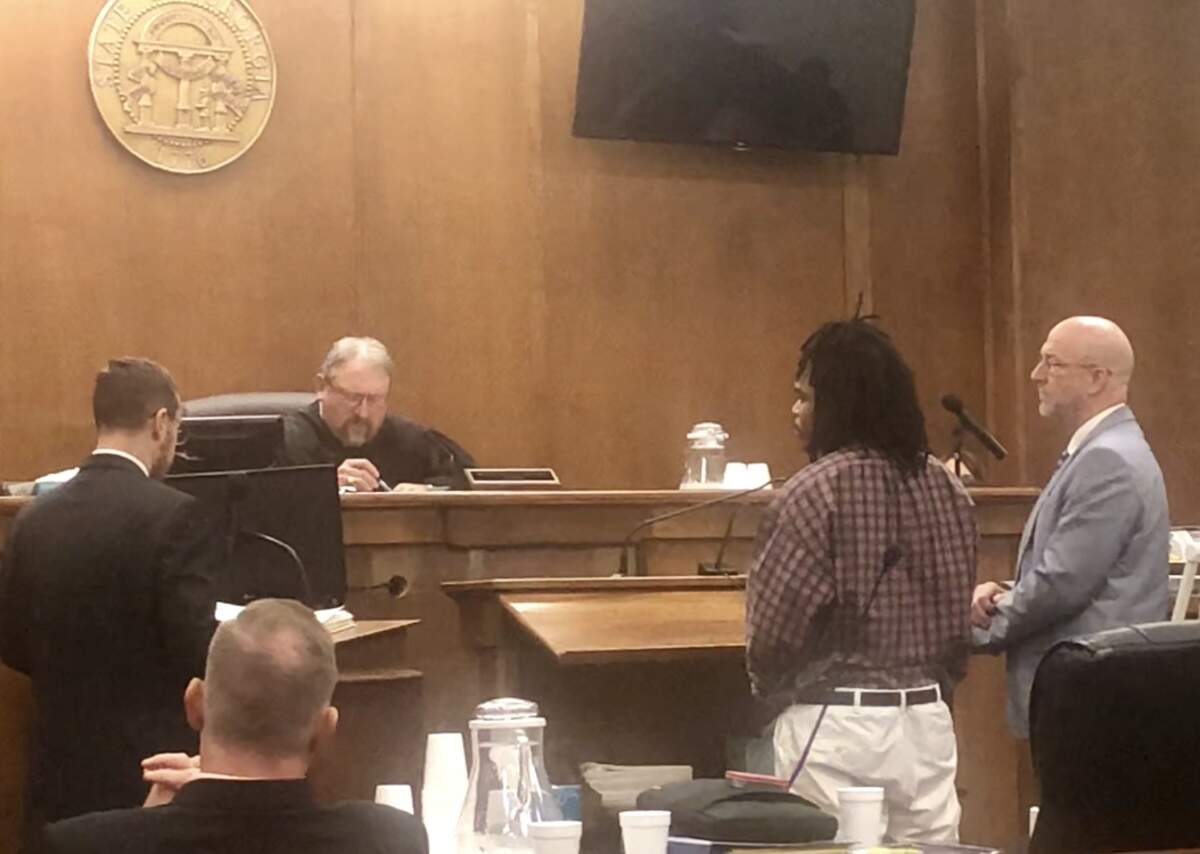
“I just was protecting myself,” Hutchings began, but his lawyer cut him off and told him not to argue.
“Mr. Hutchings,” the judge replied, “the jury didn’t believe that. Neither do I. … What happened on Cynthia Avenue that night is part and parcel of what’s going on in this community. You had no business over there. They didn’t want you there. They had told you to leave ... over and over and over. People get killed, they get shot and they get shot at around here for nothing other than obstinance and stupidity.”
Simms then spoke of the 2018 spike in homicides — “this kind of idiocy” — in Macon, a death toll that at the time stood at 35, approaching the modern-day high of 43 in 1992.
“Now I’m not sentencing you for murder,” the judge said. “The jury didn’t convict you of that. But what they did convict you of is part … of the violence that goes on in this city and this county every single day. And that’s what I’m sentencing you for … your part in it. … I sentence you to 20 years in the penitentiary.”
This story was originally published December 28, 2018 at 12:00 AM.