
Q&A with Katie Beall
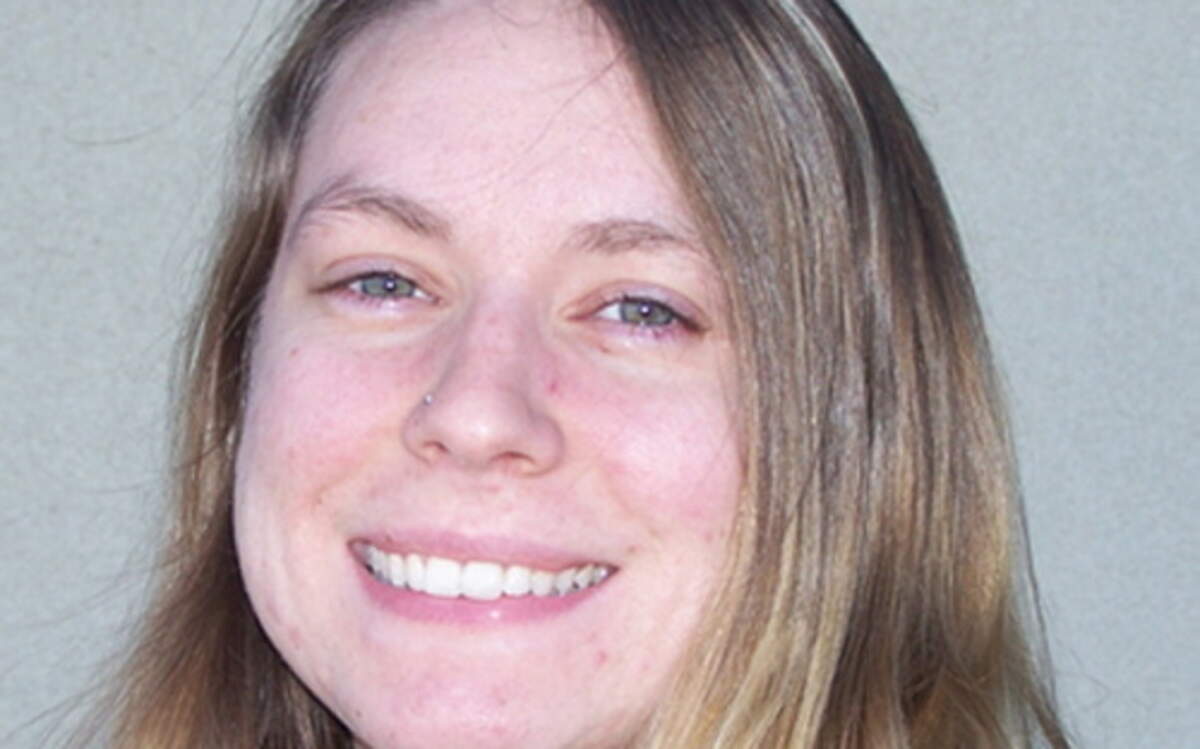
Q&A with Katie Beall
Residence: Warner Robins
Occupation: Owner-instructor, Heart2Hands Signing Academy
Q: You teach sign language to babies?
A: Yes. Right now I have Mommy and Me classes where parents come with their children and learn sign and how to teach and use it at home.
Q: What ages are you talking about?
A: From expecting parents to children zero to five. The oldest I have in a class right now is three, and the typical age is right around one, but it's open to that larger age-group.
Q: And you're not talking about teaching deaf children -- you're talking about teaching hearing children?
A: Yes, hearing. That's the focus but deaf children love it, too.
Q: A little more precisely, what is it you teach them?
A: It's based on American Sign Language signs, but I don't fully teach ASL. I don't teach sentence structure, grammar or that sort of thing. I teach signs for a baby's first 100 words. It's not really by levels, so parents can start with their children at any point. I start off with things like eat, drink, milk, more, sleep -- the sort of things a baby's life is all about. Needs and family life are the basic side and then we go into things like hurt, where hurt and signs related to feelings, pets and those sorts of things.
Q: How do you teach? Do you sit and show signs and somehow they follow along?
A: No, it's really more of a play class where we incorporate signing and learning signing in different ways and learning styles. And it's as much for the parent or guardian or caregiver as for the child. It's something you get in the play class and then continue doing at home.
Q: So what does that really look like?
A: We engage in all kinds of ways. We do music and singing and movement. We have songs, poems and stories. We have props we use and play with doing the signs as we learn them. It's a whole lot more than sitting and learning sign language. We learn how that word relates to that environment, like if they're learning "happy" we do happy things so they can identify. The written word comes into play, too.
Q: How many in a class?
A: Right now, about eight but we can go a bit higher than that in a play class. I also sell learning products if parents just want to go that route and do it on their own. And I do private lessons and other classes, and I want to expand what I'm doing to things like library sessions and story times. There used to be a community group that met at the Centerville library that I sort of inherited, but we've only met occasionally.
Q: How do people find out what's current and where classes are?
A: Email me at katiebeall@signingtimeacademy.com or go to www.signingtime.com/academy/instructors/katiebeall. My number is 301-676-5423.
Q: Is Signing Time the group you're with?
A: Yes. I was certified through them. I have an older brother who is deaf, and I grew up surrounded by ASL and deaf culture. My mom is a sign language interpreter in schools, and I stayed interested in sign language and deaf culture and integrated learning through college. I was trained in early childhood education.
Q: What brought you to Warner Robins, the Air Force?
A: Yes. I'm originally from Maryland, and my husband is active duty Air Force.
Q: What does it take to learn?
A: Just repetition and a parent willing to do it at home. Every time you know a word, you sign it -- you do it. Kids are sponges. They absorb everything you do with them. If it's "eat," then you sign eat whenever it comes up. They'll associate it and in time you'll see their face light up because they get it and they'll start using it. That's part of what makes this so great: getting a way to communicate with your child and have that increased bond. It's really rewarding.
Q: What are some other benefits?
A: It significantly reduces frustration and stress for the child because they can effectively communicate so much more. The terrible twos are largely the age kids know what they want but can't tell you. Learning signing can ease some of that. Research shows it has a positive impact on early childhood development, facilitates linguistic development, improves cognitive, social and emotional areas and helps educational outcomes when children are older. It's completely normal for babies to start communicating at 6 months.
Q: You see kids pick up signing easily?
A: Think about it. Little kids wave bye-bye before they say it and learn to lift their hands for you to pick them up before they can ask. It's very natural, and this is exactly like that. We enhance that and increase it by giving them more identifiable communication skills before they can actually talk. I love it.
Answers may have been edited for length and clarity. Compiled by Michael W. Pannell. Contact him at mwpannell@gmail.com.
This story was originally published January 26, 2016 at 10:20 AM.