
Q&A with Michelle Masters
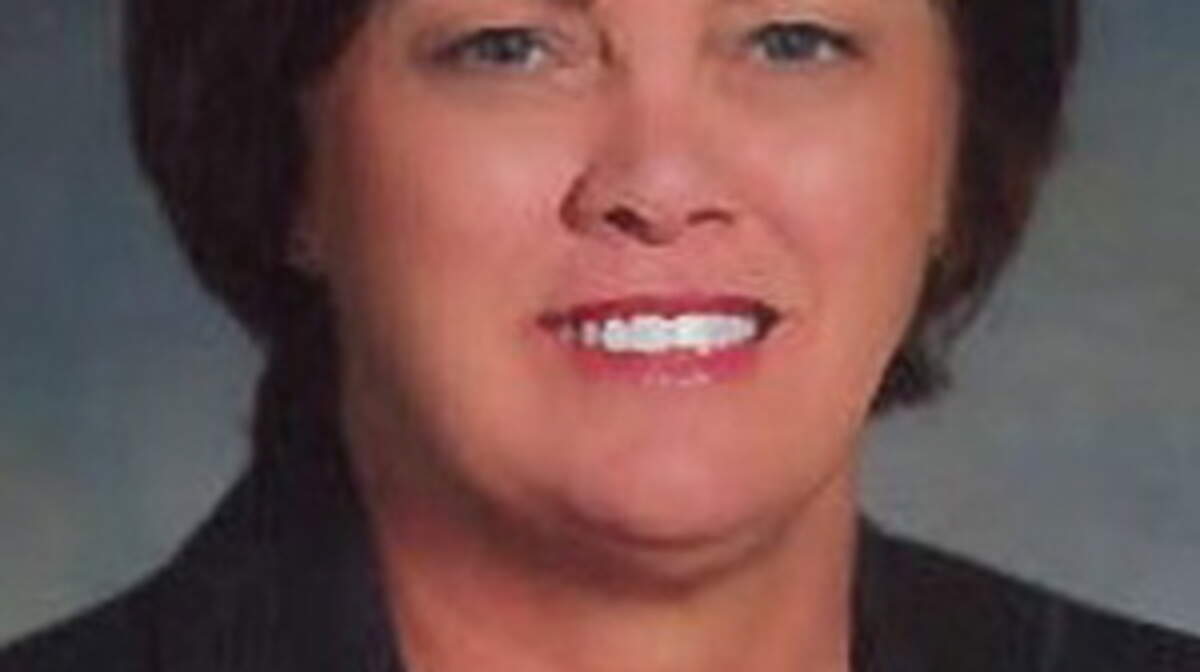
Residence: Bonaire
Occupation: Assistant superintendent for school operations, Houston County Board of Education
Q: Are Houston County schools doing anything to prevent bullying?
A: We have a policy in place to help prevent bullying. It's for the overall sake of the students, and it's because we know everyone learns better when they feel safe. We had anti-bullying policies and training in place even before they were state-mandated.
Q: What does the policy entail?
A: It outlines training to prevent bullying and what to do when bullying happens, plus it describes penalties for bullying. Our goal is to get students information as young as possible. We want them to always feel comfortable reporting bullying they or a friend might experience.
Q: How does training happen? Who gets it?
A: We start in summer when superintendents and principals meet, then they're responsible to training their staff -- everyone from other administrators to lunchroom workers to teachers to counselors to bus drivers.
Q: Then to students?
A: Students are educated about bullying in August and parents get information and training by early September. Teachers have required information they give students in a presentation but tweak it to suit their grade level. The policy is posted and in student handbooks.
Q: Does it stop there?
A: No. Teachers discuss bullying throughout the year and make it part of lessons. But through the year it's more on a personal, conversational basis. Education happens best in a good relationship between students and teachers, so we foster that and let the anti-bullying message work there.
Q: What are some elements of the training?
A: To me, the biggest part, or at least main goal, is for the kids -- and I say kids loosely from primary to high school -- that they know they have a safe person to talk to and report bullying to. It would usually be their teacher but it may be an administrator or it could be their bus driver. They need to know they can come to us and we will take it seriously and do something. The investigation is done by administrators but starts by telling anyone.
Q: So students are encouraged to report bullying whether it's toward them or classmates?
A: Absolutely. And we stress it's not a matter of being a tattle-tale. Reporting bullying is helping someone stay safe.
Q: Do you give tips on how to respond to bullying?
A: Our main point is that they tell someone and get help. It's up to the investigator to sort out what's officially bullying and what isn't. We want the student to know how important it is they tell us. Then we'll do whatever we can to stop it, prevent it from happening again and to help them get over being bullied.
Q: Is bullying a major issue in Houston County?
A: It's an issue everywhere and, of course, if you're being bullied it's a major issue. But we don't have a major outbreak or epidemic. I guess bullying has been around forever and in the past was kind of ignored. The big thing now is how bullying works with technology and social media. That's a big issue. When I was in school bullying was face-to-face. Now kids may say and initiate things online they never would in person. A lot of the issues we deal with involve social media.
Q: Has social media expanded school responsibility beyond school hours, games and extracurricular activities?
A: There's a lot of responsibility placed on educators now, not just in the school day but around the clock.
Q: How does the system define bullying? In common terms?
A: In plain terms, if something is done to another person that makes that person fearful, unsafe or uncomfortable with what's going on, or if they have been harmed, that's bullying. They need to report it. I have a bit of personal awareness because my son was in school in a wheelchair with muscular dystrophy. Thankfully, he had a great experience, but as a parent it just killed me to think he might get picked on or made fun of. That really drilled into me how important this is.
Q: We never addressed parents -- how are they trained, what's their role?
A: We send letters home and use open houses and parent-teacher meetings to help educate them. And again, it's in the student handbook. We stress the importance of parents monitoring their children's social media. A child may say something there they don't even realize is harmful, and parents can let them know it is.
Q: How about bullies? What are the penalties?
A: We use progressive discipline with consequences such as counseling and disciplinary action appropriate to the circumstances. On the third offense in a year, it's mandatory students grades 6 to 12 be assigned to alternative school. Elementary students may get 30 to 45 days, middle and high school students a semester or a year. Parents are informed all along about the problem. Our goal is to work with them to keep them in school, not get them out of school.
Answers may have been edited for length and clarity. Compiled by Michael W. Pannell. Contact him at mwpannell@gmail.com.
This story was originally published November 3, 2015 at 6:49 PM with the headline "Q&A with Michelle Masters ."