
Q&A with Tara Johnson
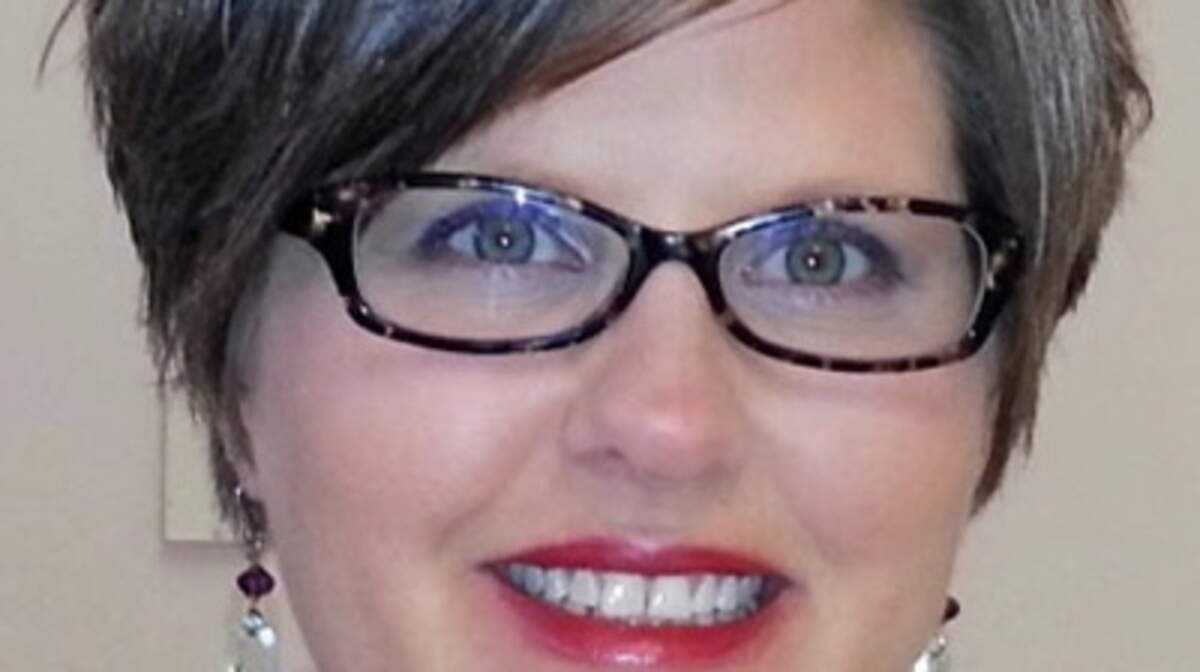
City of residence: Byron
Occupation: Community outreach director, the Alzheimer’s Association, Georgia chapter
Q: Briefly, what is Alzheimer’s?
A: It’s a disease of the brain -- a form of dementia -- where you see a decline in memory, in problem solving abilities and in other cognitive skills. Alzheimer’s makes up 80 percent of all dementia.
Q: How many are affected in central Georgia?
A: There are 5 million sufferers across the U.S. and the most current figures we have show there are 130,000. There are about 20,000 in the 26-county region we serve in central Georgia.
Q: As a leading cause of death in the U.S., how does death occur from Alzheimer’s?
A: It’s often in conjunction with a related diagnosis, but with Alzheimer’s you run into the problem of the brain not functioning so you may forget to eat or even swallow. The brain may lose the ability to tell the body to do the things it should to sustain life. And it’s not just related to memory. Besides memory, the brain also works to cause unconscious actions like breathing. The brain can lose that function or the ability to tell limbs how to reach or walk so the patient may end up bedridden.
Q: With the devastating impact on individuals and families physically and emotionally, do some remain unaware that it’s Alzheimer’s that’s the cause of their ills?
A: Yes, there are many like that. There are many with Alzheimer’s and they or their family aren’t aware of what’s really going on. That’s why we work to communicate the warning signs. They include things like not being able to recall names or places, being confused, the inability to plan or solve problems or complete familiar tasks. Things like losing track of time and dates and what year it is or decision-making skills and mood changes. There’s a good list and other information at http://www.alz.org.
Q: Aren’t some of these natural with aging -- or for some at any age?
A: They are, and that’s part of the problem. It’s a matter of degrees and on the site there are some of the common memory lapses versus indicators of Alzheimer’s. There’s a difference between making an occasional bad decision and thoroughly losing the ability to make decisions, much less good ones. There’s a difference between missing a monthly payment versus the inability to manage a budget at all. There’s a difference between forgetting what day it is or what time something is versus losing track of the year or season. It’s these sorts of things that show something is going on. Trouble remembering a particular word for the moment versus trouble having a conversation at all.
Q: How does it rank in causes of death?
A: Alzheimer’s is the sixth leading cause and among the top 10 it’s the only one that can’t be prevented, slowed down and there’s no cure.
Q: How about research?
A: Part of what we do is raise money, some of which goes to research and some to local services. We lobby for increased funding for research and recently had a bill pass that increased federal funding for Alzheimer’s research. There’s progress, but there’s a long way to go. The need is skyrocketing as the large population of baby boomers continues to age.
Q: What are some local services you mentioned?
A: They’re many and varied and there’s never a cost to those who receive them. They include things like classes for those with the disease, families and professional caregivers. There are sit-down consultations one-on-one and with families that cover anything from legal matters to financial issues and pretty much anything people are struggling with. We want to help give direction and can help people navigate and cope in a variety of areas. We also have a program to locate and identify Alzheimer’s patients who wander and are lost. There’s also a 24/7 hotline people can call for information and direction from a live person. It’s 1-800-272-3900.
Q: To that end, your Walk to End Alzheimer’s is soon. Details?
A: It’s this Saturday at the Retreat at Southern Bridal Farms from 5 p.m. to 9 p.m. Some people may know that as the old Henderson Village, south of Perry near the U.S. 41-Ga. 26 crossroads. There will be a walk to remember those who are no longer with us and to celebrate those we do have. Individuals raise funds for the short walk or there’s a $10 donation for the evening’s food, music and candlelight ceremony. There’ll also be a kid’s play area.
Q: If someone suspects Alzheimer’s, what should they do?
A: We recommend they contact their doctor and contact us. We’re eager to help from the very beginning rather than just at the end. We can help educate and provide support though every stage.
Q: How can people contact the association?
A: We’re at 478-746-7050. You can also find us from the national site, www.alz.org.
Answers may have been edited for length and clarity. Compiled by Michael W. Pannell.