
City survey shows Macon residents are struggling with trauma. What’s being done to help?
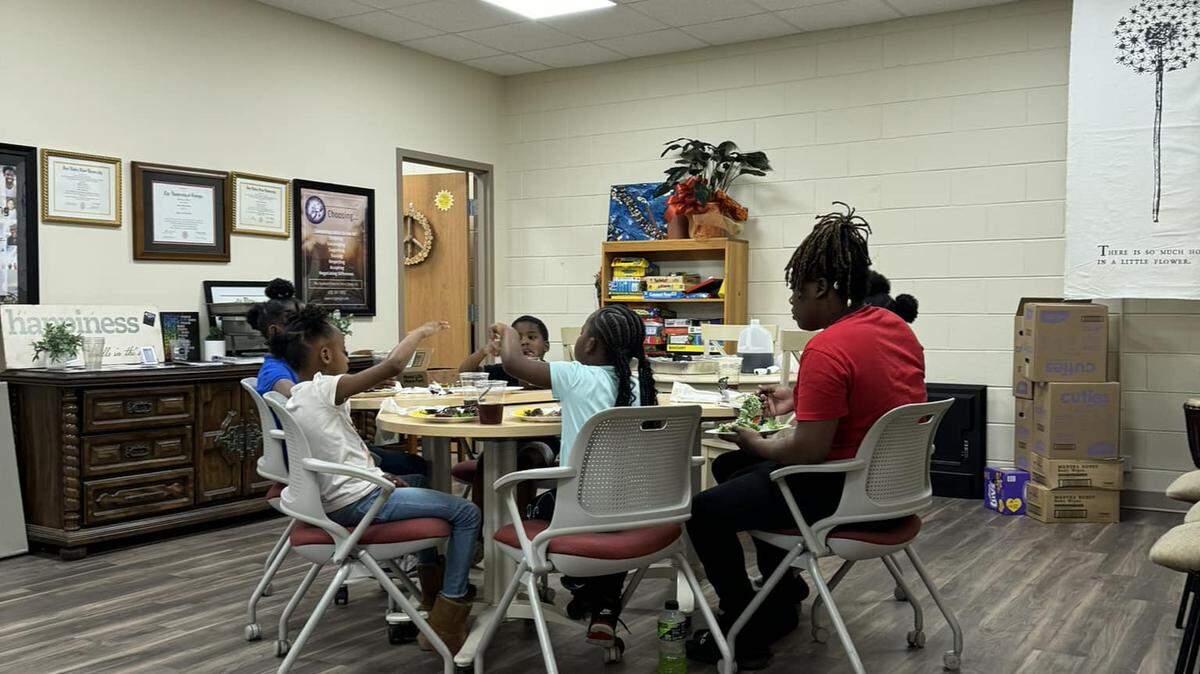
A mental health survey conducted by the Macon-Bibb County government and Macon Mental Health matters found Maconites are suffering from significant levels of trauma.
The survey, which opened in June and had its results released Monday, is known to mental health professionals as an adverse childhood experiences study. It a short series of questions meant to examine childhood trauma and its potential impact on adults’ lives. It asks about experiences including divorce, mental illness, abuse, incarceration and addiction.
After answering, respondents are scored on a scale of 0 to 10, with 10 indicating more trauma. Macon Mental Health matters calculated a community score, which is an average score of all respondents. Macon’s community score came out to 4.07 out of 10.
A score of four indicates significant trauma. People who score a four are significantly more likely to die by suicide, struggle with depression and suffer from substance abuse than people who score zero.
What does the score mean?
Andrea Cooke, director of Macon Mental Health Matters, said ACE scores are important because adverse childhood experiences leave people with trauma that affects them well into their adult lives. Macon’s community score shows that residents tend to suffer from more trauma that may worsen their outcomes.
Among the most common traumas for Maconites were divorce and physical and emotional abuse.
The survey also found that some areas of Macon are suffering more than others.
While the survey was anonymous, it did ask respondents to enter their zip code. The zip codes with the highest ACE scores – indicating the highest levels of trauma in Macon – were 31204, 31201 and 31210. These area codes primarily cover downtown and portions of east and north Macon.
Shameyrae Miller, a licensed marriage and family therapist who spoke on the results, said adverse childhood experiences can be especially prominent in Black communities and communities with high poverty rates. About 24% of people in Macon-Bibb County live at or below the poverty line, according to the U.S. Census Bureau, and about 53% of residents identify as Black or African American.
“There are some African American communities where there are life stressors and there are many societal messages received by individuals in that community,” Miller said. “There are traumas that started way back in slavery that were just passed down from generation to generation.”
What is being done about the score?
One of the major goals of collecting the data was to improve mental health services for Macon residents. While no concrete plans have been unveiled yet, Cooke and Macon-Bibb County Mayor Lester Miller said the city and its partners are working on ways to implement the data.
Christele Parham, a committee member with Macon Mental Health Matters, said the organization will be announcing more projects and initiatives in the next year that are informed by the data collected.
Cooke said she feels the data will allow Macon Mental Health Matters to offer tailored resources to individuals and communities. Additionally, she hopes that making it publicly available and sharing it with the city will enable other groups to help combat trauma and mental health issues.
“We’re making this available for the entire community,” said Andrea Cooke, director of Macon Mental Health Matters. “We hope that it informs the work that other agencies are doing to address trauma from a holistic perspective.”
The city also wants to offer more assistance, with an emphasis on resources that Macon residents can access in their homes or neighborhoods so they don’t have to go to a single location for help. Miller said he hopes these strategies will improve the wellbeing of Macon, particularly for children and families.
“It’s about changing the lives of our many [children], parents and community members,” Miller said. “We need to meet people where they’re at.”
This story was originally published August 1, 2024 at 11:42 AM.