
Early blooming concerns gardeners, insect geneticist
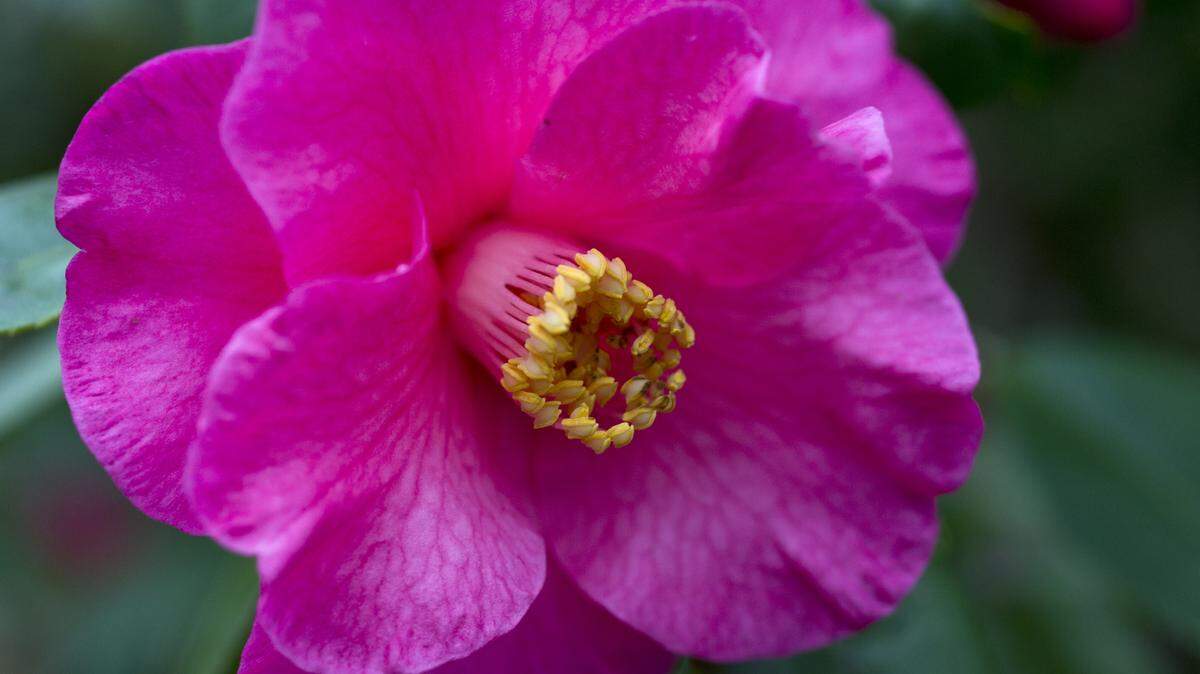
Apparently confused by the recent unseasonably warm weather, some flowers in Middle Georgia are bursting with color well in advance of when they're due to bloom this spring.
After the wettest and one of the warmest Decembers on record in Macon, the only snowballs around are the ones blossoming in midstate yards and gardens. Camellias, azaleas and forsythias, all spring bloomers, have been coaxed out of hibernation by the warmth of winter.
Connie Baker, a member of the Master Gardeners of Central Georgia, said she expects the premature blooming will make for a less than stellar spring.
"Spring is not going to be very pretty," Baker said. "It takes a long time for these plants to produce these buds that are waiting for spring to open. If they open now, that means there'll be no buds opening in the spring."
Though some other varieties of cherry trees are blooming in the midstate, the Yoshino cherry blossom trees, the prized flora of Macon's annual International Cherry Blossom Festival, appear to be reserving their pink petals for springtime.
"So many things have been tricked into opening up, but it's like they're waiting, they're not sure," Baker said of Macon's signature trees.
The city of Forsyth could possibly have less yellow during its annual Forsythia Festival in March. Some of the tiny yellow flowers are budding already, which is one of the first signs of spring, Baker said.
Lindsey Childs, events manager for the Forsyth-Monroe County Chamber of Commerce, said any early bloomers wouldn't put a damper on the festival.
"People are constantly getting new forsythias and planting them," Childs said. "There's not a lack of forsythia decor. ... It's a big community thing."
While the premature blooms pose no apparent threat to local springtime festivals, Baker, a lifelong resident of Macon, said she's concerned about the unusually warm weather and what effect it's having on animals.
After seeing some cardinals trying to make a nest, Baker said she became upset because she didn't want them to lay eggs.
"That was the strangest thing that I have seen," Baker said. "Squirrels are chasing each other like they're wanting to start mating. I'm expecting hummingbirds to show up any day."
Matt Sena, meteorologist for the National Weather Service in Peachtree City, said this weekend will be cooler, but there's no signs of lasting cold weather on the immediate horizon.
"Although it's going to feel much cooler because of the last week and a half, we really sort of trend back towards warmer," Sena said, adding that this weekend's forecast includes lows of 30 to 40 degrees. "Obviously when we've been high in the 70s and lows in the 50s and 60s, that's going to feel pretty cool."
Tracie Jenkins, a retired entomologist and insect genetics professor from the University of Georgia, said she's concerned about the effect the warm weather will have on bees and other insects that are dependent on the flowers that are supposed to be here during the spring, not winter.
"The pollinators will be there, but will the blooms be there?" Jenkins said.
Short-term, Jenkins said she expects there won't be as many blooms in the spring. But over the long run, Jenkins said she's worried about the impact on natural cycles.
"Everything is coordinated in nature because we are interdependent on everything else," Jenkins said. "Things may eventually catch up with each other because we are warming. ... But there's a delay. If the insect isn't there to pollinate the plant, then you're not going to make as many plants. Flowers are dependent upon their pollinators."
To contact writer Laura Corley call 744-4334 or follow her on Twitter @Lauraecor.
This story was originally published December 31, 2015 at 6:45 PM.