
Houston County government is a major timber grower
Whoever is serving on the Houston County Commission in 30 years may appreciate an expense the board approved recently.
The commission voted to spend $79,120 to plant 368 unused acres on the south end of the landfill in pine trees.
Board members acknowledged they probably won’t be around to see the payoff.
“You are investing for the future of this county, and that’s what you are supposed to be doing,” commission Chairman Tommy Stalnaker told commissioners before the vote.
If the tract was ready to be clear-cut today, the timber would bring roughly $550,000, said Gary White, a forester with the Georgia Forestry Commission. That’s not counting two thinnings that would typically happen over the life of the trees, each bringing in smaller amounts of revenue.
Overall, he said, planting pine trees is a good investment, not to mention that it helps the environment.
“It really does make a whole lot of sense to go ahead and put it back into trees,” he said.
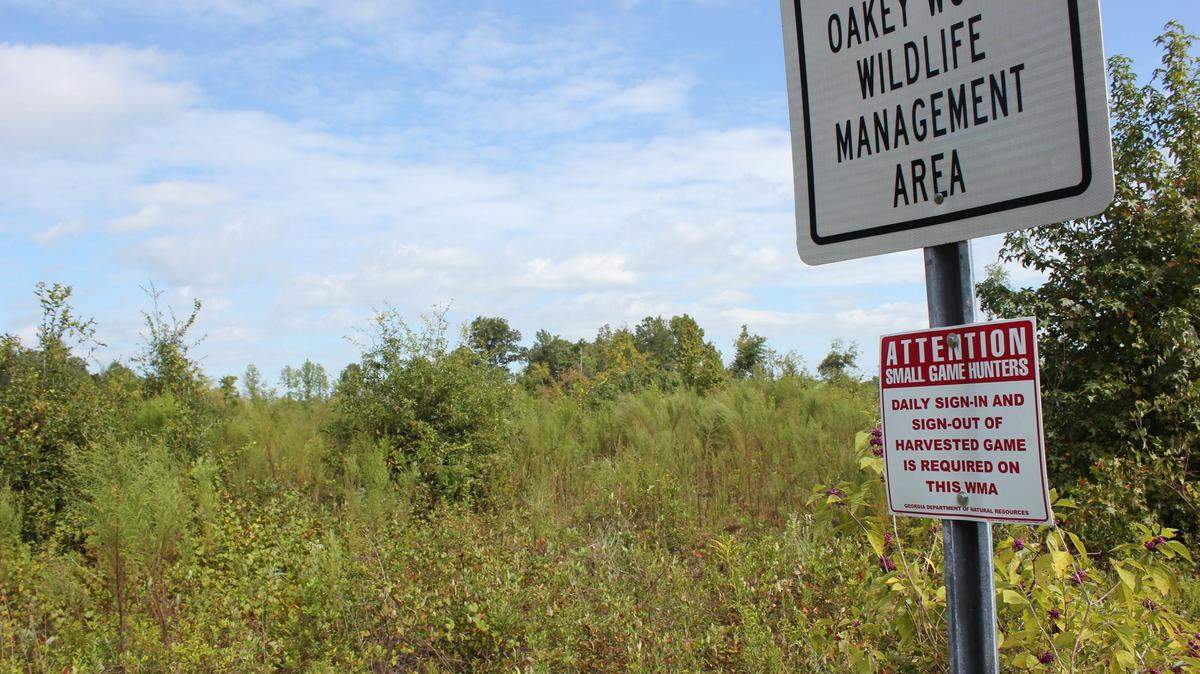
The landfill property actually makes the county a large timber grower in the area. The total tract is 2,600 acres, and about 2,200 acres is planted in pine trees. Under a lease agreement with the state, it is part of the Oaky Woods Wildlife Management Area.
“We really are in the timber business as well as the landfill business,” Stalnaker said.
Most of the landfill property was planted in timber, held by various owners, when the county bought it in segments over a period of years. That timber largely has been left untouched since the landfill opened in 1987.
The 368-acre tract to be planted was different from the rest of the landfill property because that owner held the timber rights on it until it was clear-cut a couple of years ago. But now the timber rights revert to the county, so it will own the trees to be planted.
Terry Dietsch, the landfill manager, said the only other tract that has been cut is 50 acres near the landfill. That brought in $100,000, but it won’t be replanted because it will be part of future landfill expansion. The tract to be planted is well away from the landfill and won’t be used as part of the landfill.
Dietsch said this will be the first time the county has planted pine trees on the landfill property. In the coming weeks, a crop-dusting plane will spray the site to kill off the vegetation that has grown up since the clear-cutting. Sometime between December and mid-March, 222,640 loblolly pines will be planted on the tract.
White said the first thinning would come in about 15 years, then another thinning a few years later. Then it would typically be clear-cut in 30 to 35 years. But pine trees can live much longer than that, he said, so the county could hold on to the trees for decades.
Dietsch said most of the trees on the landfill property could be harvested now, but the county would rather leave it as forest. However, if the landfill ever was in a pinch for money to buy new equipment, the trees offer a quick potential source of significant revenue.
The landfill is an enterprise fund that is self-sustaining by charging per-ton fees for garbage hauled to the facility. It also generates revenue from a power plant that converts methane into electricity. The cost of planting the trees is coming out of the landfill fund, and any revenue from timber harvests goes back to the landfill fund.
The county may expand the multi-use nature of the property even further. Stalnaker said the county has discussed putting a fishing lake on the property for years.
“It’s a matter of when we have enough money set aside to build it,” he said.
To contact writer Wayne Crenshaw, call 256-9725.