
Georgia gas rule expected to change
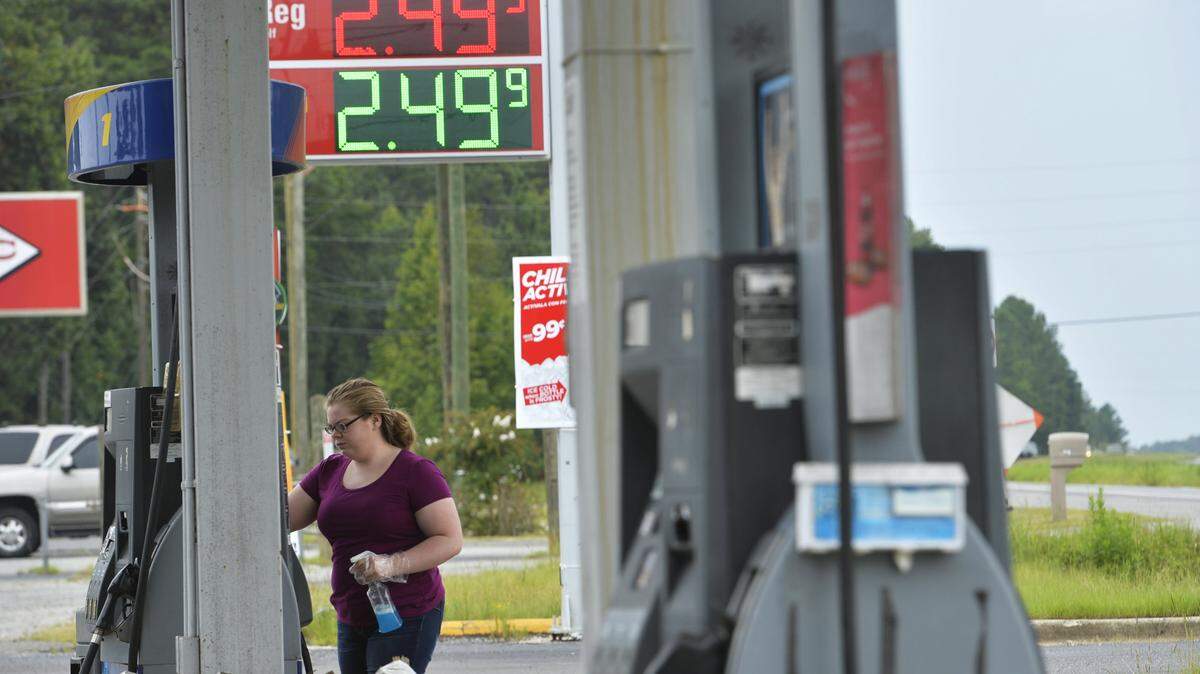
A rule requiring fuel stations in 45 counties around Atlanta to sell a special and more expensive blend of gasoline in the summer will soon be reduced to only 13 counties in the metro area.
That change would allow for prices at pumps in Monroe and Jones counties to be on a more even playing field with Bibb County, which sells less expensive gas.
The Gasoline Marketing Rule, which took effect in 2003 under Georgia’s Rules for Air Quality Control, requires gasoline suppliers in those 45 counties to sell a boutique blend called “Georgia gas” during the peak ozone season from June 1 to Sept. 15. The rule was repealed in March 2014 by the Georgia Department of Natural Resources Board and, two months later, the state Environmental Protection Division announced it no longer planned to enforce the rule.
However, because the rule is still a part of Georgia’s State Implementation Plan, it remains federally enforceable by the U.S. Environmental Protection Agency.
“We repealed the rule (in February), but it’s a two-step process,” said William Cook, a state EPD manager who oversaw the rule from 2006 until this past March. “What we’re doing right now is working through the process to get that removed (from the state implementation plan). We’re almost at the very end.”
State EPD officials say they expect the lower prices for counties such as Jones and Monroe by the start of the next summer driving season.
Since the rule was put in place, Cook said, federal fuel became cleaner and the state felt it was equivalent to the so-called “Georgia gas.”
“Basically, we thought the best thing to do for the citizens of the state was to repeal the rule since it wasn’t getting the air quality benefits that it had originally,” Cook said. “There was a period of time when we really needed those (rules) until the federal fuel caught up.”
Cook said “Georgia gas” costs suppliers anywhere between 15 and 18 cents more per gallon than regular gasoline.
Megan Kowalczyk, who lives in Jones County and works at computer store in north Macon, said she fills up her tank at the Murphy Oil gas station on Gray Highway.
“The prices usually stay pretty current or less than average,” Kowalczyk said of the station she buys from. “The other day it was like $2.09 and everywhere else was like $2.22. Jones County is always higher ... I think they’re in the $2.30s.”
Kowalczyk figures she has bought gasoline only once in Jones County in the past three years.
Jim Tudor, president of the Georgia Association of Convenience Stores, said the rule has long put gas stations located in counties on the fringe of the 45-county area at a cost disadvantage because drivers are buying outside of the area. Tudor said store owners in Jones and Monroe counties have contacted the association about the issue.
“It’s been an ongoing challenge,” Tudor said. “(The disadvantage) is in your cost, so you do one of two things: You either have to reduce your retail to be competitive, which means you’re going to eat that cost ... The second option is to be priced higher, but you lose business because the customer, in many cases, may be coming to Macon anyway to shop because there’s more shopping opportunities in Bibb.”
Tudor said Jones and Monroe counties are in a unique position because of their proximity to Bibb County, a major market with more gas stations and more people.
“We had hoped that (the EPA) would have gone ahead and acted on it by now,” said Tudor, whose association represents about 1,500 convenience stores in Georgia.
EPPS SAYS PRICE DIFFERENCES HAVE HURT JONES, MONROE ECONOMICALLY
Gas station owners in Jones County also complained about the rule to county commissioners, who contacted members of the delegation including Rep. Bubber Epps, R-Dry Branch.
“(The rule) had a huge impact on the revenue stream in Jones County,” Epps said. “I think just because of these higher gas prices over the last eight to 10 years, there’s been a significant revenue loss as far as sales tax for Jones County ... I’ve had some individual conversations with commissioners in Monroe County that expressed the same concerns ... about basically disenfranchising those merchants that had to compete in the marketplace with areas that were not affected by this rule.”
Epps, who represents the part of Jones County where it touches Twiggs and Wilkinson counties, said Jones and Monroe counties will be immediately impacted by the change.
“I think you could see gas prices in Jones and Monroe counties become more competitive with those surrounding counties that are not affected by this status,” Epps said. “I think you’ll see an immediate impact as far as revenue stream and sales tax revenues to local merchants, which in turn will mean a greater revenue stream for local governments.”
When asked when the rule was expected to be posted to the registry, the EPA’s response didn’t include a timeline.
While Cook couldn’t say for sure when the rule would be removed, he said he expects it will happen within a few months because of pressure from gasoline refiners.
“Refiners are going to know very quickly whether or not they’re going to have to gear up and get the chemicals and understand what they’re going to have to do for the refinery process (and) whether they’re going to have to supply Georgia gasoline again in the 2016 season,” Cook said. “My understanding is EPA is going to want to act on this before the refiners have to make those final decisions.”
After Sept. 15, the end of ozone season, price gaps in fuel between Monroe and Bibb counties will shrink but not vanish, Cook said.
Macon and Athens are the only two cities in the state that have fuel terminals where regular and Georgia gas are stored for distributors, Cook said.
“I’ve looked at prices around Bibb County and the surrounding areas. ... Typically stations in Macon will have the cheapest prices within this region,” Cook said. “(Bibb County fuel stations) are close to the terminals, so there’s not much of a transportation cost.”
Though fuel prices in Bibb County may remain cheaper than those in Jones and Monroe counties, Cook said they’ll be more comparable.
“Next summer, the same fuel being sold in the Macon-Bibb area will be the same fuel that’s going to be sold in Monroe, (Jones) and in most of the other 45 counties except for the 13 in metro Atlanta,” Cook said.
To read the proposed rule on the Federal Register, visit https://goo.gl/SSLBCv .
To contact writer Laura Corley, call 744-4334 or follow her on Twitter@Lauraecor.
This story was originally published August 28, 2015 at 6:45 PM with the headline "Georgia gas rule expected to change ."