Is it OK for a GA power company to shut your heat off in winter? What the law says
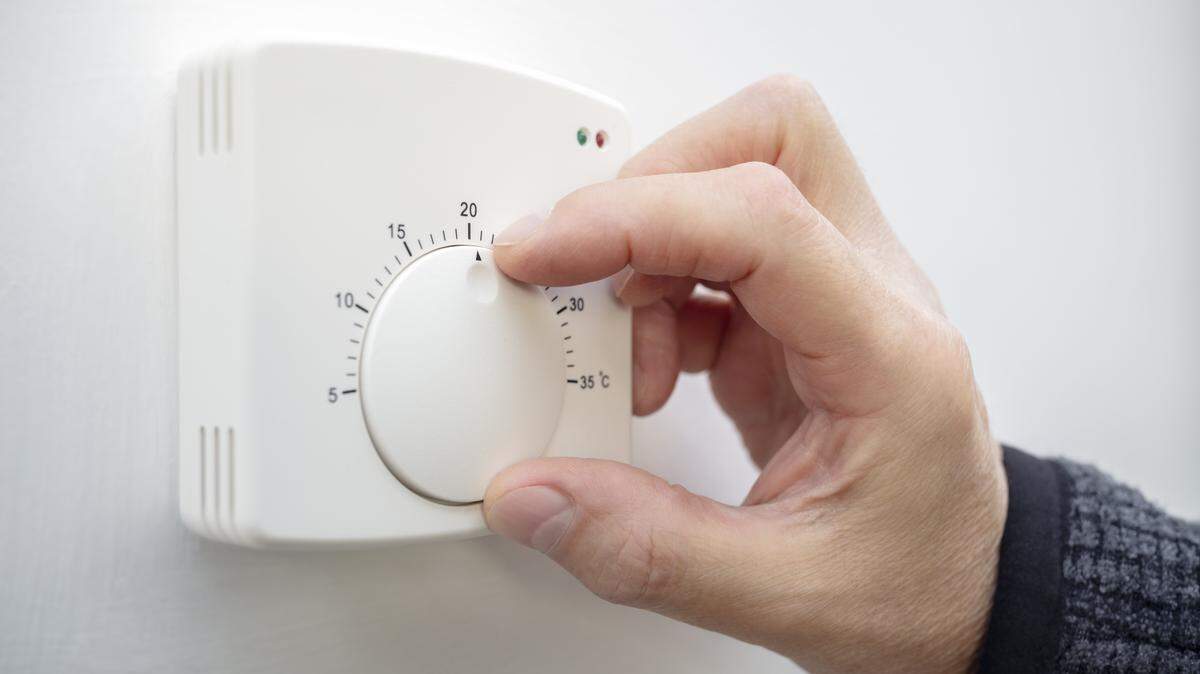
Temperatures have already dipped below freezing in Georgia and there’s more frigid weather coming. So, it’s time to get your blankets ready and turn up the heat in your home.
Of course, that’s easier said than done for some because electric bills in the winter can skyrocket just from trying to keep your home at a comfortable temperature inside.
Well, what happens if you’re late on a bill during a cold blast? Can a company shut you off even when it is super cold outside? Here’s what to know:
Can your heat be shut off in GA in winter?
According to Georgia Rule Rule 515-3-2-.04, a utility company can’t shut off your service for an unpaid bill between Nov. 15 and March 15 if: “The forecasted local low temperature for a 24-hour period beginning at 8:00 A.M. on the date of the proposed disconnection is below 32° F.”
However, you may be required to provide a written letter agreeing to pay all unpaid balances after the period of cold weather.
If you are outside these dates and weather is not expected to be below freezing, utility companies are required to make a good faith effort two (2) days before disconnecting your service. This means that they must call you, send you an email or mailed letter letting you know about a possible disconnection of services.
Tips for saving energy and money in the winter
Here are some tips to save energy and money from Georgia Power:
- Remember to insulate. Keep heat where it belongs with proper insulation in attics and walls.
- Focus on the fireplace. Close the flue damper tightly, or leave cracked if it’s a standing pilot light when the fireplace is not in use. Consider increasing fireplace efficiency with a heat-circulating fireplace and chimney adapter system.
- Check outlets. Check for outlets that have loose-fitting plugs, exposed wires or broken plates. Have them fixed by a qualified electrician.
- Let the sun shine in. Keeping the blinds and shades open during the day is a no-cost way to naturally heat your home. Close them at night to reduce the chill you may feel from cold windows.Let it flow. Heating accounts for as much as 50 percent of a home’s typical winter energy usage. Maximize the efficiency of the unit by changing the filters once a month, or every three months for pleated filters. Ensure that heating vents are clear of any obstructions, such as furniture or drapes.
- Replace caulk and stripping. Replace cracked or peeling caulk or weather stripping around doors and windows to save up to 10 percent on energy use.
- Use a smart thermostat. Set your thermostat to 68 degrees or lower and maintain a consistent temperature in the house. Each additional degree has a substantial impact on energy costs. Install a programmable thermostat that automatically adjusts the home’s temperature settings when you are away from the house.
Do you have more questions like this? Let me know in the comments or email me at cmadden@mcclatchy.com.
This story was originally published December 16, 2025 at 10:24 AM.