Experts worry there are gaps in domestic violence awareness at schools, hospitals
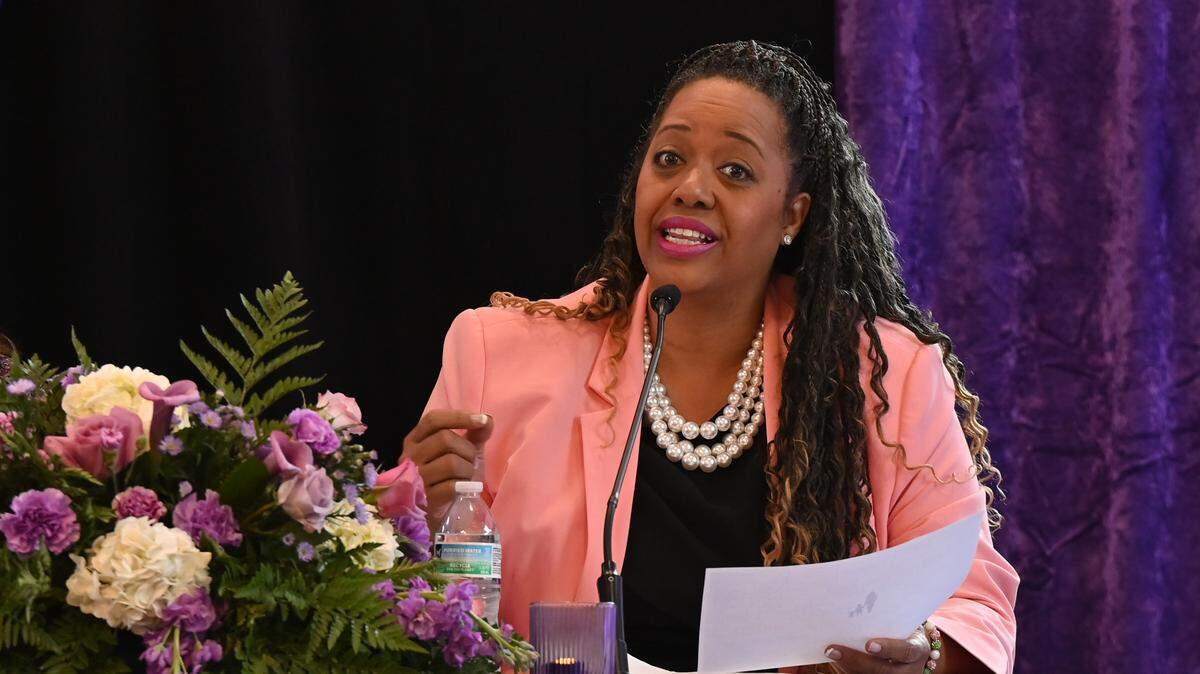
Domestic violence experts speaking in Macon this week highlighted issues with a lack of education and awareness around the signs of family violence .
District Attorney Anita Howard, hosted a symposium on domestic violence Wednesday, which is hosted every year “to commemorate what we have to do as a community to eradicate domestic violence,” she said in her opening remarks of the event, which was held at the Oval Hall on the Wesleyan College campus.
Members of a panel that debunked the myths of domestic violence also pointed out unlikely, but important, places where victims and members of the community can learn about domestic violence — in middle schools and doctor’s offices.
When debunking the myth that pregnancy is the safest time for victims of domestic violence, Jamie Bormann, executive director of Crisis Line and Safe House, said that domestic violence is more common during pregnancy than people might think.
“Each year, 324,000 pregnant people in the United States are battered by an intimate partner, and domestic violence is more common in pregnancy than things like preeclampsia, which doctors are regularly screening for, but how many physicians are screening for domestic violence?” Bormann said.
Victims who are pregnant and experience intimate partner violence are three times more likely to suffer prenatal death, according to Bormann. They are also three times more likely to report depression in the postnatal period than anyone else.
‘We can teach them the signs and red flags’
Domestic violence doesn’t just affect direct victims, but children as well, Jeremy Raines of the R.I.S.E organization said. He told teachers to be aware of kids acting out and looking depressed, which could indicate trouble in their house. Bad grades, getting bullied and being a bully are also indications of issues at home that are affecting their behavioral and development issues.
Assistant District Attorney Amber Cook, who heads the domestic violence unit at the district attorney’s office and moderated the panel, gave an example of one of the cases she was prosecuting, where she was helping a victim of domestic violence get help. The client said her children, who were in their teens, didn’t like leaving her alone.
They didn’t enjoy the lives of regular teenagers, but rather became their mother’s protector, Cook said. However, her younger kids began hitting their sisters, because that’s what they saw their father do, Cook said.
“It’s very important for early education to teach these kids,” Raines said. “We need to have some type of class for these kids nowadays, no matter the age.”
Tomieka Daniel, deputy director of Georgia Legal Services said they have attempted to talk with students regarding dating violence, but schools often turn them down.
“If we reach them as young people, and we can teach them the signs and red flags, then they won’t be victims later on because we have educated them, the girls and the boys, on what not to do, what to look for to keep them safe,” Daniel said.
Sarah Schnack, the director of One Safe Place Macon, a family justice center set to open late this year, encourages parents to have uncomfortable conversations with their children about domestic violence because of their influence.
“When we start talking about things, stigma goes away and more people feel like it’s okay,” Schnack said.