Copperheads on the rise in GA right now. Here’s why & how to stay safe, experts say
Late summer brings even more intense heat and humidity to Georgia and as if we didn’t already have enough to battle outdoors, there’s one critter that is surging even more now.
Copperheads can be seen all over the state during the summer months and into early fall because it is mating season for the critters.
Here’s what else to know about copperheads in Georgia:
What copperheads look like
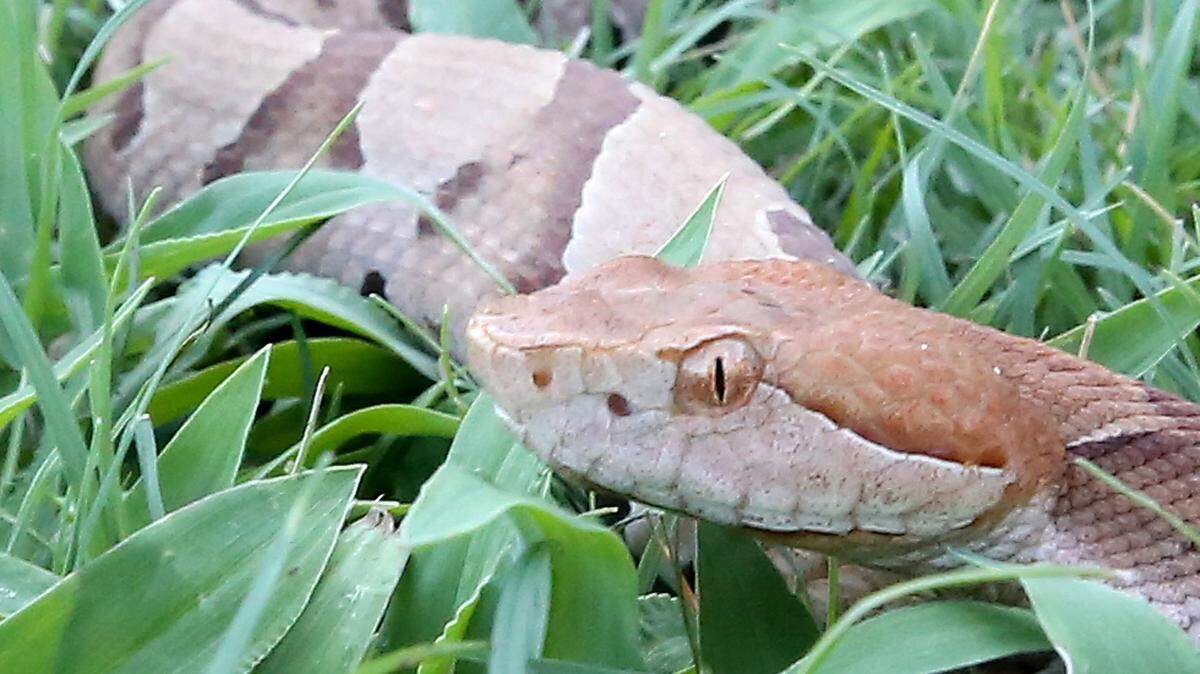
According to the Georgia Department of Natural Resources website: “Copperheads are well known for their camouflage colors of brown tones. They are thick snakes with keeled scales. The background color is some shade of tan or brown, with darker brown hourglass or ‘Hershey’s Kiss’ shapes overlaid.”
Copperheads also have a golden or coppery-colored head, which makes it distinctly stand out from other snakes.
Why copperheads are on the rise right now
While hot weather and mating season are huge factors in more copperhead sightings, there are also a number of other reasons why they are on the rise right now.
A copperhead’s habitat is pretty much anywhere and in Georgia, there are plenty of wooded areas, bodies of water and mountainous places for copperheads to hide and thrive.
In addition, Georgia’s climate (other than its heat), makes for a cozy home for copperheads, especially when there has been an abundance of rain or some flooding, which Georgia residents have been familiar with as of late.
National Geographic experts even say humans are to blame for excessive snake encounters as well as increased recorded bites among children.
“Experts have speculated that human-created conditions like habitat loss, urbanization and climate change have pushed venomous snakes into suburbs and farther north,” said Sarah Gibbens with National Geographic.
Echoing this statement are Perimeter Wildlife Control experts in Woodstock, Georgia, who stated that things like construction and deforestation cause snakes to move into more human-populated areas like newly constructed subdivisions with creeks.
Perimeter Wildlife Control experts also noted that rodent populations as well as certain landscaping components such as woodpiles or decorative water features attract snakes.
What to do if bitten by a copperhead
Here’s what to do and not do, said the Georgia Poison Control Center:
DO the following:
- Keep still and stay calm
- Remove all jewelry and tight clothing
- Note the color and shape of the snake and what time the bite happened
- Wash the bite with soap and water and cover the bite with a clean, dry dressing
- Call the GPC at 1-800-222-1222
DON’T do this:
- DO NOT pick up the snake or try to trap it
- DO NOT apply a tourniquest or attempt to restrict blookd blow to the affected area
- DO NOT cut the wound
- DO NOT attempt to suck out the venom
- DO NOT apply heat, cold, electricity or any substance to the bite
- DO NOT drink alcohol or caffeinated beverages
- DO NOT take any drugs or medicines
Tips to stay safe from copperheads
If you encounter a copperhead while out or on your own property, the most important thing is to stay calm. Call your local animal control center if you think the snake is venomous
Here are tips to keep copperheads out of your yard:
- Keep grass trimmed low and bushes pruned
- Remove woodpiles, rock piles, and debris
- Repair holes in foundations, vents, and walls
- Get rid of rodents — fast
Have other questions? Let me know in the comments or email me at cmadden@mcclatchy.com