
Is mental health improving for Macon residents? This survey says so
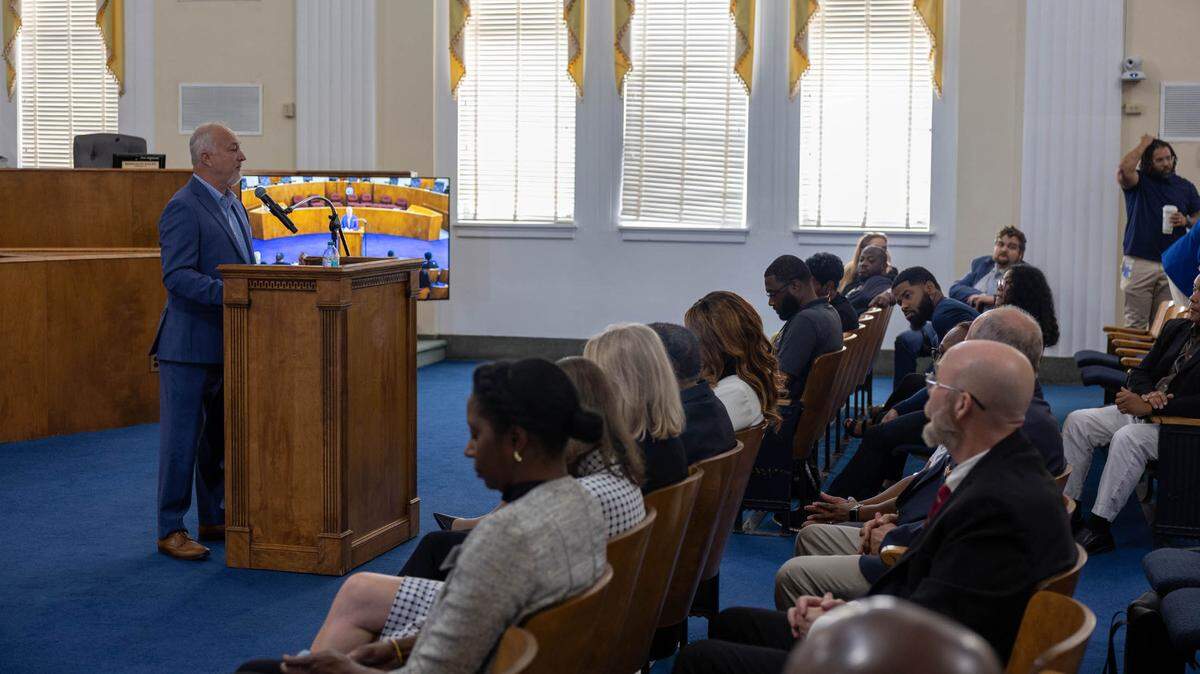
Maconites’ mental health is improving, according to the results of an annual survey shared by the county Thursday.
Macon Mental Health Matters presented the results of its annual Adverse Childhood Experiences survey, showing an improvement on the average score from last year. The survey consists of a questionnaire that goes out to participants across counties in Middle Georgia to measure how trauma experienced in childhood, known as adverse childhood experiences, impacts the community.
The questions ask about various types of trauma including domestic violence, sexual assault, divorce and drug and alcohol addiction. Officials said during their Thursday presentation at City Hall that they hope to use the results to create more resources and policy to support mental health, and to raise awareness about mental health as a public health issue.
“Adverse childhood experiences affect all of us. You can’t reduce the number of ACES once you’ve experienced them,” said Macon Mental Health Matters development director Andrea Cooke.
In addition to showing better mental health results, the 2025 survey also got more respondents than last year’s iteration.
The survey results include an average ACES score, which represents the average number of adverse childhood experiences someone in Macon-Bibb County has experienced. The higher the score, the more trauma in the community.
This year’s average score for Macon-Bibb County residents was a 3.53, down from 4.07 in 2024. A score over four indicates a higher probability of risky behavior and greater health concerns.
Within the county, the areas with the highest scores were around southwest Macon. The 31206 zip code logged the highest score, falling around 4.31.
Cooke said this year’s survey also saw more responses from wealthier neighborhoods in Macon. Many of those scores also showed significant rates of trauma, despite being from places with more money and resources.
“I think that there’s an opportunity to continue the partnerships and the work in the community,” Cooke said.
While officials said it’s hard to determine the exact cause of poor mental health, survey respondents cited crime, violence, poverty, a poor education system, homelessness and a lack of resources as having an impact on the community.
Macon-Bibb County Mayor Lester Miller said the county plans to use these numbers when making policy decisions in the future in hopes of addressing root causes of trauma and poor health in the community.
“We look forward to growing that each and every year so we can learn more about how we can allocate resources and address those root causes … so we can make our society a better society for everyone,” Miller said.