Family seeks $60 million in lawsuit after woman was killed in Macon train crash
AI-generated summary reviewed by our newsroom.
- Family of Cheryl Rawls files $60 million lawsuit after 2024 fatal train crash.
- Lawsuit alleges faulty signals, poor roadway design and train operator negligence.
- Crash at Tucker and Forsyth roads prompts scrutiny of intersection safety.
The family of a woman who died after a train hit her SUV in Macon is suing the county, the railroad company, the Georgia Department of Transportation and others for $60 million, the McArthur Law Firm announced Monday.
John Rawls, the husband of 76-year-old Cheryl Rawls, filed the lawsuit June 23 in Bibb County, alleging that defective traffic and railroad signals, missing road markings and the train’s failure to stop after seeing his wife’s 2011 GMC Acadia stuck in between the crossing gates near the intersection of the Tucker and Forsyth roads led to her death on Nov. 15, 2024.
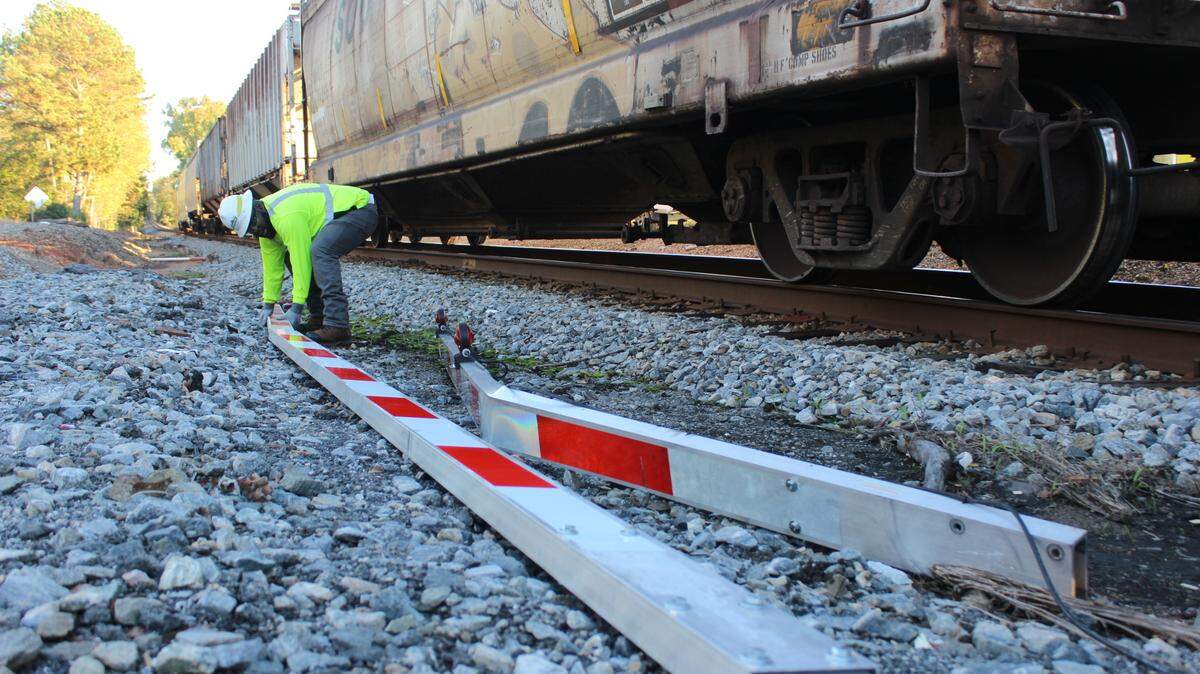
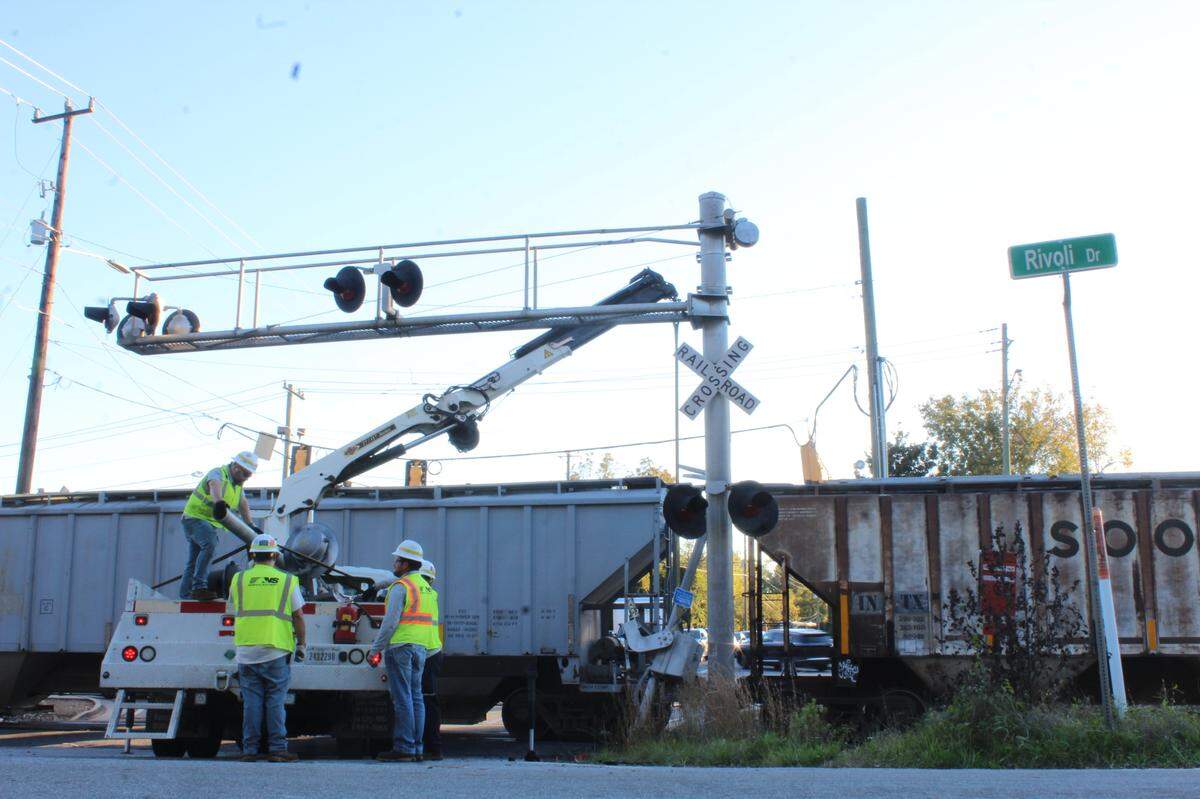
The crash prompted Mayor Lester Miller to order the intersection be closed down after concerns about its design and traffic flow, saying he would consider “permanent changes that can make (the crossing area) safer.” But the intersection reopened after the Norfolk Southern Railroad company studied the crossing area.
Eight people or groups are being sued by Rawls:
- Norfolk Southern Corporation
- Norfolk Southern Railway Company
- Georgia Southern and Florida Railway
- Michael Simmons, an employee of the railway companies
- Jake Windham, an employee of the railway companies
- Georgia Department of Transportation
- John Hayes, director of engineering of Macon-Bibb County
- Tim Wilder, director of the public works department
Rawls wants $50 million for wrongful death and another $10 million in damages, the lawsuit says.
The Norfolk Southern Corporation, which does business as the Norfolk Southern Railway Company and Georgia Southern, declined to comment on the litigation. Macon-Bibb County also declined to comment on the litigation.
How the fatal Macon train crash happened
Rawls was driving her GMC Acadia on Wesleyan Woods Drive as she approached the intersection at Rivoli Drive. After turning onto Rivoli Drive, she stopped at a stop sign before turning onto Tucker Road to cross the railroad, according to the lawsiut.
When the light at Tucker and Forsyth turned green for the traffic heading west, Rawls turned right onto Tucker Road. But as she entered the crossing area, the gates came down on top of her vehicle, leaving her stuck and “rendering her incapable of getting her vehicle off the track,” according to the lawsuit.
The incoming train, which was being operated by Simmons and Windham, accelerated its speed to 41 mph as it approached the crossing, the lawsuit alleges. Even though Rawls and the vehicle were visible, Simmons and Windham allegedly didn’t make any attempts to slow the train, according to the lawsuit. The train then “violently struck” Rawls, the lawsuit said.
“As a result of the subject incident, Mrs. Rawls suffered, among others, the following injuries: skull fracture, nose fracture, subdural hemorrhage, traumatic brain compression with herniation, fracture spine, fractured ribs, pneumothorax, fracture of the right tibia, fracture of the left tibia, fracture of the right femur, and a traumatic brain injury,” the lawsuit said.
“Mrs. Rawls incurred medical bills totaling $171,643.00 known to date.”
She eventually died on Nov. 17, 2024. Her burial expenses cost the family over $13,144, the lawsuit says.
The Norfolk Southern Corporation, as well as Simmons and Windham, are accused of negligence for failing to warn drivers of the hazardous conditions in the Tucker and Forsyth railroad crossing, according to the lawsuit. They’re also accused of failing to provide adequate traffic control to allow motorists to cross the tracks, failing to warn Rawls of the approaching train, operating the train at a high speed and not slowing the train, failing to inspect the crossing, creating an “unsafe crossing for motorists at the intersection given the traffic count,” and for violating the industry standards for safe crossing, the lawsuit said.
GDOT, Hayes and Wilder were also accused of negligence for defective stop bars, roadway markings and signage that didn’t allow motorists to see the markings nor understand the dynamics of the intersection. The timing of the traffic light was also deemed negligent due to it not providing enough time to safely pass the crossing and for the roadway design allegedly not meeting “applicable engineering and design standards because the distance between the two intersections is too short for vehicles to safely navigate the crossing from east to west and enter a very busy highway controlled by a stop light,” according to the lawsuit.