The first GA case of bird flu was reported & there’s no vaccine. Here’s what that means
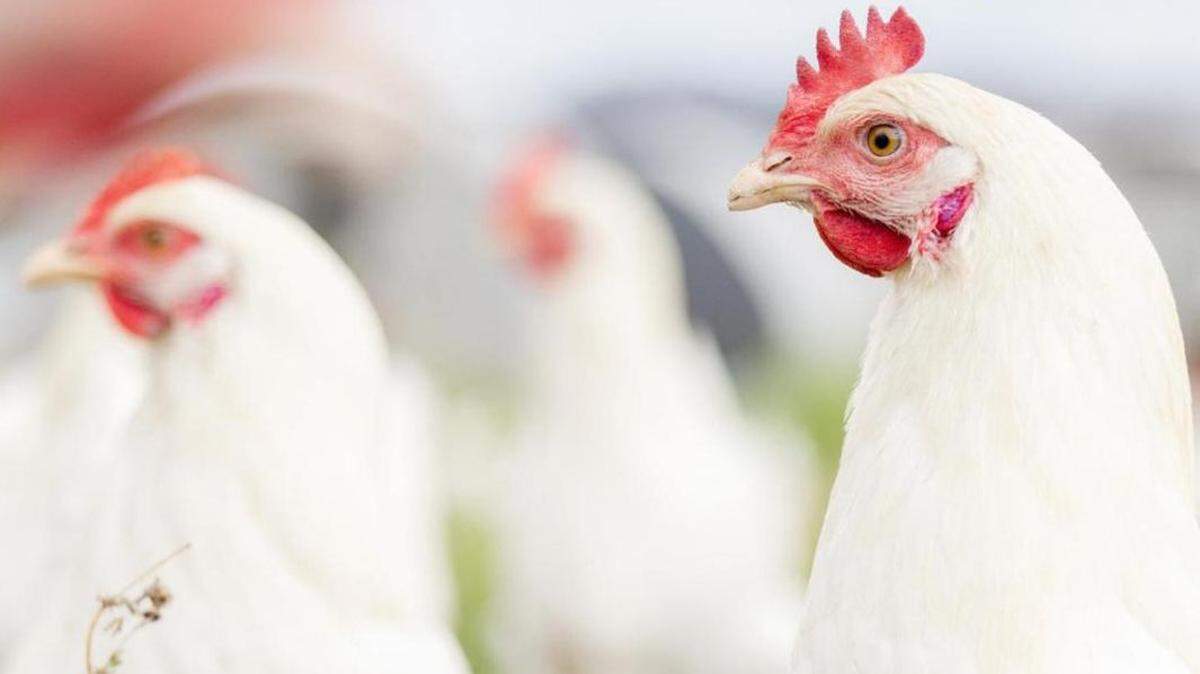
Georgia, and most of the U.S., may be in the throes of a quad-demic, but there is more to worry about with the recently discovered, bird flu, officially known as Highly Pathogenic Avian Influenza (HPAI).
A confirmed case of the bird flu was reported last week in Clayton County, Georgia. This marks the fourth case detected in the state since the nationwide outbreak began in 2022.
The most recent case in Clayton County was discovered in a flock of 13 chickens and ducks near a man-made lake frequented by wild birds and was most likely spread through contact with sick wild birds or their contaminated environment.
As of Wednesday, Jan. 15, there have been no confirmed HPAI cases of Georgia residents, however, the United States has reported 67 human cases since 2022, with 66 occurring since early 2024. The CDC also reported the first confirmed bird flu-related death of a person with underlying health problems in Louisiana.
What are the greatest concerns about the virus?
As one of the nation’s largest poultry producers, Georgia faces significant risks from HPAI. Although the risk to humans is marginal at this time, Georgia Tech warns HPAI could be devastating to Georgia’s poultry population.
“In states that are a major poultry producer, like Georgia, backyard flocks are also extremely common, and we’ve seen outbreaks spread from the home to larger commercial flocks in this manner,” said Wendy White, a food safety and agriculture expert at Georgia Tech.
Risks to wild birds and the poultry industry
- Spread from backyard flocks and wild birds could pass the virus to migratory birds that could then carry it across long distances.
- Restrictions to exporting, costing Georgia’s poultry producers an estimated $300 million since late 2023
- The state’s large poultry population and diverse bird species make it vulnerable to outbreaks that could escalate rapidly
What are the symptoms of bird flu?
Bird flu symptoms can range from mild to severe and typically appear within one to 10 days after exposure.
Here’s a breakdown of common symptoms:
Mild Symptoms
- Eye redness or irritation (conjunctivitis)
- Mild fever (100°F or higher) or feeling feverish
- Cough, sore throat or runny/stuffy nose
- Muscle aches, headaches and fatigue
- Nausea, vomiting or diarrhea (less common)
Severe Symptoms
- High fever
- Shortness of breath or difficulty breathing
- Pneumonia or acute respiratory distress syndrome
- Altered consciousness or seizures
Things you can do to prevent bird flu
There is no vaccine for the bird flu and the regular flu shot is ineffective in preventing this strain of illness.
Some things you can do to lower your risk:
- Wash your hands often with warm water and soap, especially before and after handling food, in particular, raw poultry
- Use different utensils for cooked and raw meat
- Make sure meat is cooked until steaming hot
- Avoid contact with live birds and poultry
What not to do:
- Go near or touch bird droppings, sick birds or dead birds
- Go to live animal markets or poultry farms
- Do not bring any live birds or poultry from other states or countries, including feathers
- Eat under cooked or raw poultry or duck
- Eat raw eggs
What containment measures is Georgia following?
The Georgia Department of Agriculture has implemented strict protocols to contain the virus:
- Depopulation, cleaning, disinfection and disposal of infected birds.
- Biosecurity measures are enforced by staff wearing protective equipment.
- A 10-day health surveillance period for individuals involved in containment efforts.
How you can protect your backyard flock?
Poultry owners are urged to follow these biosecurity measures:
- Restrict flock access to wild birds by using covered coops.
- Limit visitors to poultry areas.
- Use protective clothing and disinfect equipment regularly.
Georgia residents are urged to report unusual bird deaths or illnesses immediately to the Avian Influenza Hotline at 770-766-6850.
Free testing is available through the Georgia Poultry Lab Network.
This story was originally published January 16, 2025 at 4:05 PM with the headline "The first GA case of bird flu was reported & there’s no vaccine. Here’s what that means."