
How do I get medical marijuana? Middle GA pharmacy among first to sell in the U.S.
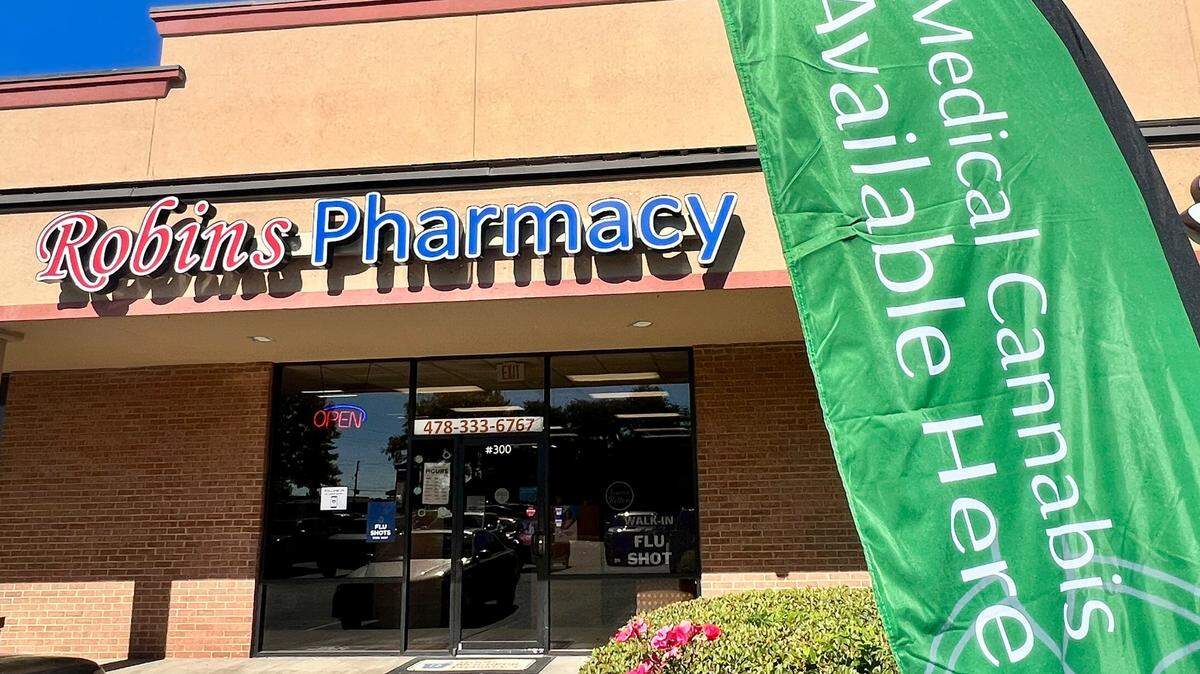
As Georgia became the first state in the U.S. to allow pharmacies to sell medical cannabis, a pharmacy in Warner Robins became one of the first pharmacies in the country to sell the products.
Robins Pharmacy, at 150 South Houston Lake Road, made low-dose THC products available on Oct. 27 to customers who have a medical marijuana card.
Ankit Patel, owner of Robins Pharmacy, said he started following the medical marijuana movement in Georgia with the Haleigh’s Hope Act, which allowed patients in 2015 to be able to possess up to 20 fluid ounces of low-THC oil with their doctor’s recommendation.
“I’m thinking I have patients that can use this medicine, but we don’t have a way or access to get it to them,” he said.
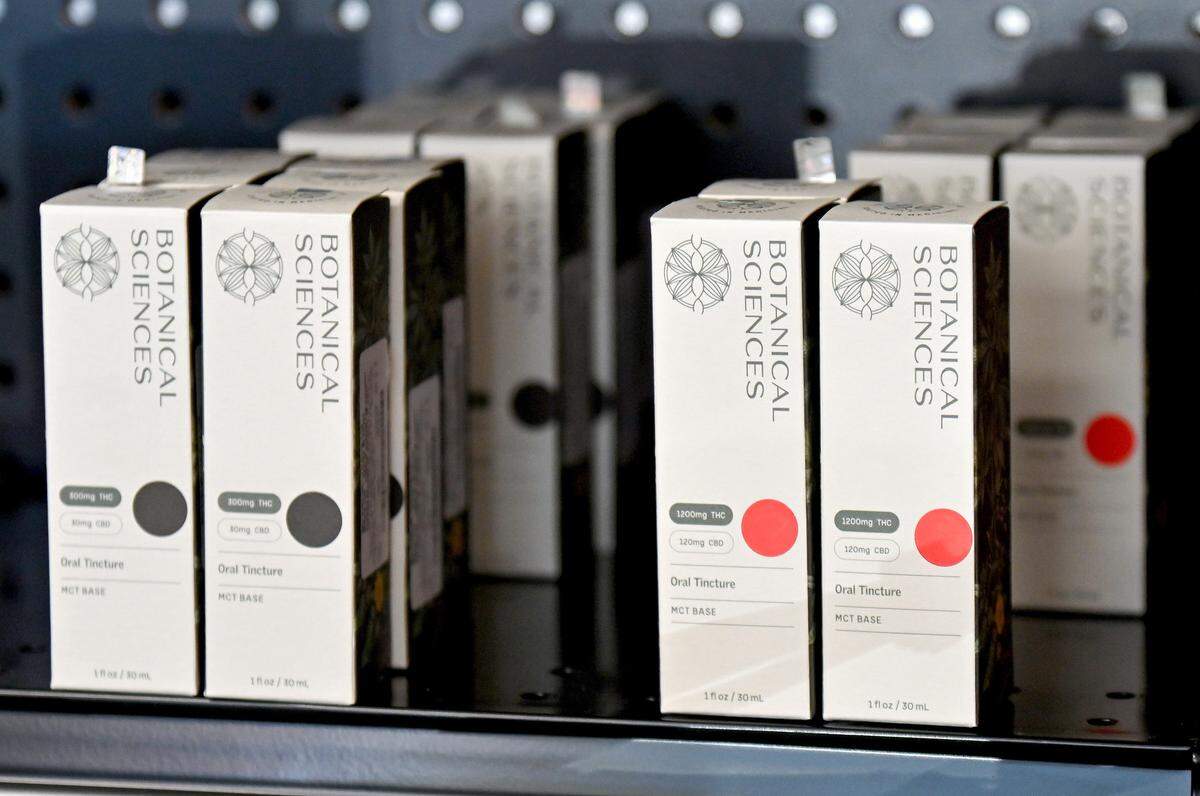
In 2019, Georgia’s legislature approved the Georgia’s Hope Act, which allowed for the production of low-THC products in the state. In September 2022, the Georgia Access to Medical Cannabis Commission (GMCC) issued the first production licenses to Botanical Sciences and Trulieve. The two companies opened their first dispensaries earlier this year, said Andrew Turnage, the executive director for the GMCC.
The products that are available in Georgia have 5% THC, or tetrahydrocannabinol, the part of cannabis that gives people a “high.” Unregulated, recreational marijuana has more than 30% THC, Turnage said.
“The Board of Pharmacy, our sister state agency, really gets the credit for the next leg of the progress with our state’s access for patients. They put rules in place to allow independent pharmacies all across the state to apply for a dispensing license and those rules were signed by the governor in a expeditious manor, and the board has began to issue those licenses,” he said.
Robins Pharmacy was one of the first pharmacies to receive their license, and the pharmacy sells oils, capsules, lozenges and creams, Patel said.
“I think people just think it’s like a loophole just to get high,” Patel said. “We don’t even sell products like flour or like a brownie edible. That’s not the case here. So, I think people just don’t know when they hear medical cannabis. ... it’s completely different than what you would think like if you go to a recreational medical dispensary.”
So, how do I get medical marijuana?
“If you have trouble sleeping at night, that’s not criteria for getting the card,” Patel said.
In order to receive a Low-THC Oil Registry Card, a patient or caregiver must speak with their physician, who submits an application for the patient or caregiver to receive the card.
The patient must have one of the following conditions to meet the requirements for a card, according to the Georgia DPH’s website.
- Cancer, when such diagnosis is end stage or the treatment produces related wasting illness or recalcitrant nausea and vomiting
- Amyotrophic lateral sclerosis, when such diagnosis is severe or end-stage
- Seizure disorders related to the diagnosis of epilepsy or trauma related head injuries
- Multiple sclerosis, when such diagnosis is severe or end-stage
- Crohn’s disease
- Mitochondrial disease
- Parkinson’s disease, when such diagnosis is severe or end-stage
- Sickle cell disease, when such diagnosis is severe or end-stage
- Tourette’s syndrome, when such syndrome is diagnosed as severe
- Autism spectrum disorder, when (a) patient is 18 years of age or more, or (b) patient is less than 18 years of age and diagnosed with severe autism
- Epidermolysis bullosa
- Alzheimer’s disease, when such disease is severe or end-stage
- AIDS when such syndrome is severe or end-stage
- Peripheral neuropathy, when symptoms are severe or end-stage
- Patient is in hospice program, either as inpatient or outpatient
- Intractable pain
- Post-traumatic stress disorder resulting from direct exposure to or witnessing of a trauma for a patient who is at least 18 years of age.
There is a $25 fee for the card. In Middle Georgia, the Macon-Bibb County Health Department and the Houston County Health Department are allowed to distribute the cards to qualified patients.
Patients who believe they meet one or more of the requirements should talk to their doctor. If a doctor has never helped a patient through the process, they can visit the Georgia Department of Public Health’s website for guidance.
Although Georgia is making strides to allow access to patients with serious medical illnesses, patients with lesser symptoms are still not allowed to get a card.
“I encourage people to reach out to their their legislator, because ultimately, the law is what determines who has access,” Turnage said. “I don’t think anyone would choose to watch their loved one continue to suffer when there’s a safe, quality, laboratory-tested, highly-regulated product that’s available that can help and does help.”
What’s it like for patients?
Jim Garrison, a customer of Robins Pharmacy, has suffered from lung cancer for around two years, and he purchased his first supply of medical cannabis from Trulieve Macon Dispensary, he said.
“It kind of keeps the pain at the bay, which mine is kind of a weird pain. You can’t really describe it because it’s in the lung, but that discomfort is gone and just your overall mood tends to be a little more, not as harsh,” he said.
Although he used traditional pain medications in the past, he said they made him feel bad, and it was hard to do daily tasks, but with the medical marijuana, he is able to manage better.
“It’s not the evil people say it is,” he said.