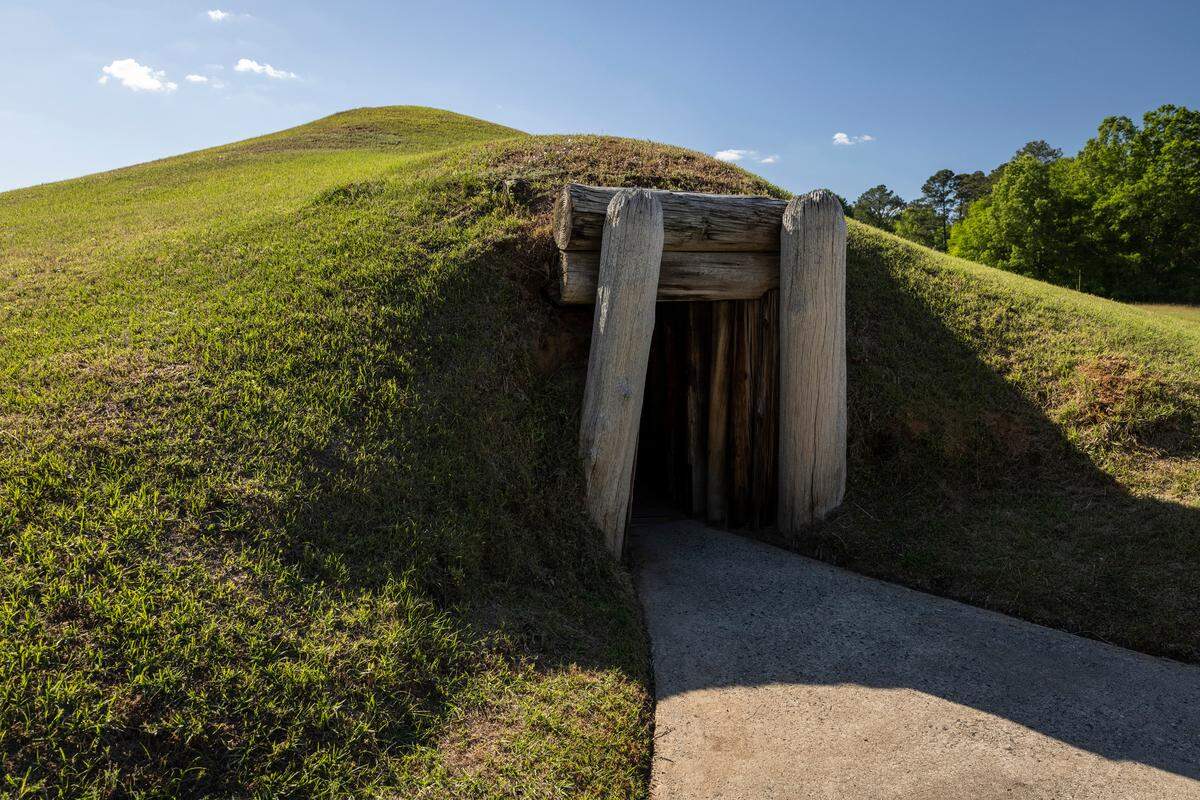
Ocmulgee Mounds National Park to more than double in size with 951-acre expansion
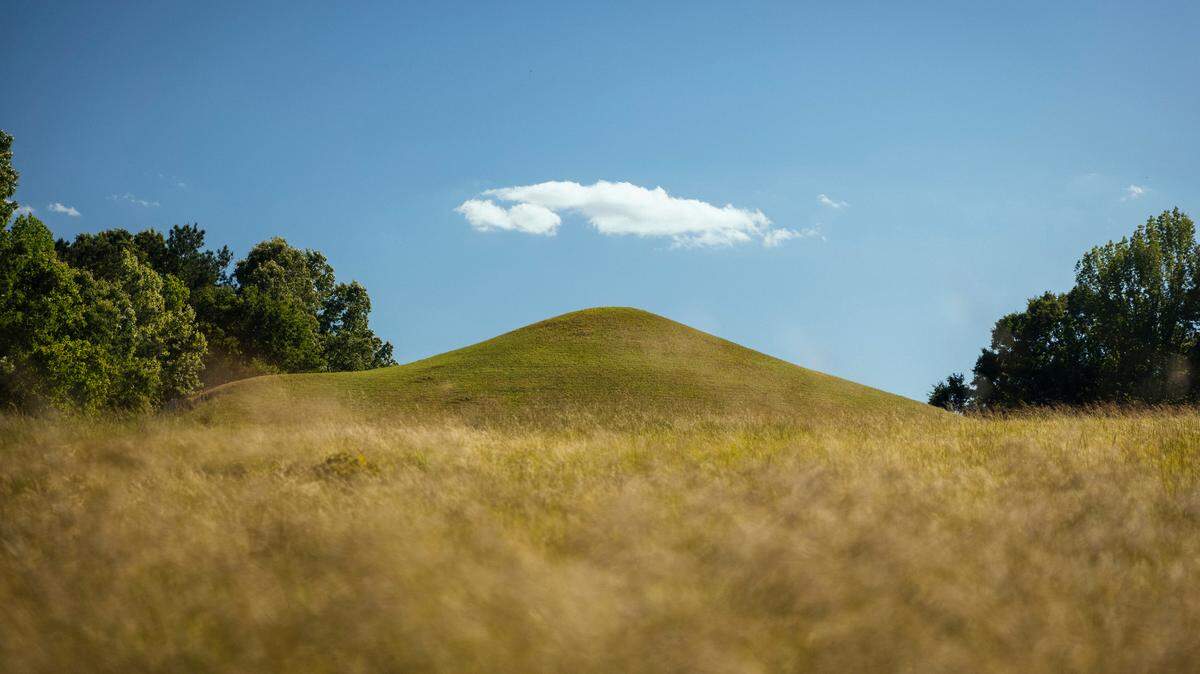
The Muscogee (Creek) Nation is now headquartered in Okmulgee, Oklahoma, but the Nation has never forgotten its ancestral home, some 850 miles away in Middle Georgia.
Now, hundreds of acres of that homeland, previously unprotected, will be added to the Ocmulgee Mounds National Historical Park as part of an ongoing effort from the Muscogee (Creek) Nation, National Park Service and others to preserve the Ocmulgee Old Fields-Macon Reserve.
“This additional property includes some of our most important unprotected ancestral lands,” said David Hill, principal chief of the Muscogee (Creek) Nation. “The Muscogee (Creek) Nation have a long-standing history of preserving the Ocmulgee Old Fields-Macon Reserve. We have never forgotten where we came from and the lands around the Ocmulgee River will always and forever be our ancestral homeland, a place we consider sacred and a place with rich cultural history.”
The Muscogee (Creek) Nation, National Park Service, Ocmulgee National Park and Preserve Initiative, National Park Foundation, and the Open Space Institute (OSI) announced earlier this week that the Ocmulgee Mounds National Historical Park will double in size.
The new 951-acre property will be adjacent to the park within Bibb County. According to the release, the project is the result of a major expansion effort begun in 2019 with the goal quadrupling the authorized boundary from 701 acres to more than 3,000 acres.
“We are proud of our role in the protection and expansion of Ocmulgee Mounds National Historical Park,” said Kim Elliman, president and CEO of OSI. “This land is incredibly special, holding history dating back thousands of years. With this transaction, we are ensuring its permanent protection and acknowledging the Muscogee (Creek) Nation’s historic and ancestral connection to this hallowed place.”
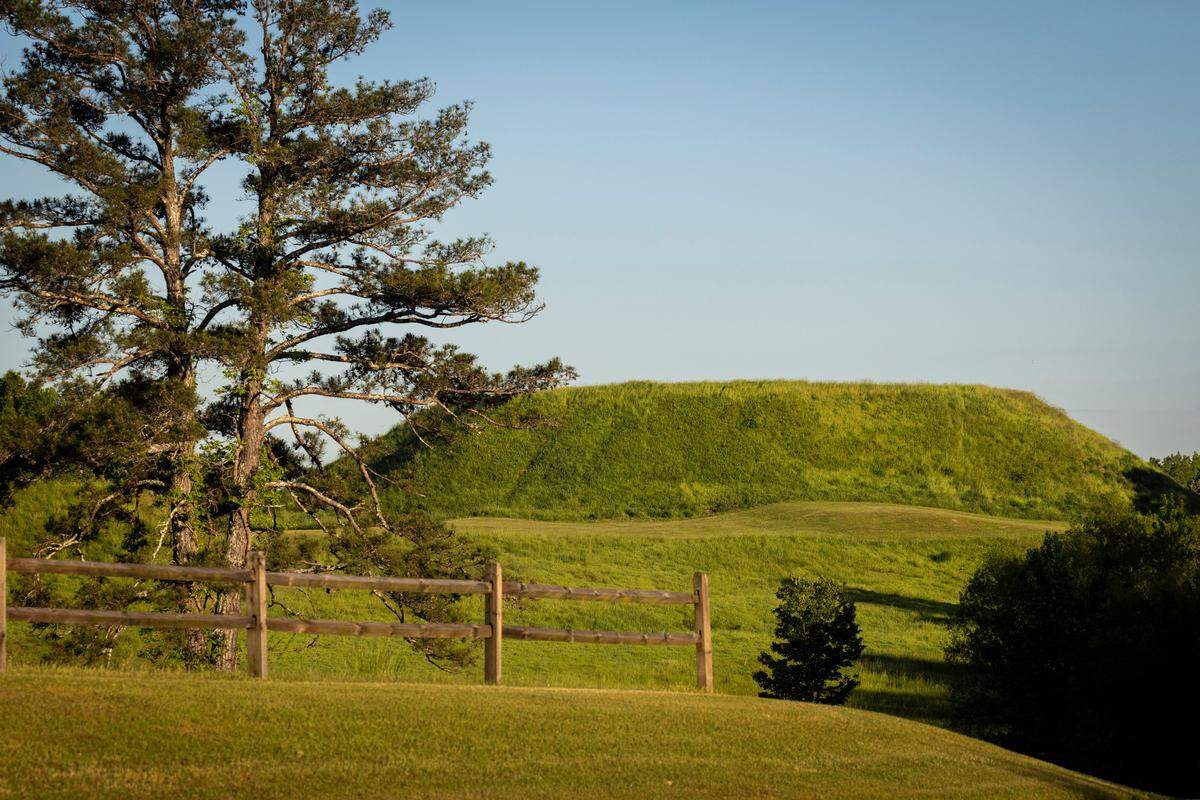
Additionally, the newly acquired property is located to the east of the previous park boundary and situated within the Ocmulgee Old Fields formally known as the Macon Reserve, which was a three-by-five-mile site for the Muskogean people.
The Ocmulgee Old Fields-Macon Reserve comprises lands specifically retained by the Muscogee (Creek) Nation from 1805 until the 1826 Treaty of Washington, which in addition to other treaties culminated in the federal government forcibly removing the Nation from its ancestral home to present-day Oklahoma.
The project was funded by the NPS using Land and Water Conservation Funds, Knobloch Family Foundation through a grant to OSI, Peyton Anderson Foundation through a grant to the Ocmulgee National Park and Preserve Initiative, and the National Park Foundation.
“It is our solemn duty and honor to protect our nation’s most significant lands. It’s even more critical that we work collaboratively with Tribal nations to ensure proper conservation and access. The National Park Service will continue to work with willing sellers to preserve the culturally significant land associated with the Ocmulgee Old Fields,” said Chuck Sams, director of the National Park Service.
The newly acquired land will be closed to the public during the development, but The NPS will invite the public to help plan the site.
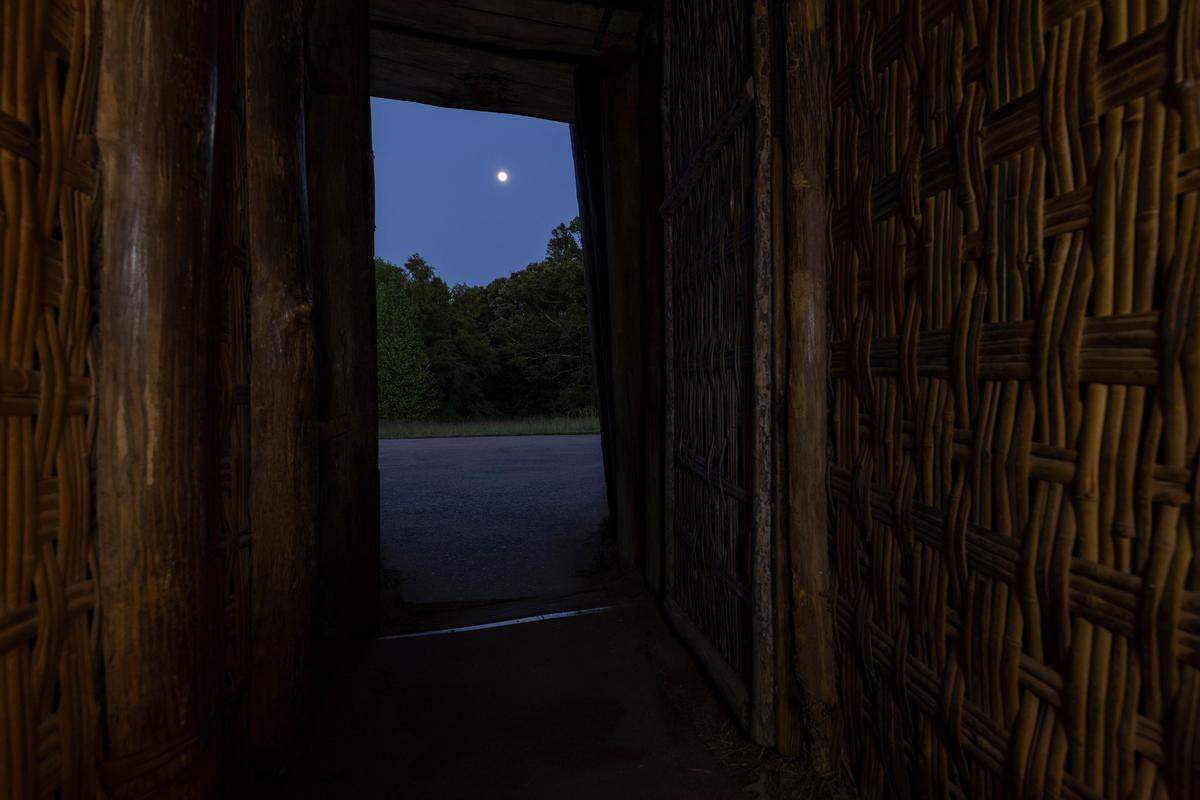
Expanding the park
There has been an ongoing effort from a community organization, the Ocmulgee National Park and Preserve Initiative, to expand the Ocmulgee Mounds National Historic Park, incorporating Bond Swamp National Wildlife Refuge and the Ocmulgee River corridor from Macon to Hawkinsville.
The park would be the first full-fledged national park in the Peach State, expanding the park to 60,000 acres. The initiative recently announced a new director of outreach, Tracie Revis, the first woman to serve as chief of staff to the principal chief of the Muscogee Nation.
The effort has bipartisan support in the U.S. Congress, reports GPB’s Grant Blankenship, although the effort is at a standstill for now.
The Ocmulgee Mounds National Historic Park (1207 Emery Hwy, Macon , GA 31217) is open from 8 a.m. to 5 p.m. seven days a week and is free to visit.