
Remembered as ‘selfless and giving,’ the legacy of the ‘Mayor of Unionville’ lives on
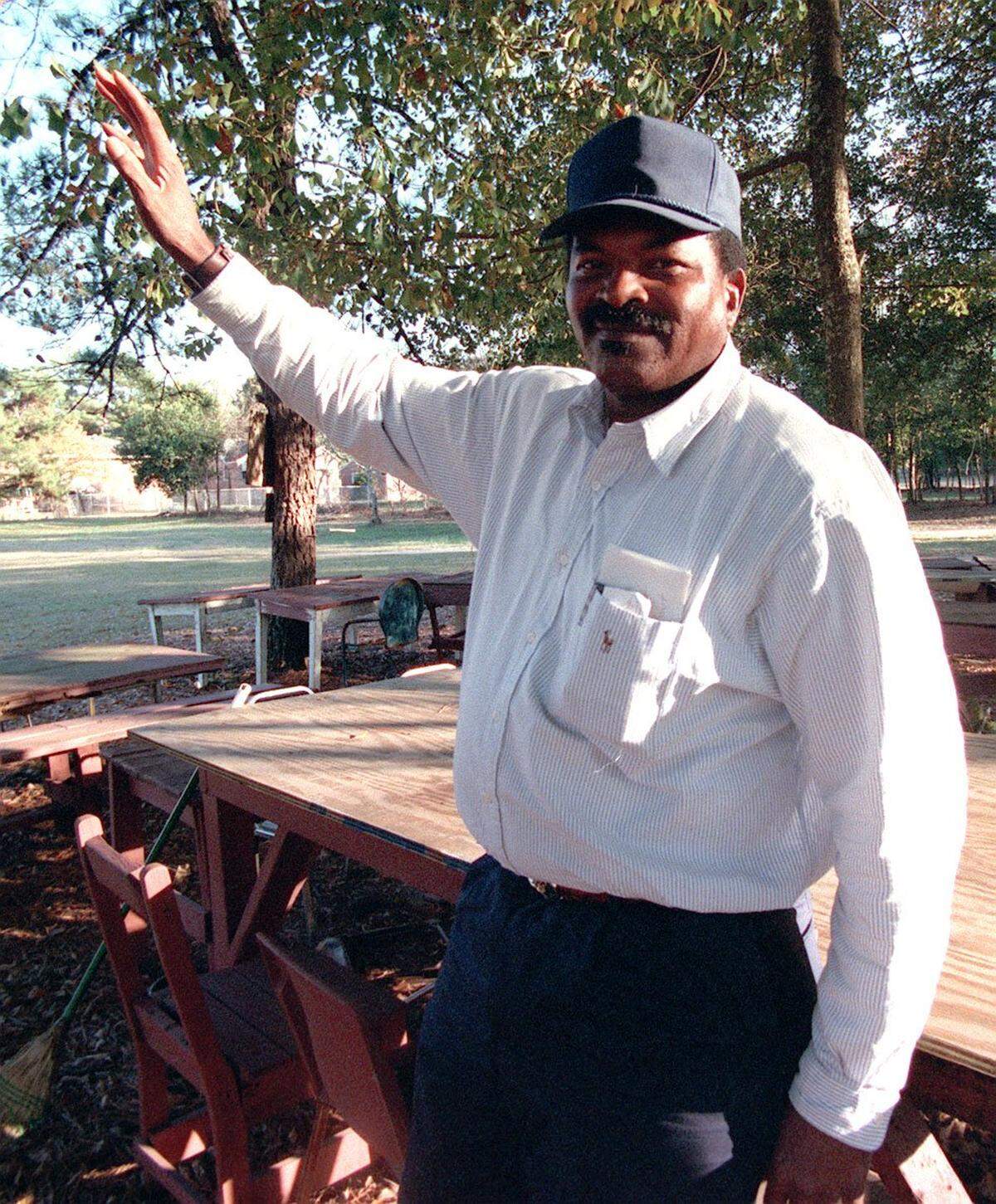
When Frank Johnson would return to his yellow brick house on Ormond Street after work, he would hop on his bicycle and ride around Unionville greeting neighbors and attending meetings.
Dorothy Johnson, Frank Johnson’s widow, said Frank was always thinking about what he could do to make the community better and make sure everyone was happy about changes he was trying to make.
“He was a very, very noticeable person, and people respected him over the years,” Dorothy said. “He was always trying to get something done and to want to get it done and to do a good job. So, he was really a wonderful person.”
Frank Johnson, affectionately named the “Mayor of Unionville,” died Nov. 20, 2016, but his legacy of helping his community lived on in Unionville and through the Frank Johnson Recreation Center.
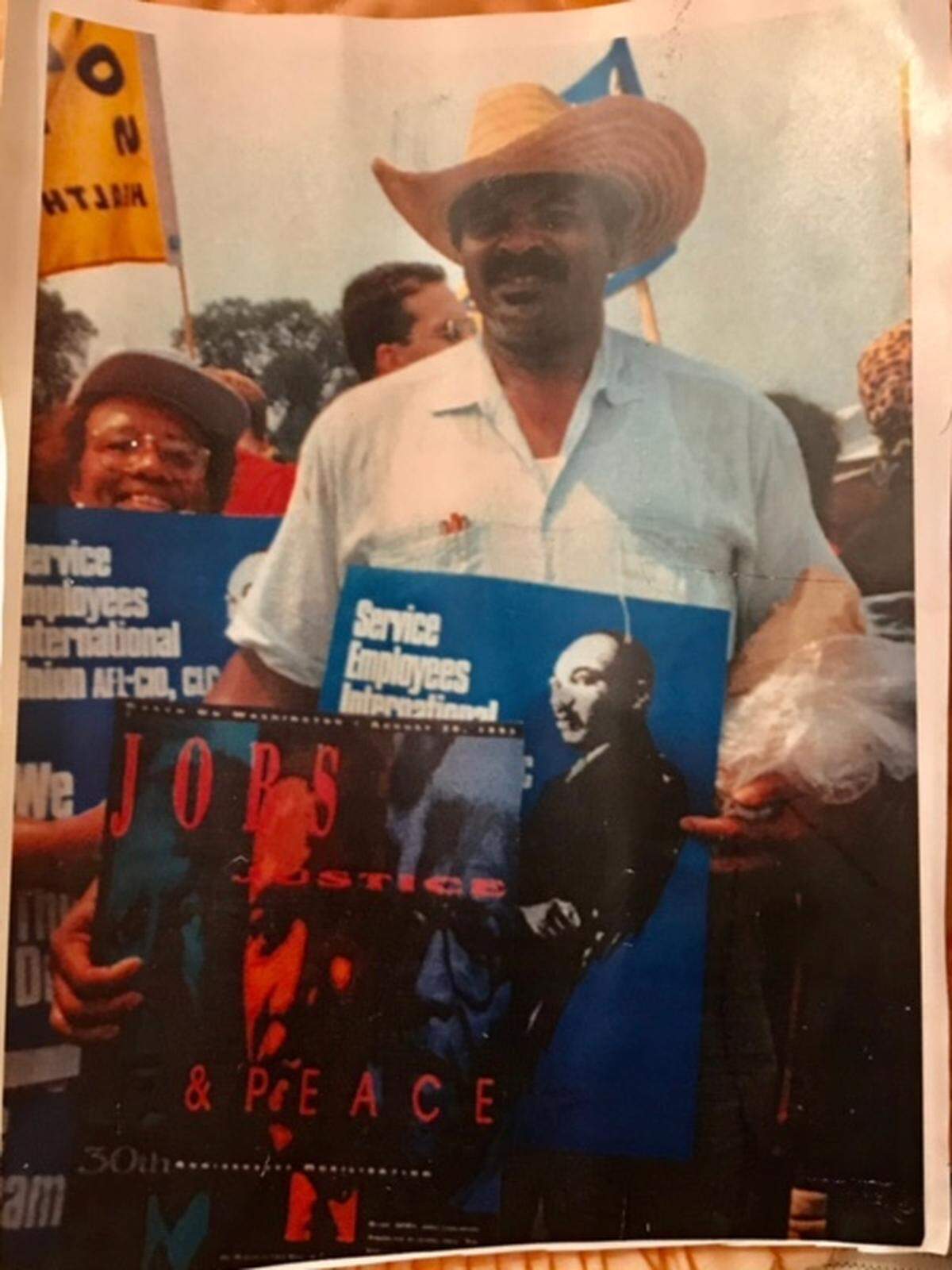
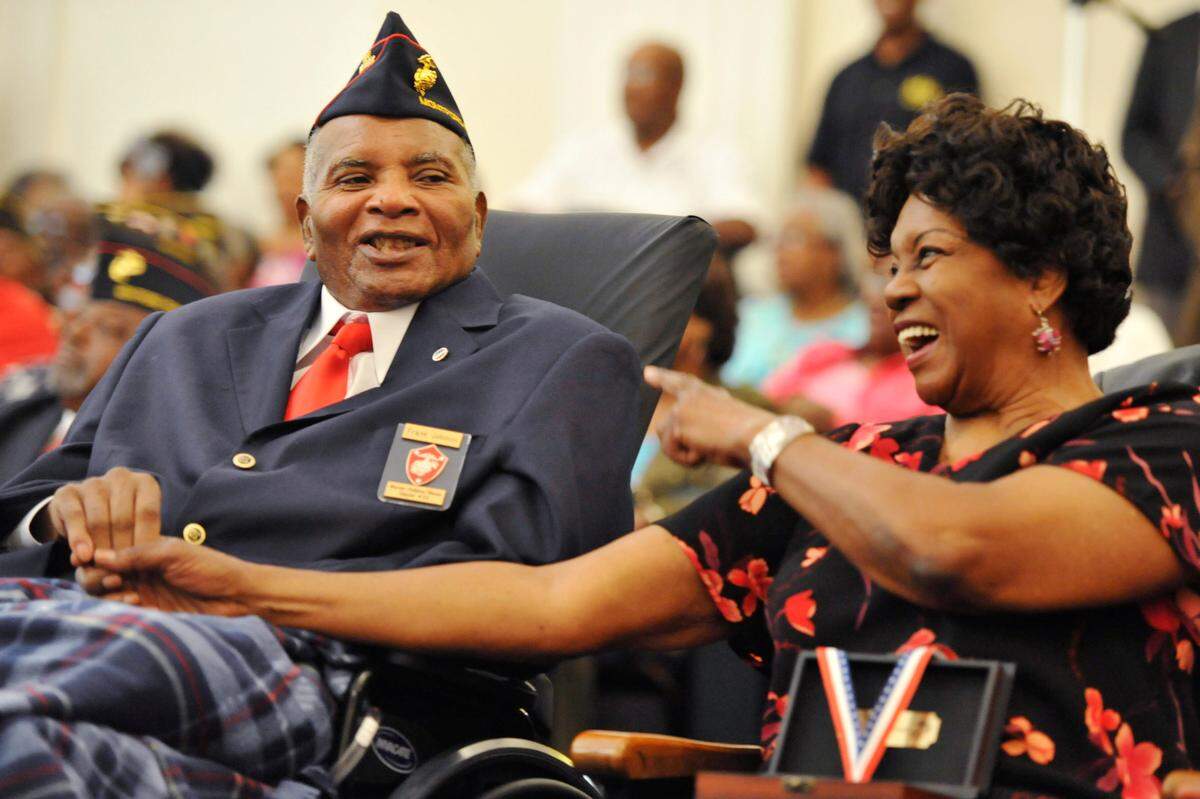
Johnson was an active member of the Macon community serving in the NAACP, encouraging voter registration and starting the Unionville Improvement Association. He was also a member of the Montford Point Marines, the first Black Americans to enlist in the U.S. Marine Corps.
Cheryl Johnson Knight, Johnson’s daughter, said family was very important to her father, and he treated everyone like family.
“I think his greatest accomplishment was having a reputation of not saying ‘no’ to people and always having the ability to invite them in, and to see what he could do to help them in whatever way he could help them,” Knight said.
His ‘roots’ in Unionville
Johnson’s father, a farmer and peddler, bought his land in 1906 when Unionville was a rural community, according to Telegraph archives.
Johnson grew up giving because if his father had leftover produce that didn’t sell, he would give it to people in need, Knight said.
Johnson carried that legacy forward when he built his house next to his childhood home on Ormond Street when the road had yet to be paved.
When the banks wouldn’t give him a loan to build a house in Unionville because the “risk was too big,” he responded, “I told them I didn’t have a nickel but I vowed I would build my house in Unionville,” according to Telegraph archives.
“It’s home. It’s roots. It’s part of my life and I love it,” Johnson told the Telegraph about the Unionville neighborhood in 1977.
Johnson was very active in church, and he started Sunday schools in different neighborhoods, Knight said.
“People just started seeing him as somebody they could trust, somebody who was a loving person and somebody who really cared about them and wanted the best for them,” Knight said.
He would hold meetings for the Unionville Improvement Association, and he would invite different community leaders to speak with residents of Unionville about the resources they had access to in the community, Knight said.
“He’s going to be remembered as somebody who was so selfless and so giving,” Knight said.
The heart for giving
Carrie Morgan was taking care of Dorothy’s mother, Willie Mae Purnell, when she first met Johnson.
Purnell asked Morgan if she knew anybody who needed clothes because Dorothy had several to give away, and Morgan said she would take them.
When she knocked on Dorothy’s door, she said a large man came to the door. It was Frank Johnson.
He loaded her car to the brim with clothes, she said, and before she left, he asked if she had any money.
“I didn’t have $5 to my name, but didn’t nobody know but Jesus,” she said with a laugh.
Apparently, Johnson went and told Dorothy because when she reappeared she gave Morgan $25 to get some gas for her car.
“I prayed all the way back, Thank you Jesus! Thank you Jesus!” Morgan said.
Knight said her father and mother were just giving people who wanted to help people in their community.
“His main vision was to create an atmosphere in this community that was healthy and that was beautiful,” Knight said. “He really wanted a community where everybody loved each other and a nonviolent community.”
Receiving recognition
Although Johnson never sought accolades, Knight said the more he didn’t seek them, the more he received.
The Unionville Recreation Center became the Frank Johnson Recreation Center in the early 2000’s after former Mayor C. Jack Ellis urged the city council to honor Johnson, said Clarence Thomas, supervisor of the recreation center.
“I was so proud because this was one thing that my father really wanted in this community. He wanted this recreation center,” Knight said.
Johnson treated the community like his family, Thomas said, and the recreation center tries to operate by Johnson’s example with the mantra, “Frank Johnson Recreation Center… Where we ARE family.” Thomas said the recreation center’s staff views the center as hallowed ground because of Johnson’s legacy.
“His energy and his spirit lives within this building and within these walls as a result, and so we try to operate in that context, and we ask that whenever people come to the building that they operate in that context too,” Thomas said. “He was a very profound and prolific brother. He was a man’s man and a great example of manhood.”
This story was originally published February 10, 2021 at 10:53 AM.