
‘I am a survivor.’ Macon woman founds support group to help others overcome brain trauma.
The memory of that night does not stalk her. It lurks. It lingers.
It finds her, no matter where she is or what she is doing.
That summer night, almost 27 years ago, has impacted the trajectory of every day and night since.
Stephanie McDuffie Freeman’s family was told she might not live. But she later became a mother, giving birth to a son, and bringing joy to countless others who have crossed her path.
Doctors were convinced she might not walk again. She became a runner, and a physical fitness advocate. Six years ago, she crossed the finish line at the Boston Marathon.
Some said she might never talk again either. She now speaks to schools, civic clubs, medical support groups and other organizations to rally them behind her cause.
The darkest night of her life was the genesis of the work she is doing today. It broke her down and built her up. Drawing on her faith, strength and determination, she founded a non-profit brain trauma organization called “Share Your Strong” to reach out and help others in Macon and Middle Georgia.
“I’ve dedicated my life to this,’’ she said.
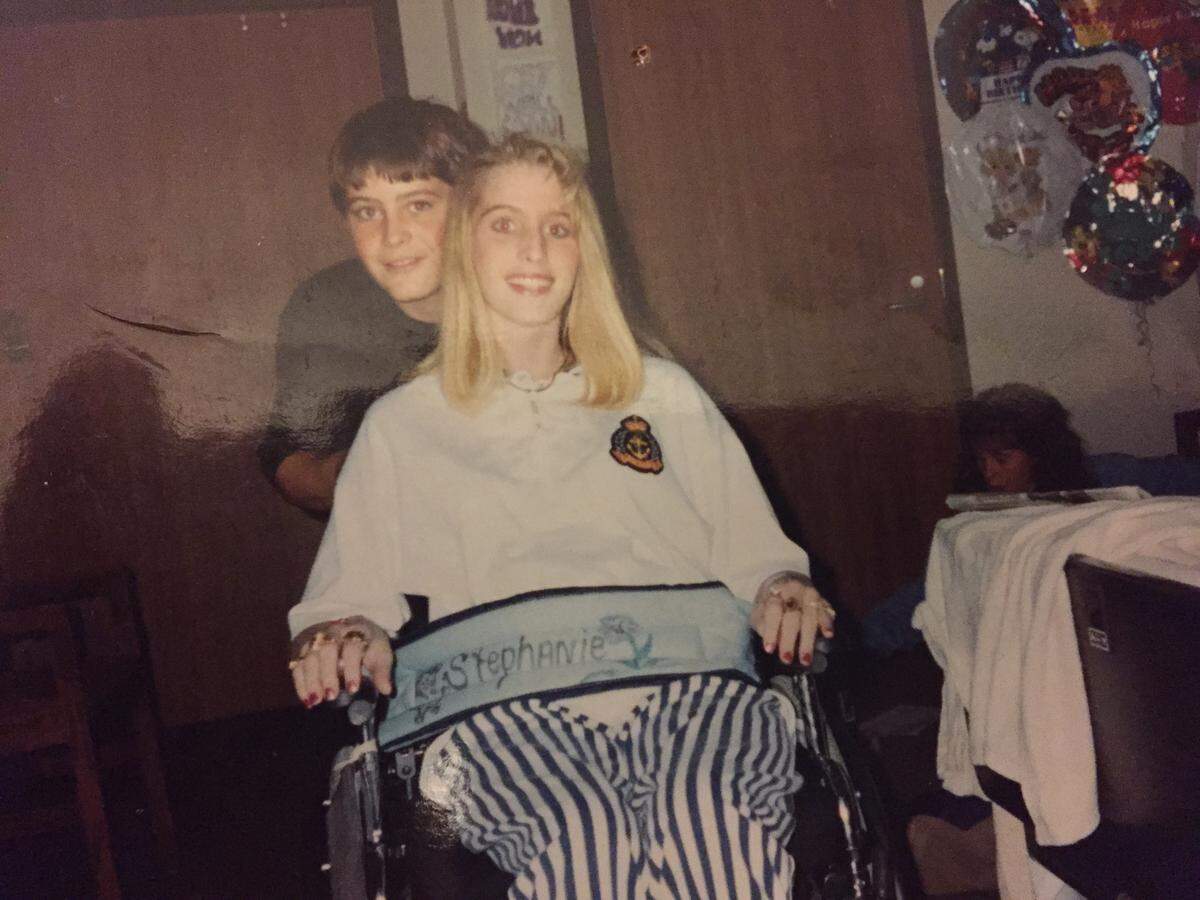
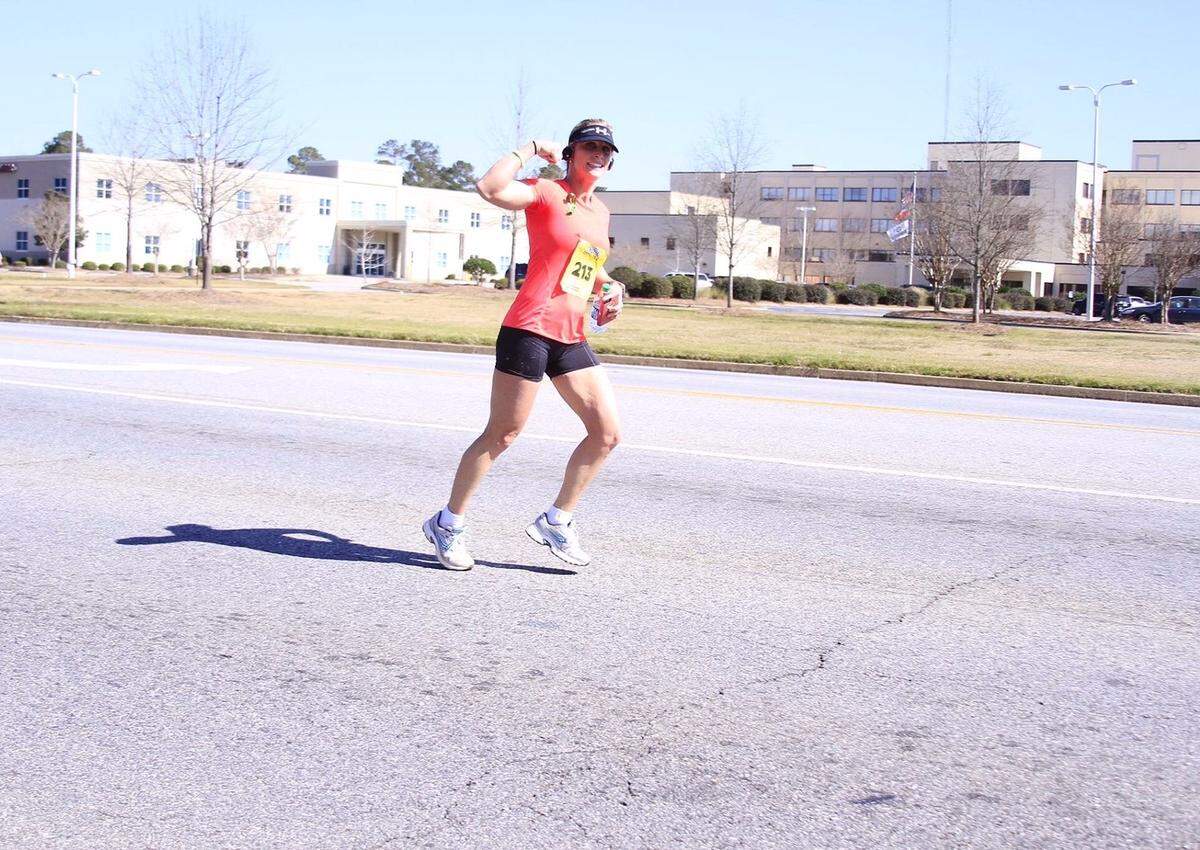
Stephanie is 41 years old. If you reverse those numbers, it will take you back to when she was 14, and that’s where the story begins.
It was a Friday night, the first week of June in 1993. School was out for the summer at Wilcox County High in Rochelle. Stephanie was hanging out with her friends at the Dairy Queen.
She had no business behind the wheel of the Buick Park Avenue — or any car for that matter. She was still more than a year away from getting her driver’s license.
But that’s what kids from small towns and rural counties often do. They grow up learning to drive cars and trucks before they’re legally allowed to hold the keys.
She was speeding out on Highway 215, five miles south of town, past tall pines and cantaloupe fields with the windows rolled down. A young man was in the car with her. She was driving too fast. When the road curved, she did not.
The car flipped five times. Miraculously, her friend did not suffer any serious injuries. She was not wearing a seat belt. Her lungs were punctured by her crushed ribs, causing her to lose oxygen to her brain. She was in a coma and on life support for two months at Phoebe Putney Hospital (formerly Palmyra Medical Center) in Albany. Her parents, William and Mary McDuffie, kept vigil at her bedside.
Stephanie celebrated her 15th birthday in the hospital, only there was no celebratory cake and party favors. She would squeeze her mother’s hands and pucker her lips to let her mom, dad, sister and brother know there was still life in her.
One day, she was sitting outside the nurse’s station. Her head was hanging. She was drooling. She looked up. Everyone around her was older and in wheelchairs.
She tried to get up and walk. She fell to her knees. Although she was not paralyzed, the brain injury had cost her the cognizance to move her legs.
“Even though I had heard all these people saying to get a ramp — she is going home in a wheelchair — I made a commitment that day I was not going to go out like that,’’ she said. “I was going to walk out of that hospital.’’
And she did … on Oct. 8, 1993.
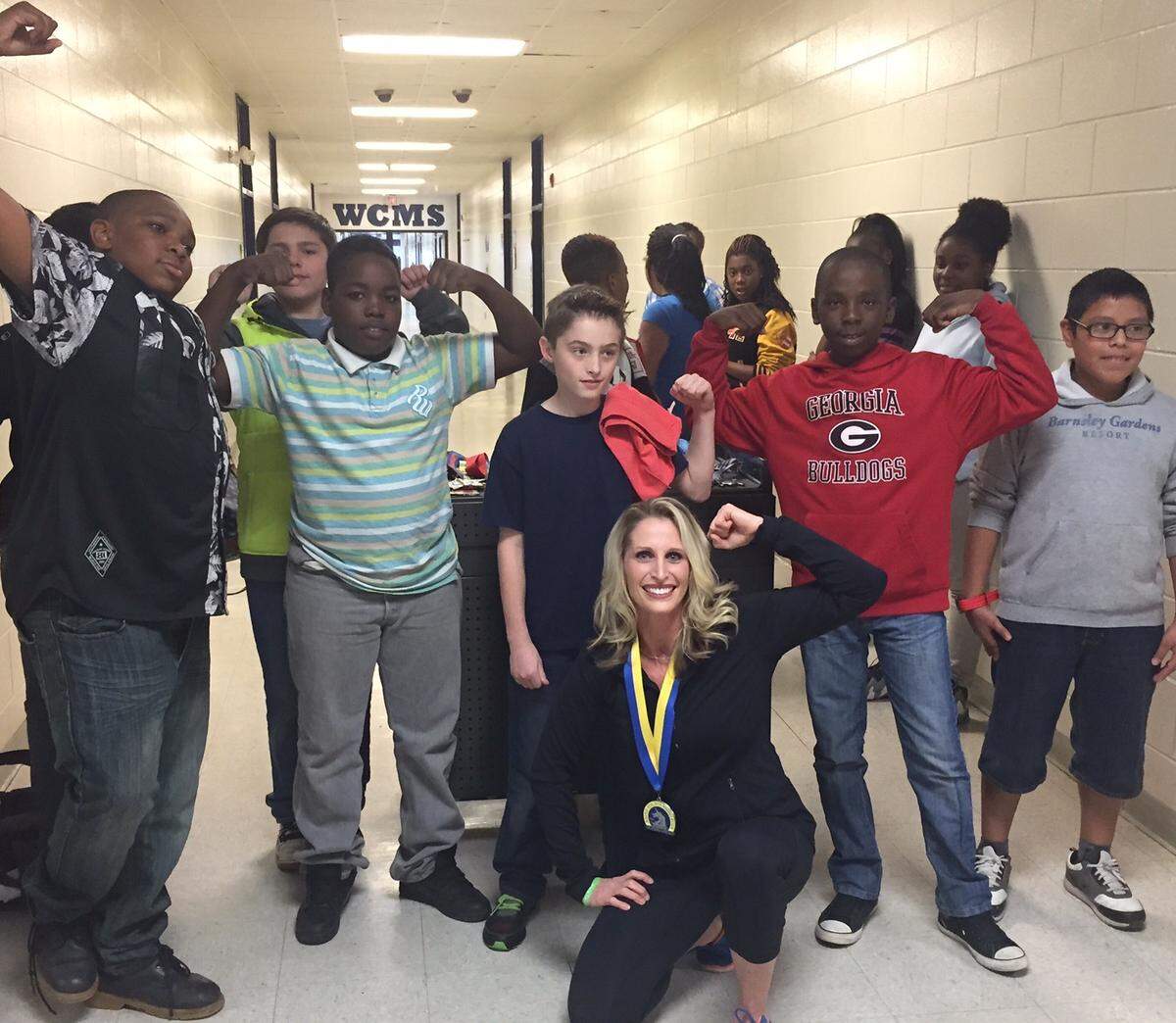
“I say that with a lot of pride,’’ she said. “I had all the hurt, all the pain and fears. I did not want to see it again. I focused on being normal, even though I knew it was different.’’
Stephanie could not return to school for six months. She walked with a limp. She had never been athletic or played sports in school, she began exercising. In her mid-20s, she took up running.
Her first road race took her on a route that passed that same hospital in Albany.
She later worked as a representative for Saucony, an American manufacturer of athletic shoes. She went to help with an expo during the Boston Marathon. She and others on the work crew gathered on April 15, 2013, at the Prudential Mall along the marathon route, about three-quarters of a mile from the finish line.
There was an explosion. Two homemade bombs went off near the finish line. Three people died, and several hundred were injured.
“It sounded like a plane had hit the building,’’ Stephanie said. “I jumped over a table and started running to get out onto the street. But a SWAT team got us back into the mall, and we were on lockdown.’’
When she returned home, people who knew she had been at the Boston Marathon would ask how she was doing.
“I would tell them I was fine, but I started having flashbacks to 1993,’’ she said. “It was almost 20 years to the month. It was like PTSD (post-traumatic stress disorder). I would see things. I would hear things. All those emotions I had put behind me had come back. I had fatigue really bad. It was horrible. But I got through that time.’’
The following year, she ran the Boston Marathon and, sixth months later, the New York Marathon. They were triumphant moments on her journey.
She began speaking and writing. Five years ago, she founded her non-profit (shareyourstrong.org). It’s an outreach to help provide inspiration and encouragement to those affected by brain trauma. Many have spinal cord injuries. Several have cerebral palsy and other disorders. She meets monthly for food and fellowship with a local support group at the Navicent Health Rehab Hospital on Northside Drive.
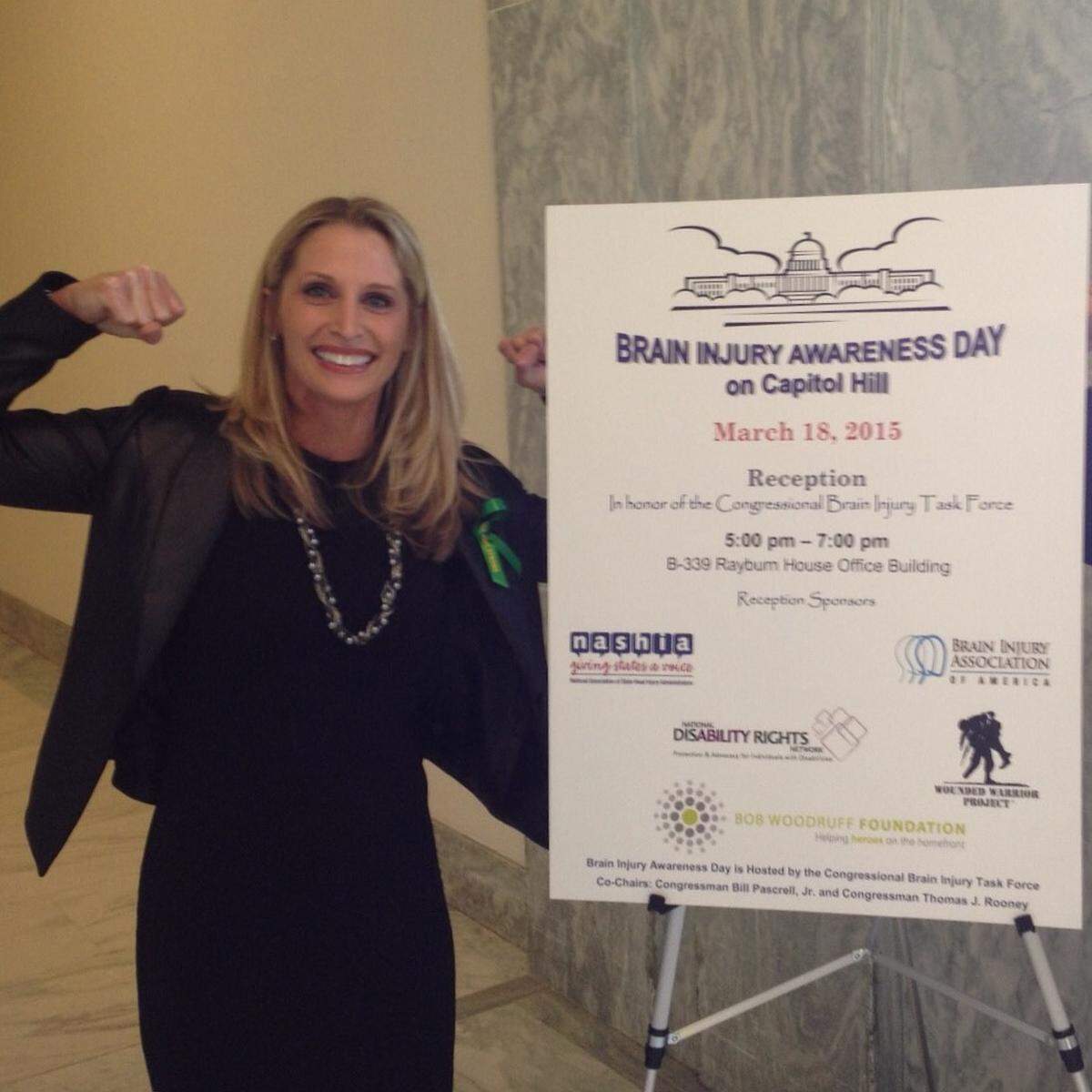
She lives in Macon now, where she works as a massage therapist at a downtown salon. In March, she will travel to Washington, D.C., as part of a Georgia council for Brain Injury Awareness Day.
The night still comes back to her. But she is battle-tested. Rather than haunt her, it has sharpened her resolve.
“I have overcome adversity,’’ she said. “I have lived through affliction. I am a survivor.’’
Ed Grisamore teaches journalism at Stratford Academy in Macon. His column appears on Sundays in The Telegraph.