
Middle Georgia hospitals among those penalized for patient injuries with funding cuts
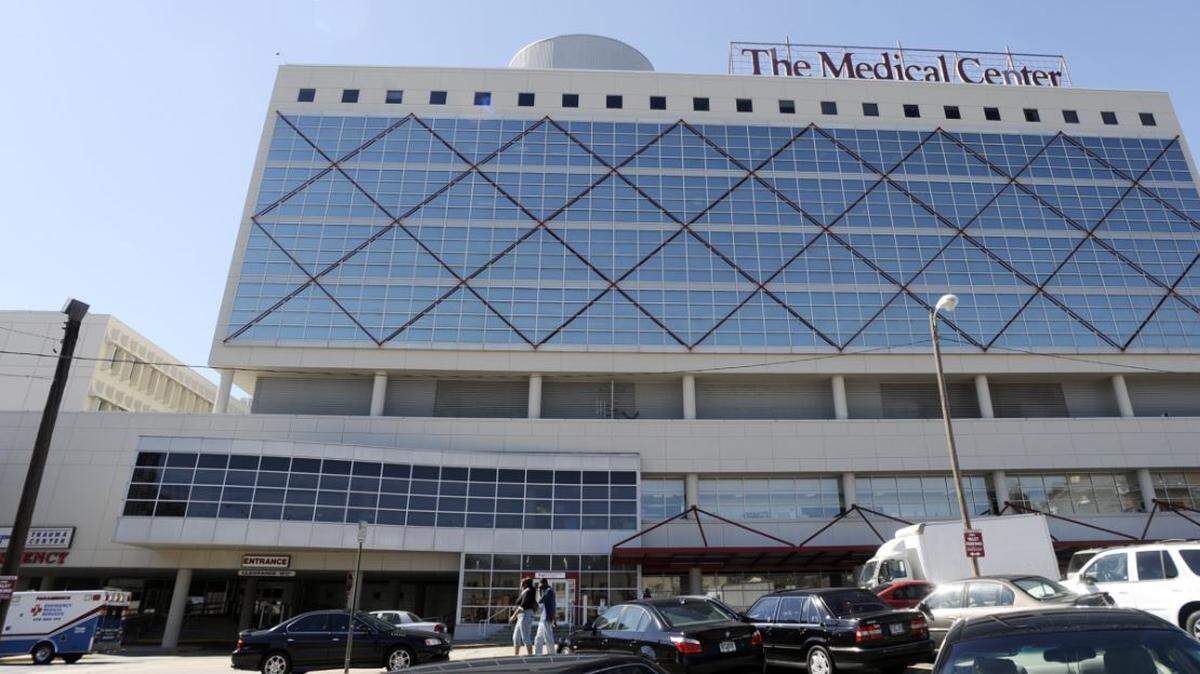
About one-third of eligible Georgia hospitals will see a reduction in Medicare payments in 2018 because of a high rate of patient injuries.
The 35 percent penalized in Georgia is a higher percentage than all but five other states, a Kaiser Health News report reveals.
The Georgia hospitals penalized include some of the state’s biggest and best-known, including Grady Memorial Hospital and two Emory University Hospital campuses in Atlanta. Of those affected, 22 were penalized last year as well.
In Middle Georgia, hospitals being penalized include Medical Center, Navicent Health, and Coliseum Medical Centers in Macon; Fairview Park Hospital in Dublin; and Oconee Regional Medical Center in Milledgeville (now Navicent Health, Baldwin).
Medicare will cut by 1 percent its payments for each patient stay. The penalty program, created by the Affordable Care Act, began four years ago to spur hospitals to reduce infections and problems such as bed sores and sepsis. Not all hospitals are included in the penalty program. Those exempted include small “critical access’’ hospitals and children’s hospitals. Nationally, 23 percent of eligible hospitals were penalized.
Kaiser Health News reported that the penalties again fell heavily on teaching hospitals, although less so than before. A third of them were punished this year, while last year, the penalty was levied on nearly half of the nation’s teaching hospitals.
Factors considered in the program include rates of infections from hysterectomies, colon surgeries, urinary tract catheters and central line tubes inserted into veins. It also includes rates of methicillin-resistant Staphylococcus aureus, or MRSA, and Clostridium difficile, known as C-diff. Medicare also takes into account the frequency of in-hospital injuries, including bed sores, hip fractures, blood clots, sepsis and post-surgical wound ruptures, Kaiser Health News reported.
The hospital industry has complained in the past that the penalties are unfair to hospitals that treat a high percentage of low-income patients and those with complex conditions.
“Many of these hospitals treat patients with more acute conditions and also serve a higher percentage of uninsured,’’ said Ethan James of the Georgia Hospital Association. “The metrics can unfairly punish hospitals that treat sicker and poorer patients.”
“Georgia’s hospitals remain committed to reducing all instances of preventable patient harm,’’ said James, adding that hospitals have also been working with the Georgia Department of Public Health to reduce hospital-acquired infection rates.
James said a program of participating Georgia hospitals has succeeded in reducing infections.
Advocates for patients say the Medicare penalties have pushed hospital executives to consider more than the bottom line.
Beth Stephens of Georgia Watch, a consumer advocacy group, told Georgia Health News that “we definitely want to see Georgia hospitals continuing to prioritize patient safety and performing better than the national averages.’’
But Stephens added that the current hospital financial environment is challenging.
“So many hospitals are struggling with uncompensated care costs, the problems created by coverage gaps and paying for the health care needs of our most under-resourced communities,’’ she said. “The uncertainty surrounding the ACA and our lack of Medicaid expansion create barriers to improving health care quality in Georgia.’’
For all the penalized hospitals, the reductions will retroactively apply to Medicare payments from the beginning of the federal fiscal year in October 2017 and through the end of September 2018.
In addition to the 1 percent cut per patient stay, Medicare will reduce the amount of money that penalized hospitals get to teach medical residents and to care for low-income people. The total amount for each hospital depends on how much it ends up billing Medicare.
The law requires that Medicare penalize the worst-performing quarter of general hospitals each year, guaranteeing that about 750 or more hospitals will take the financial hit even if they improve safety. In some cases, the difference between penalized hospitals and those that escape punishment has been negligible, said Nancy Foster, vice president for quality and patient safety at the American Hospital Association, according to Kaiser Health News.
“It’s frustrating that you know that many hospitals end up getting a significant penalty when their performance is not different from other hospitals,” she said.