A tiny, ‘gorgeous’ bird is vanishing from Georgia wetlands. GCSU is tracking them.
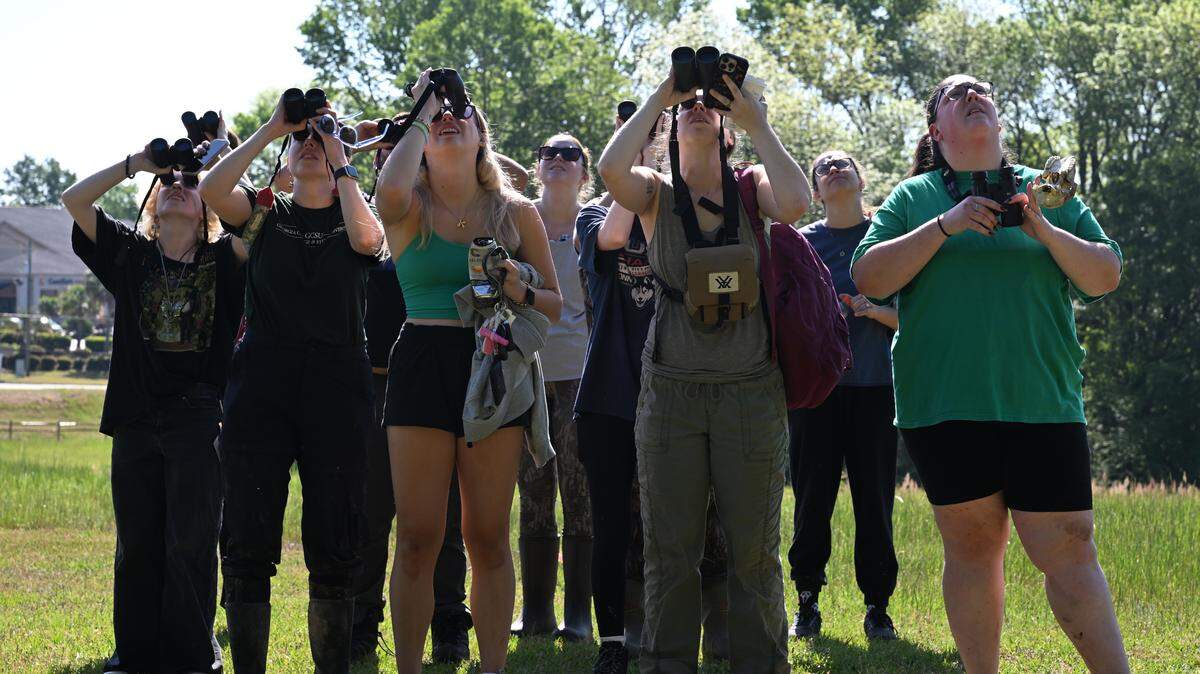
Georgia College & State University students are studying a species the Department of Natural Resources has listed as a “greatest conservation need,” as part of a state-funded effort to understand its decline.
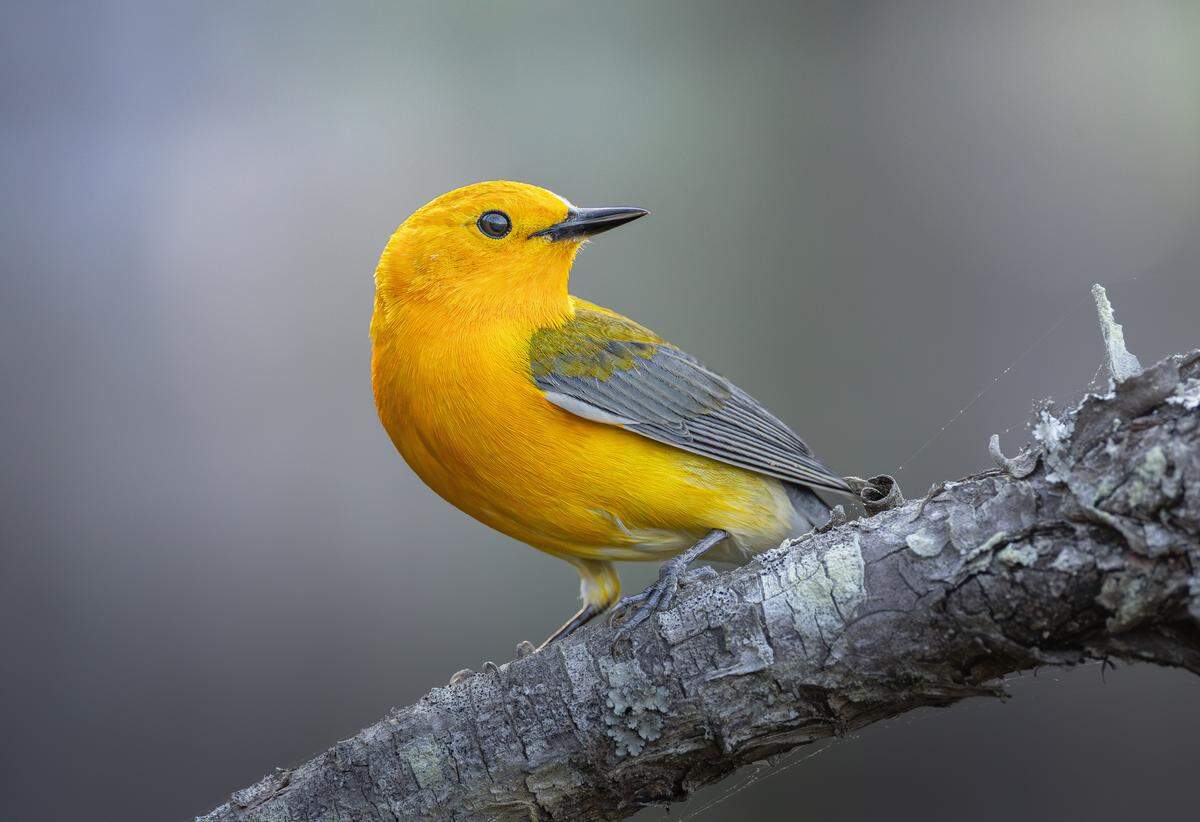
Prothonotary warbler populations have been falling for decades as wetlands, the habitat the birds depend on for breeding, continue to disappear, according to Michelle Moyer, an assistant professor of biological and environmental sciences at GCSU who is overseeing the project.
The species serves as a bioindicator, Moyer said, meaning its presence and reproductive success reflect the overall health of the wetland ecosystems it inhabits.
“(The warblers) rely on water sources, they rely on insects that are living near the water, and they rely on specific types of habitat,” Moyer said. “For the average person who likes to go fishing or likes to enjoy the river or just really enjoys listening to birds singing outside, if these birds are around and they’re doing well, that’s a better indication that the environment in general is doing well.”
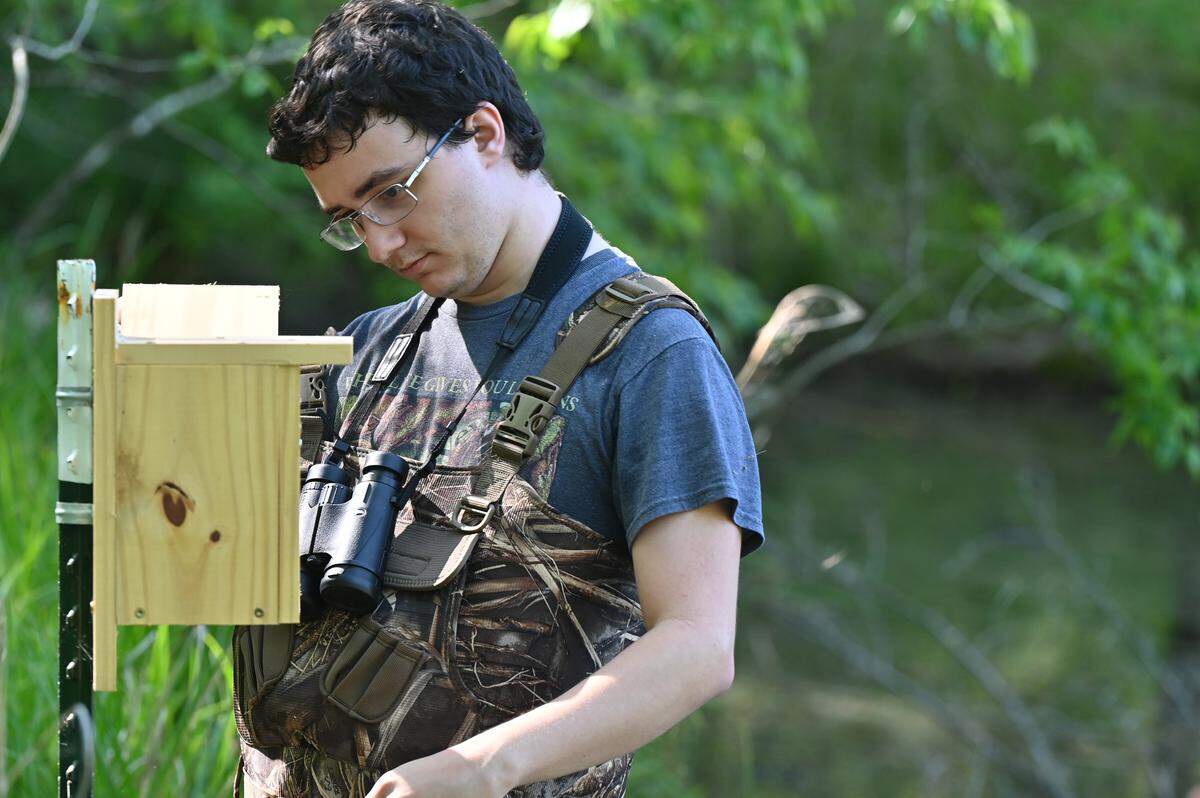
Beyond their ecological significance, Moyer said the birds have a more immediate appeal.
“First of all, they’re gorgeous — I genuinely think they’re one of the prettiest birds,” Moyer said.
Despite ongoing studies further south near the Altamaha River, the species had never been studied in the Milledgeville area until now.
The DNR-funded project is monitoring 12 nest boxes, 10 at Andalusia Farm and two at the Oconee River Greenway, to track nesting success and, for the first time in Georgia, the birds’ migration routes.
The prothonotary warbler is one of only two cavity-nesting warblers in North America. Like other warblers, they are small, secretive and difficult to study in the wild — but because they will nest in boxes, researchers can monitor clutch sizes, nestling growth rates, and survival numbers with a precision not possible for other warbler species
When researchers catch a bird at a nest box, they fit it with a tag that records barometric pressure and light levels. The data can reveal not only where the warbler winters, but where it stops along its migration route. The warblers winter in mangrove forests in Colombia, where habitat loss is also a growing threat.
“A bird from Georgia might not take the same route as a bird from South Carolina, and they may have a different stopover habitat that we need to protect,” Moyer said.
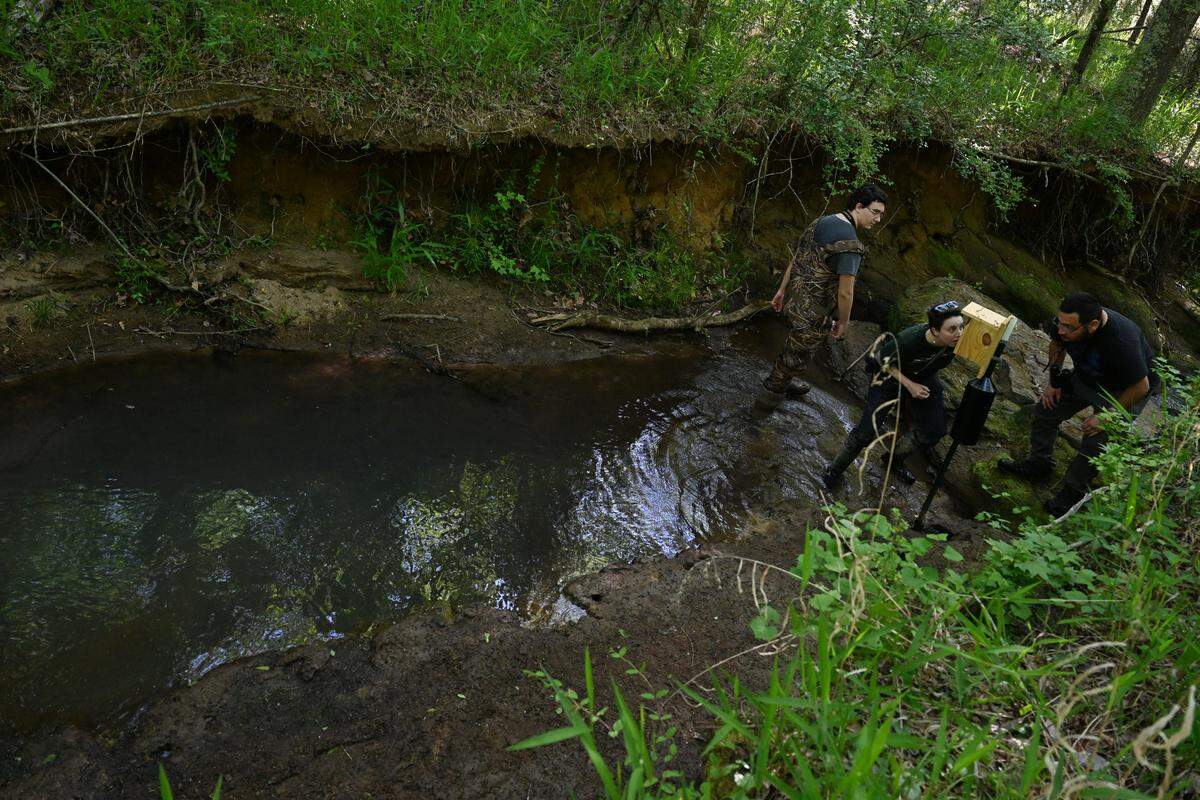
The research is expected to run for at least two years. Findings will be reported to the DNR and shared with the Prothonotary Warbler Working Group, a national network of scientists studying the species across its range.
The findings could shape how both landowners and conservationists respond to the species’ needs, according to Moyer. If the data shows nest boxes are effective, that would give researchers a straightforward recommendation to offer private landowners, one that wouldn’t require major changes to how they use their land. The research might also suggest avoiding removal of dead trees, for example, which the birds rely on for natural nesting cavities.
Migration data could extend the project’s reach beyond Georgia. If the birds consistently stop at specific locations on their way south, Moyer said, researchers could work with communities along those routes to protect that habitat as well.
“The more we know, the more we can potentially take action or pay better attention to what they need,” Moyer said.
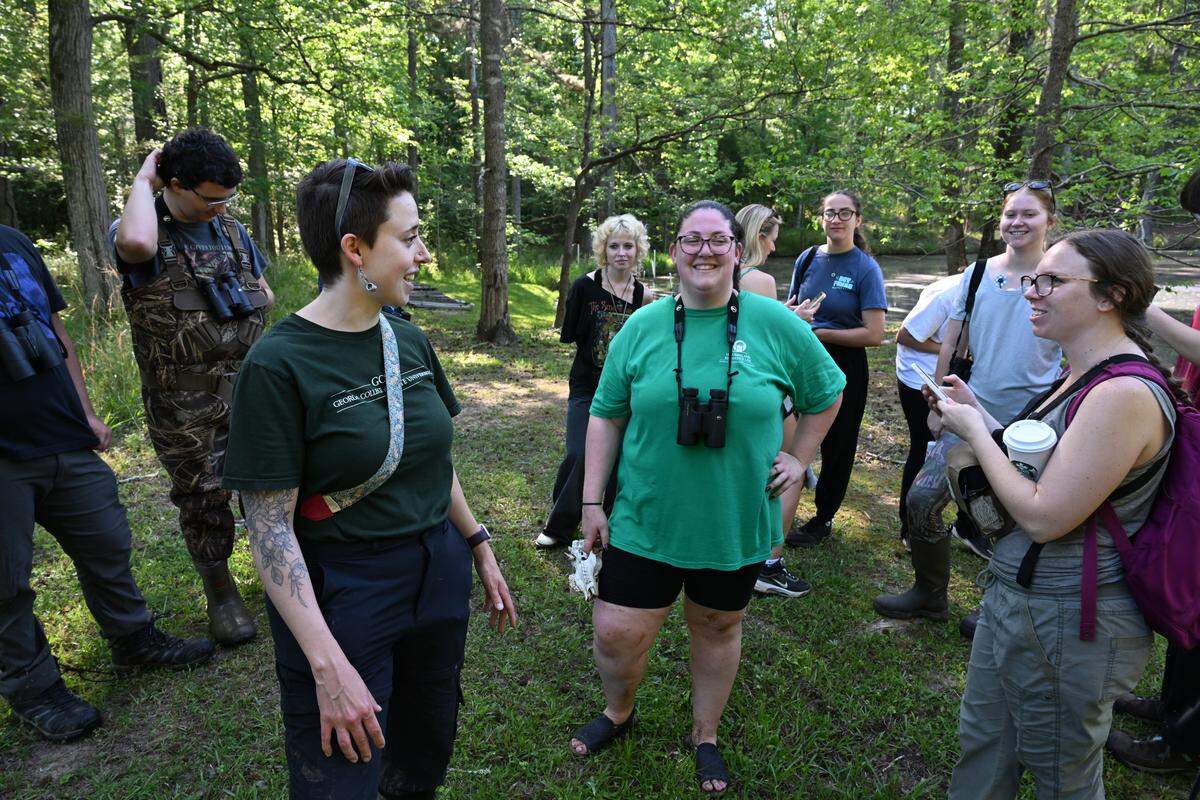
Data collection will be led by Sarah Kennedy, an incoming master’s student in GCSU’s biology and environmental sciences program. Undergraduate students in the ornithology course helped build and install the nest boxes earlier this semester.
“Gaining any kind of fieldwork experience is really high-key,” said Daisy Lot, a senior biology major at GCSU who has been assisting with the project. “A lot of people think conservation biology is just playing in the woods, but it’s a lot of hard work.”
Residents who spot nesting birds in their yards can report them at nestwatch.org, a citizen science project run by the Cornell Lab of Ornithology.