Moroccan immigrant, Macon math teacher runs local sustainable farm. Why he does it
When Rachid Chafyaay immigrated to the U.S. from a small village in Morocco, he didn’t expect to find himself running his own sustainable farm 20 years later.
But with his faith and family top of mind, the Southwest High School math teacher wound up deeply researching farming to find out how to grow his own food.
Chafyaay came to the U.S. in 2004 and soon found himself living in Middle Georgia. By 2008, he was married and starting a family, but they faced two struggles: allergies and finding food that aligned with the rules of their Islamic faith — food that was halal and tayyib.
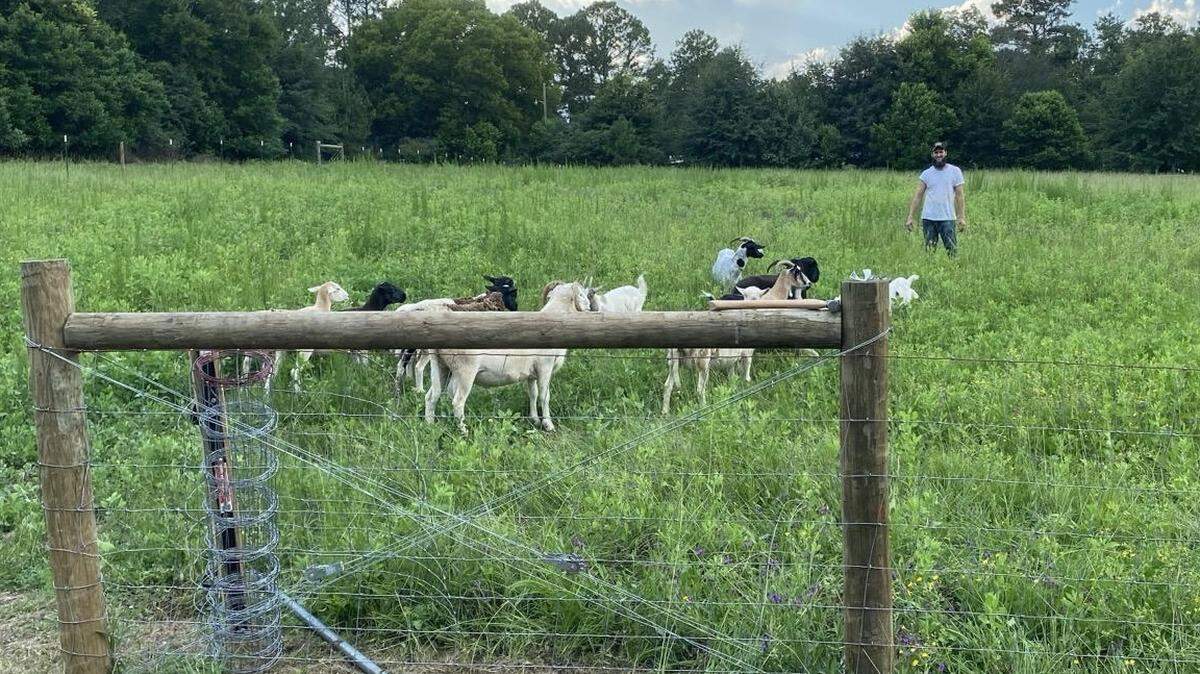
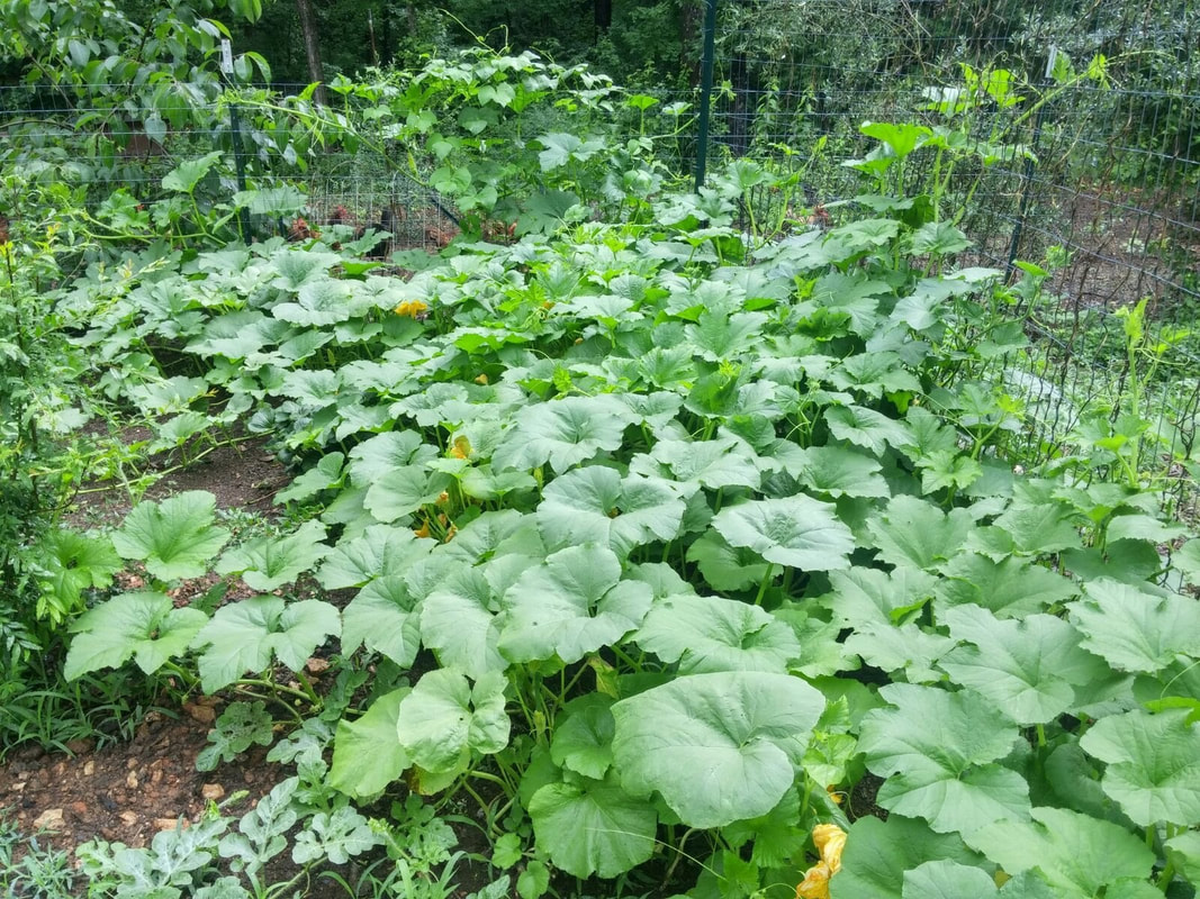
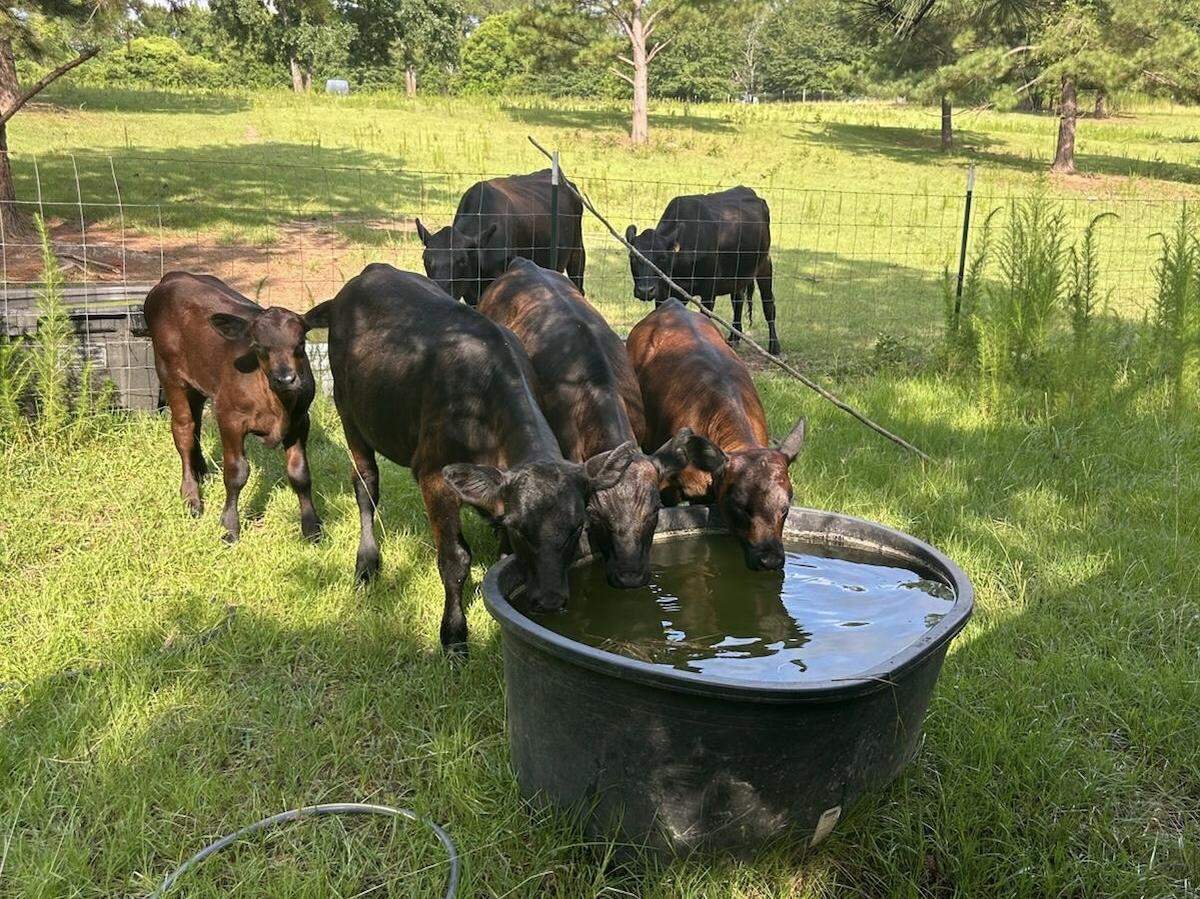
After years of researching about food, where it comes from and how it’s produced in America, Rachid and his wife began homesteading in 2019 with just a vegetable garden. By the next year, they had bought a farm. Today, he estimates the farm produces around 10 cows, 50 to 60 lambs and goats, and 1,000 chickens annually.
“In the Muslim community, there is a huge focus on just halal, which (applies to) how an animal is slaughtered — it needs to be hand slaughtered — and you have to mention the name of God and acknowledge the sacrifice,” Chafyaay said. “The tayyib, which is often overlooked and is also in the religious text, means ... everything should be organic, humane ... and basically just excellent (quality).”
While halal focuses on what’s allowed or lawful, tayyib focuses on the quality and purity of things. Together the two guide Muslims to eat and live in a way that’s both permitted by their religion and good for their well-being.
Both of these standards, and the inability to find a trusted source that met these standards, led Chafyaay to open his own regenerative farm called “Halal-N-Tayyib Meats” right where he lives in Bibb County.
“Sustainability is at the core of our family farm,” their website reads. “We place a strong emphasis on conservation efforts ... by focusing on these practices, we are committed to creating a farm that is not only productive but also environmentally responsible.”
Regenerative farming practices focus on improving soil health, enhancing biodiversity and combating climate change. On Chafyaay’s farm, this looks like rotational grazing, no-till mulching and zero-chemical fertilizers.
“We want the animals to live a healthy life and, of course, not abuse the earth as well,” he said. “If the soil is healthy, the grass is going to be healthy ... and if the animals are eating healthy, then, by extension, we are what we eat, so we are going to be healthy.”
Chafyaay said he learned about regenerative farming and some of those practices like rotational grazing from Joel Salatin, Virginia farmer and a pioneer in regenerative farming.
‘A more friendly environment’
Rotational grazing is beneficial because it distributes where the animals defecate, thereby distributing the nutrients found in their feces. It also avoids the cattle repetitively trampling the same patch of land in a way that compacts the soils so much that soil fauna, like earthworms and rove beetles, can’t move around and “do what they do,” said Dorcas Franklin, professor of crop and soil sciences at the University of Georgia.
No-till mulching is “one of the best solutions” for healthy soil, Franklin said. It preserves a vegetative cover throughout the year, protects the soil from raindrop impact and increases organic matter and carbon content by not breaking up the soil structure.
“You have a happier, more friendly environment,” Franklin said. “When you till it, you kill a lot of microbes, and you kill a lot of the fauna.”
Chafyaay said he learned about no-till mulching from a YouTube video by Paul Gautschi, a decades-long gardener from Washington.
“We just adopted his method, and it made a huge difference,” he said. “Here, the soil was basically clay, so we started doing the mulching, and just like day and night, I mean, with no-till, no chemicals, everything organic, our top soil became so (dense).”
Franklin explained that avoiding chemicals, particularly herbicides and pesticides, preserves beneficial soil microbes and fauna. The beneficial microbial population helps create porosity in the soil, allowing roots to move deeper and creating more volume of soil to capture moisture and nutrients.
More porous soil also means that it’s better able to retain more water, causing less flooding and runoff, according to Franklin.
Chafyaay still considers himself a “new” and “aspiring” farmer since he’s relatively new to to the industry. He’s been teaching since 2009, where he started as a migrant paraprofessional working with Hispanic migrant families and working as a translator. Now he teaches math to ninth through 12th graders, and tends to his farm and animals everyday.
Chafyaay has customers locally and nationally from California to Florida to New York. He doesn’t sell to wholesalers, but rather directly to customers.
Unfortunately, when Chafyaay was recently visiting family in Morocco, a wild pack of dogs killed all of his sheep and goats — 15 adults and eight babies.
Chafyaay has more information about his farm on his website.
This story was originally published March 5, 2025 at 11:13 AM.
CORRECTION: Rachid Chafyaay teaches at Southwest High School. This information was incorrect in a previous version of this story.