The Macon Water Authority wins awards for quality. What ‘magic stuff’ makes it so good?
The Macon Water Authority’s Amerson Plant is multi-award-winning and is recognized as a leading production facility in the U.S. What’s behind that success?
MWA was recently awarded the Water Distribution System Excellence Award at the Georgia Association of Water Professionals’ Fall Conference, which highlighted their commitment to delivering clean, safe and reliable drinking water to customers while complying to the highest operational efficiency and environmental compliance standards. MWA was also awarded “best tasting water in the state” this summer by the Georgia Section of the American Water Works Association.
The people who run the water treatment plant say the “magic stuff” is in the filters. MWA uses granular activated carbon filters, known as GAC filters. They contain charred coconut shells, which have an absorption effect that keep even the smallest microns from getting through into the drinking water, according to Jarad Zellner, director of water treatment for the Amerson plant.
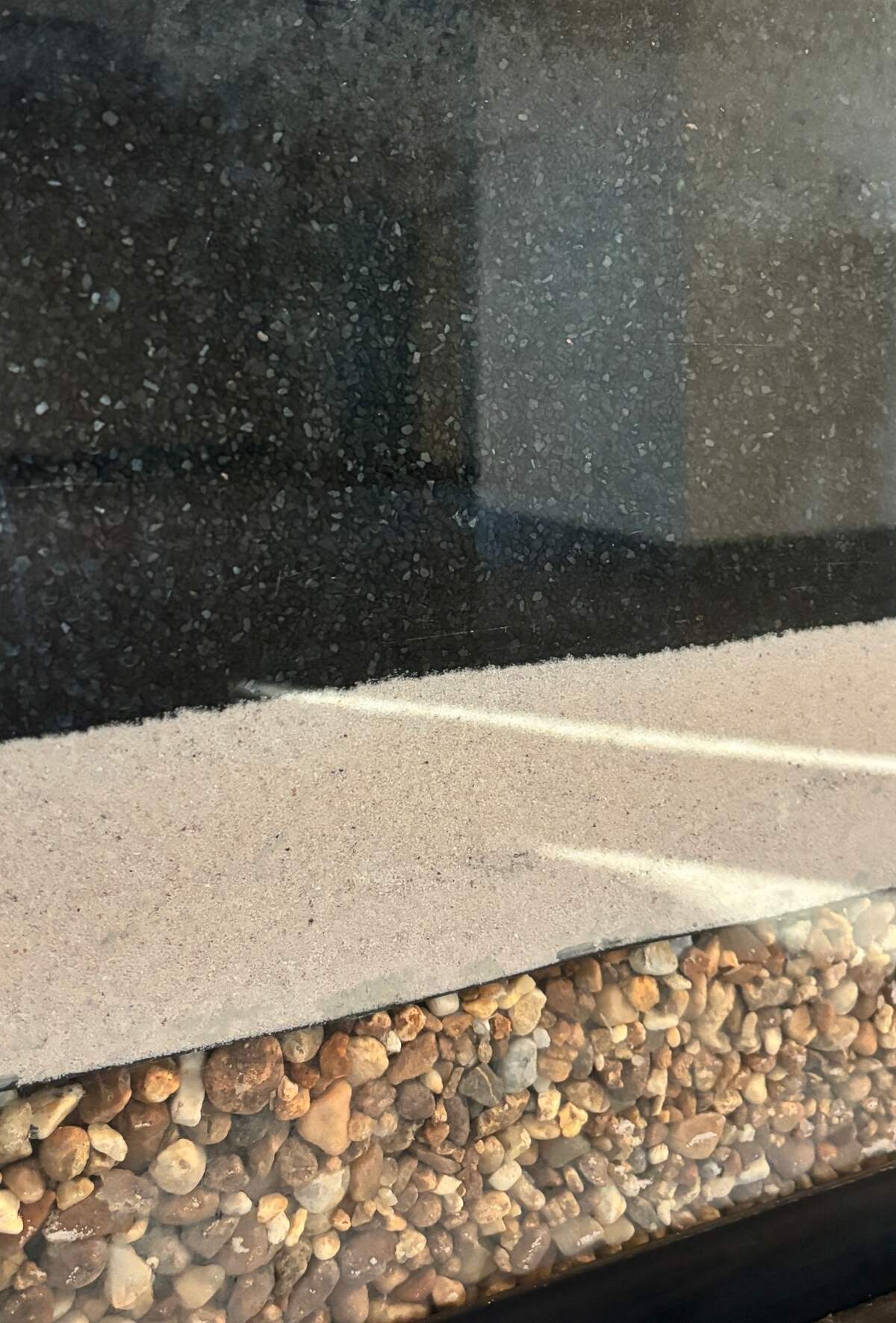
Using GAC filters is also one of the most effective ways to remove PFAS from drinking water, according to MWA’s website.
PFAS are a group of synthetic chemicals that can be found in cleaning products, non-stick cookware, shampoo, dental floss, and more, and while the total health effects are unknown, PFAs are linked to cancer, liver damage, decreased fertility, and increased risk of asthma and thyroid diseases, according to the U.S. Centers for Disease Control and Prevention.
GAC filters are more costly, but greatly reduce the chances of PFAS exceeding the new proposed EPA mandated levels in finished drinking water, according to the website.
The MWA is one of only a few water utilities in Georgia that uses GAC filters as a part of treatment during its drinking water production process. GAC is effective not only in the removal of PFAS, but is also useful in the removal of certain organic substances that might affect drinking water taste and odor, according to the website.
Lab results and data collected from water samples tested in the Fall of 2022 revealed that MWA tap water is clear of potentially harmful PFAS.
“We’ve had (GAC) filters since day one of opening back in 2000,” Zellner said. “Other counties are struggling to find the funding to get these filters.”
Many other treatment plants use anthracite filters, which contain a denser charcoal, according to Zellner,
In addition to the GAC filters, the water operators also credit their award-winning water to having good, raw source water from the Ocmulgee River as opposed to groundwater.
.
The plant provides an average of 60 million gallons per day to Macon-Bibb County.
However, Maconites aren’t the only ones who enjoy this water. The plant also wholesales to Jones and Monroe counties. In addition to these three counties, the Amerson plant provides over 9 million gallons per day to Graphic Packaging International and around 3 million gallons per day to Irving Tissue, both of which are in Macon.
The source water is pumped straight from the Ocmulgee into an onsite reservoir named Javors J. Lucas Lake, which can hold a four-month water supply at 5.8 billion gallons of water.
The water then moves from the reservoir through the first phase of the cleaning process — coagulation and flocculation. In these steps, a chemical, called a coagulant, is added to the water to make tiny, unwanted particles stick together by changing their charge. It’s then stirred to make larger and heavier clumps called “flocs,” which separate from the water particles and settle at the bottom of the basin, according to Zellner.
Coagulation and flocculation are just the first parts of the cleaning process.
“There’s certain things that we then use, like chlorine dioxide, that burns iron and manganese out of the water,” Zellner said. “I don’t want brown water out in the system, and that’s what that takes care of.”
The water then moves through the filtration building which is where the GAC filters come into play.
“We’ve really got clean water as soon as the water moves through those filters,” said Zellner.
After moving through the filtration building the water goes to post treatment, where chlorine is added for disinfection, fluoride is added for dental health and lime is added to adjust the pH balance.
The chemical treatment process during drinking water production also includes: alum, phosphate, potassium permanganate and powdered activated carbon, according to the website.
“All of these chemicals serve different purposes during the various stages of water production to assure the best possible water quality and safety,” the website said.
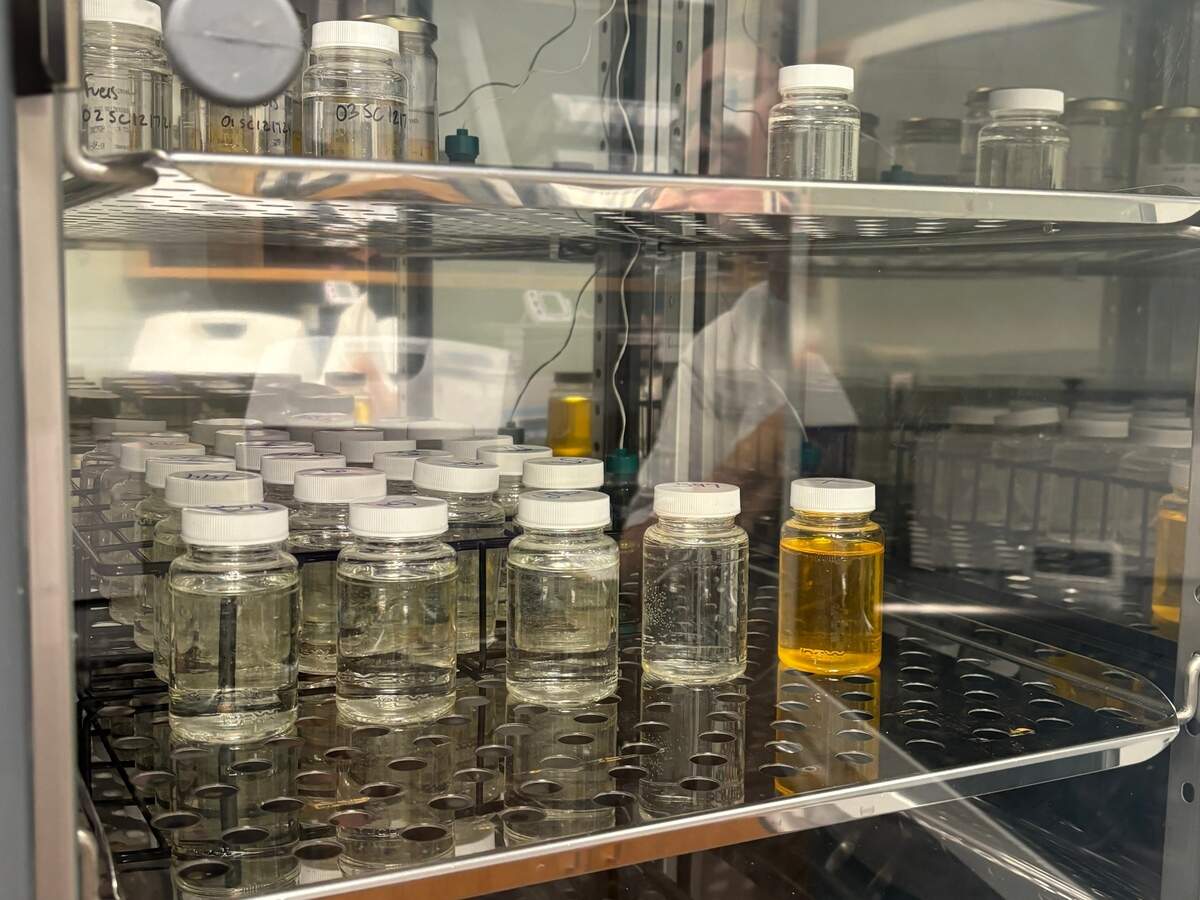
The EPA requires that the water operators run 200 tests a day, from 12 a.m. to 11 p.m., 365 days a year, according to Zellner.
It also requires that MWA take 120 random samples a month from residences, churches, businesses and restaurants to assure that the water is meeting standards.
This story was originally published January 1, 2025 at 5:00 AM.