
Macon returns to WH red zone, rapid tests sent to FVSU and more COVID-19 updates
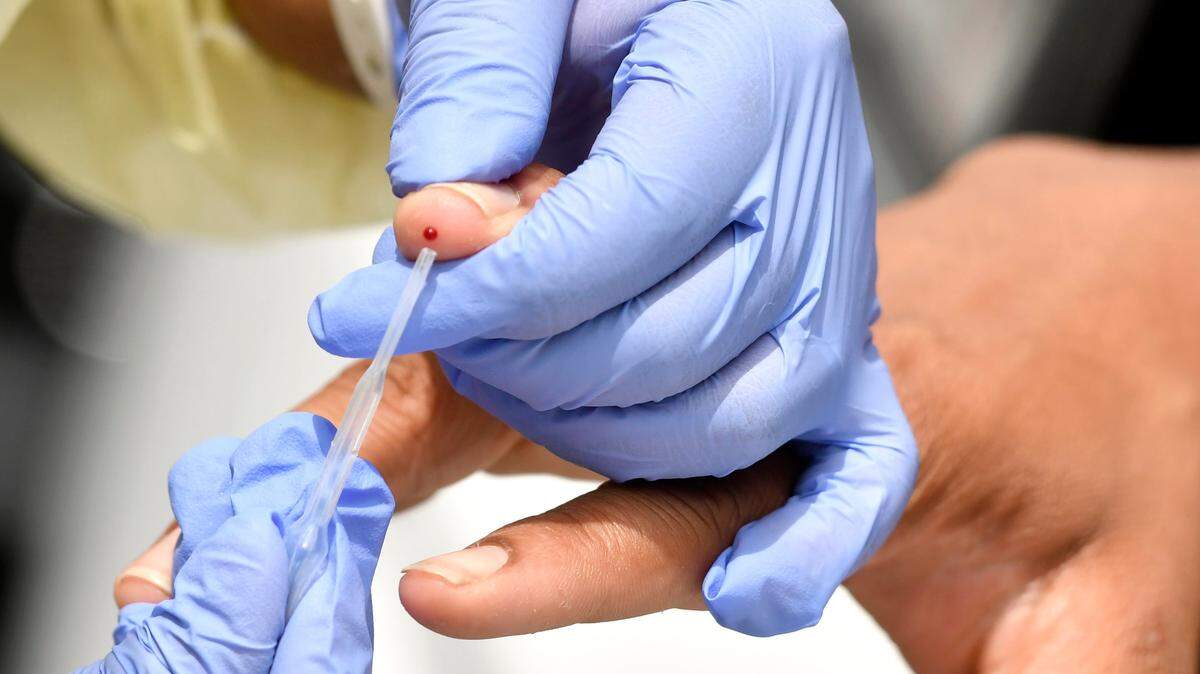
Over the next few weeks, the White House will send rapid COVID-19 tests to Historically Black Colleges and Universities across the country, including Fort Valley State University in Peach County.
More than 250,000 rapid tests were sent to over 40 HBCUs in the first shipment. In addition to these tests, another 300,000 are expected to go out in a second shipment to 65 universities that did not receive them in the first shipment.
The program’s goal is to “ensure rapid diagnosis and isolation of both symptomatic and asymptomatic cases,” according to the White House.
Augusta University Health has started offering saliva COVID-19 tests, according to a press release from the university. Pediatric testing began earlier this week and adult testing will begin Sept. 28.
Augusta is one of the few places in the country currently saliva sampling for the coronavirus, considered a safer test for the test collector in addition to being less invasive than the nasal swab.
Middle Georgia Cases
The Georgia Department of Public Health reported 17,353 cumulative COVID-19 cases in Middle Georgia in its 3 p.m. update Wednesday.
Here are key takeaways:
Cases: 17,353 (+660 reported since Wednesday, Sept. 16). Bibb County has recorded the most positive cases with 5,995.
Deaths: 541 (+41 reported since Wednesday, Sept. 16). It’s important to note that these numbers indicate when deaths are reported to the Georgia Department of Public Health. It does not reflect when these deaths occurred.
Hospitalizations: In Region F, which includes Bibb County and much of Middle Georgia, 74.7% of hospital beds were in use, 68.2% of ICU beds were in use and 42.39% of adult ventilators were in use.
Cases per person: Baldwin County has the most cases per 100,000 with 4,677. Bibb is next with 3,940 cases per 100,000 people. Crawford has one of the lowest rates in the state, with 1,357 per 100,000.
The following is a breakdown of cumulative cases and deaths for counties in Middle Georgia.
- Bibb 5,995 cases - 159 deaths
- Houston 3,083 - 80
- Baldwin 2,078 - 56
- Laurens 1,609 - 64
- Monroe 666 - 50
- Peach 662 - 23
- Washington 657 - 8
- Jones 538 - 8
- Bleckley 426 - 19
- Dodge 415 - 12
- Wilkinson 333 - 18
- Pulaski 311 - 22
- Macon 228 - 10
- Twiggs 186 - 7
- Crawford 166 - 5
The state reported 1,577 new cases across the state and 98 new deaths Wednesday.
Federal, state and county data
According to the Georgia Department of Health, the seven-day average of new cases reported remained flat from Sept. 14 through Sept 21. This is down 53% from the state’s peak on July 24. The highest percentage of cases are in large counties in the metro Atlanta area. The state reported over 2.7 million COVID-19 tests as of Sept. 21.
White House report: In Middle Georgia, the metro areas that include Macon, Warner Robins and Milledgeville are in the “orange zone,” according to the latest update from the White House Coronavirus Task Force. The “orange zone” indicates the metro areas reported between 51-100 new COVID-19 cases per 100,000 people and a test positivity between 8%-10%.
Bibb County itself has has moved into the “red zone,” which means the county is reporting more than 100 new cases per 100,000 people and has a test positivity rate above 10%. Over the last six weeks, the number of Georgia counties in the red zone has decreased from 109 to 47.
Dublin is in a yellow zone, which indicates the cities reported between 10-50 new COVID-19 cases per 100,000 people and a test positivity rate of between 5-7.9%.
The state of Georgia is still in the red zone for cases ,indicating more than 101 or more new cases per 100,000 population last week, reporting the 14th highest case rate in the country.
Georgia is in the yellow zone for test positivity between 5% and 10%, the 17th highest rate in the country. According to the Johns Hopkins Coronavirus Resource Center, a high positivity rate may indicate Georgia “is only testing the sickest patients who seek medical attention, and is not casting a wide enough net to know how much of the virus is spreading within its communities.”
The White House task force wrote that “progress is evident and needs to continue and ensure no reversal of hard-fought gains.” and added that the key is to continue to mitigate the spread of the virus by wearing masks, physical distancing, hand hygiene, and avoiding crowds.
The task force recommends that residents in a red zone implement the following measures:
Wear a mask at all times outside the home and maintain physical distance
Limit social gatherings to 10 people or fewer
Do not go to bars, nightclubs, or gyms
Use take out or eat outdoors socially distanced
Protect anyone with serious medical conditions at home by social distancing at home and using high levels of personal hygiene, including handwashing and cleaning surfaces
Reduce your public interactions and activities to 25% of your normal activity
According to the North Central Health District, the COVID-19 incidence rate for Bibb County residents over the most recent reporting period (Aug. 31- Sept. 13) was 196 cases per 100,000 residents. The previous two-week incidence rate was 316 per 100,000. From Aug. 31 through Sept. 13, 96% of cases were linked to community spread and not a specific outbreak. The vast majority of cases linked to outbreaks were associated with congregate care settings, such as nursing homes.
Hancock, Monroe and Twiggs counties were the only NCHD counties to report an increase in the new case rate. In Hancock County, the rate increased by 21% from the previous 14-day period. In Monroe County, the rate went up by 8% from the previous 14-day period. In Twiggs County, the rate went up by 56% from the previous 14-day period.
The North Central Health District covers 13 counties, including Macon-Bibb, Houston and Peach. It also includes the following colleges and universities Georgia College, Fort Valley State, Mercer and Middle Georgia State University.