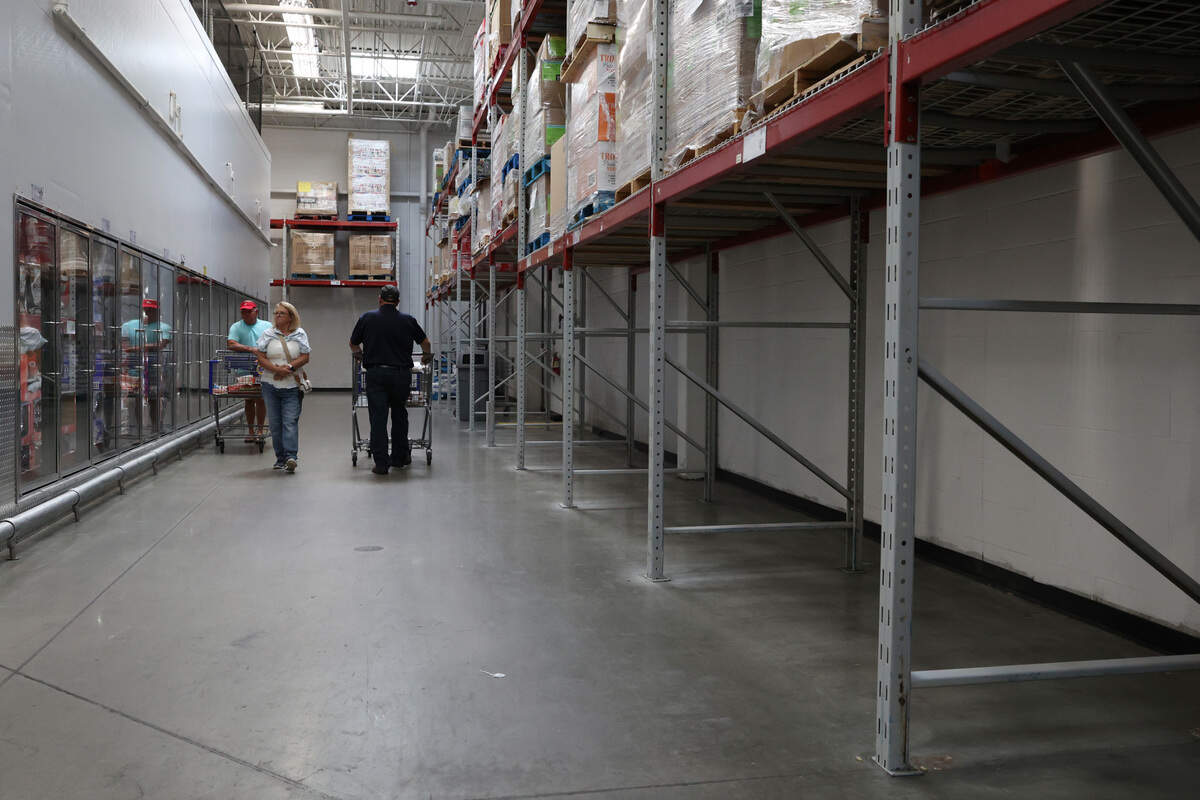
Panic-buying emptied Macon store shelves during short docks strike. Will effects linger?
Andrew Tidwell, a Macon resident, went to a local Sam’s Club to buy white bread, but instead walked out with a heavy sack of flour.
He decided to homebake bread after shelves at other stores including Publix, Walmart and Kroger were almost completely out of essentials.
“I’m just going home to make some. Put it in the oven and let it go,” Tidwell said, shrugging.
The briefly-lived ports strikes in the U.S. were expected to only affect goods coming in from the coast. But panic-buying appeared to set in at grocery stores in Macon, and items produced domestically, such as bread, were running low.
Bulk grocery buying while U.S. dockworkers reached a potential wage deal Thursday, according to the Associated Press, left store shelves empty. Consumer wallets could be impacted even after workers get back on the job Friday.
A major dockworkers’ union, the International Longshoremen’s Association, halted its three-day strike Thursday when the U.S. Maritime Alliance agreed to negotiate a new contract on wages.
Customers in Macon and across the U.S. quickly swarmed stores including Walmart, Sam’s Club and Publix as soon as the strike began. Essentials such as water, bananas, bread, paper towels and toilet paper ran low at several locations.
‘A pseudo crisis’
Arnab Nayak, economics and business analytics professor at Mercer University, said the temporary lack of workers or strike itself should not impact prices of goods. But “panic-buying” could.
“For a short spell of strike … I do not see that happening without the combined effects of speculation on both sides, retailers opportunistically price gouging and reducing supply, and consumers also panic-buying and feeding the price gouging,” Nayak said.
Nayak noticed a similar trend during the COVID-19 pandemic.
“This is the hoarding of the most essential psychology doing its trick again,” he said. “It is a pseudo crisis created by our selfish brains, which is panicking.”
Nayak said people should have been more concerned about perishable goods not produced in the U.S., or produced in small amounts, such as some vegetables, meat and seafood.
A spokesperson for Sam’s Club, which is owned by Walmart, said the company was working to have item shortages replenished Thursday, when many shelves were still empty at the Macon site.
“We are seeing elevated demand for certain items – most of which are manufactured in the U.S. – in clubs across the country,” the company said in an email statement. “Because of the health of our supply chain network, we remain confident in our ability to deliver for members.”
Publix posted signs in some stores that asked customers to only purchase what’s necessary.
“Our suppliers’ paper products are made in the U.S. and not impacted by the port strike. Stores are receiving routine deliveries. Please purchase your immediate needs and leave some for your neighbors to prevent temporary shortages,” the signs said.
.jpg "IMG_9513 (1).jpg")
The union’s strike halt is temporary until Jan. 15, which is the agreed deadline to negotiate a new contract, according to the AP. If the contract does not meet the union’s standards, it’s possible a strike could resume.
Additional pressure after Hurricane Helene only worsens the stock shortages.
Ali Tolooie, supply chain management professor at Mercer University, said gas prices could climb when people panic.
“Gas prices might rise as well if the hurricane disrupts oil production and refining processes or if the port strikes impede the import and export of oil and gas products,” Tolooie said. “Hurricane Helene has damaged roads and infrastructure in Georgia and neighboring states, making it more difficult and costly to transport goods from producers to retailers.”
This story was originally published October 4, 2024 at 12:33 PM.