
How are the Macon, Warner Robins area economies expected to fare in 2022? Here’s a look
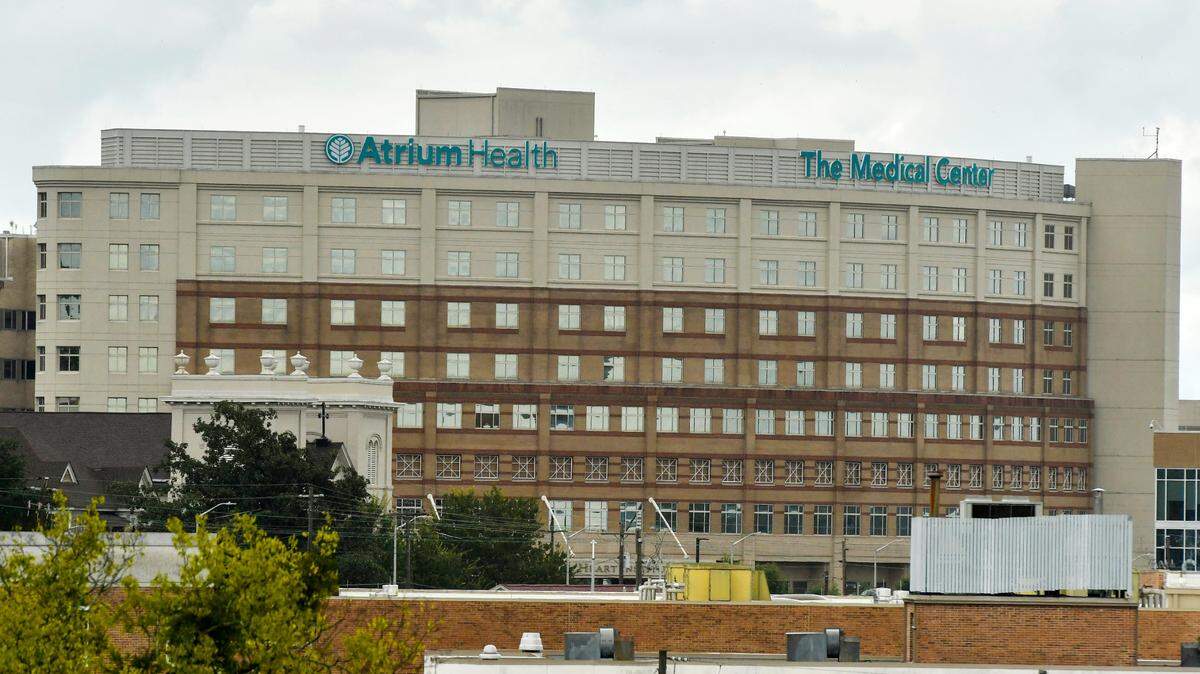
Both Macon and Warner Robins are well on their way to recovering from the economic downturn attributed to the COVID-19 pandemic but at a slower pace than the state, according to a University of Georgia report.
Georgia is expected to gain 143,900 jobs statewide this year, surpassing its pre-pandemic number of jobs, according to the 2022 Georgia Economic Outlook from UGA’s Terry College of Business. That’s a job growth rate of about 3.6% for the state.
The Macon Metropolitan Statistical Area (MSA) is expected to gain 1,500 jobs, or a job growth rate of about 1.5%. The Warner Robins MSA already has recovered more jobs than the state, according to Alexandra Hill, senior data analyst with the UGA Selig Center for Economic Growth.
Hill recently drilled down the outlook for Macon and Warner Robins MSAs.
Macon MSA
The Macon MSA’s strengths include a solid manufacturing, transportation and warehousing sector, a strong health care industry and a promising housing market.
“One of Macon’s primary strengths relates to its proximity to the Atlanta MSA,” according to Hill’s prepared remarks. “Macon functions as a manufacturing, transportation and warehousing hub between the ports on the coast and Atlanta.
“Macon still has room to grow in this regard because it is less built-out and congested than the Atlanta MSA. Macon also has a comparatively low cost of living and cost of doing business.”
Compared to the nation, the cost of living is 9% lower and the cost of doing business is 23% lower, according to the report. Also, the migration rate has improved since 2010.
On the down side, the financial services industry is expected to struggle to recover to pre-pandemic performance, Hill said. One in 10 people in the Macon MSA are employed in the financial services industry, she said.
Challenges identified for the Macon MSA include low educational attainment, low per capita income, high poverty, few high-wage job opportunities and a skills mismatch.
“There are two Macon residents with less than a high school education for every one job at that skill level,” Hill said. “The mismatch at the bachelor’s degree level is not quite as profound, but there are more jobs than qualified residents with college degrees in Macon.
“That means that more highly qualified positions stay open for longer, discouraging higher paying employers from opening or expanding in the MSA.”
Some key takeaways:
- Primary industries, which make up just under half of non-farm employment, include healthcare and education 21%, government 14.5% and financial services industry 10%.
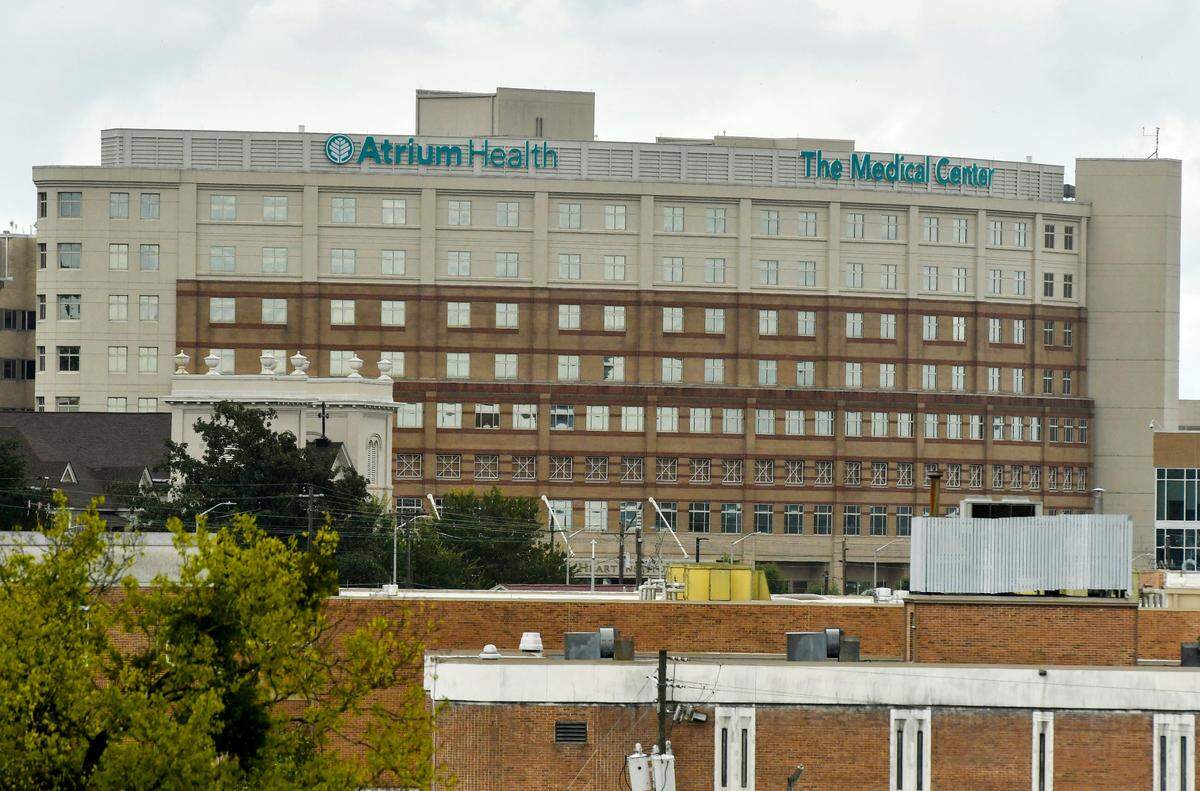
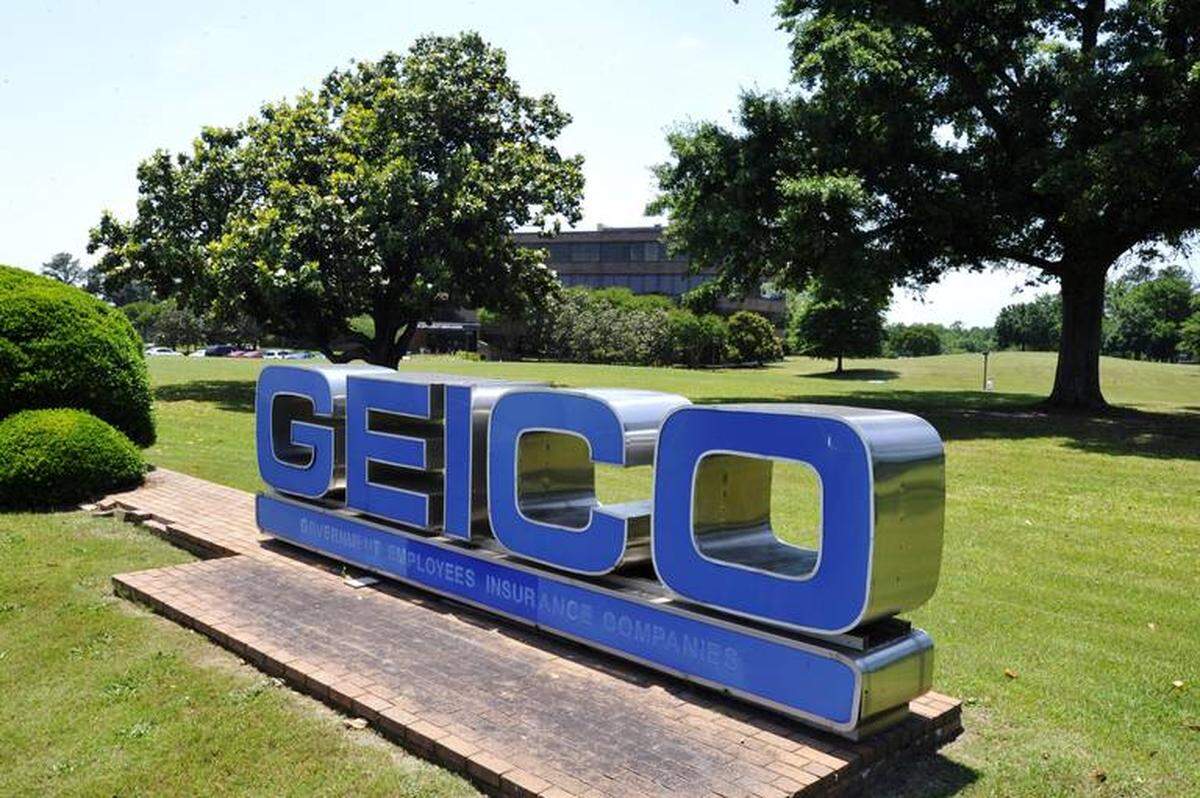
- Top employers include GEICO (5,500); Atrium Health Navicent The Medical Center (4,800); Coliseum Health Systems (1,805); Mercer University (1,000); and the Georgia Farm Bureau (998).
- Housing costs are up by 18% over the last six quarters. Also, 16% of homes are undervalued, according to Moody Analytics estimates.
- The average number of building permits for single-family homes has increased monthly since 2019. “According to the most recent month’s data, there is one new home in Macon being built each day,” Hill said.
- The Macon MSA population decreased by 1% since 2010, with the population in Twiggs County down 10.3% according to the U.S. Census Bureau. But Monroe County’s population is up by 7.4%.
- Macon’s rate of job recovery has slowed. As of November 2021, Macon was 1.4% below its November 2019 level while Georgia was 0.5% lower than its job level in November 2019.

Warner Robins MSA
Robins Air Force Base, the state’s largest employer, and accompanying military spending continue to bolster the Warner Robins MSA economy.
The cost of living is 8% lower and of doing business is 20% lower than the national average.
Government and manufacturing jobs remain strong, while leisure and hospitality sectors are recovering more slowly. The housing market also is robust, with more people choosing to live in the Warner Robins MSA.
“Warner Robins primary strength is Robins Air Force Base, which employs about one in five residents and benefits directly from increased military spending,” Hill said. “Just like Macon, the cost of living and cost of doing business in Warner Robins is significantly lower than in the US.
“Warner Robins also has a strong housing market and, unlike Macon, has seen growth in the labor force and the overall population since 2010.”
A strength identified was also noted as weakness: low industrial diversity with 37% of all jobs generated in the government sector. Other weaknesses cited include below average capita income and a lack of major higher education institutions.
Some key takeaways:
- Primary Industries include federal government 20%, leisure and hospitality 12% and manufacturing 11%.
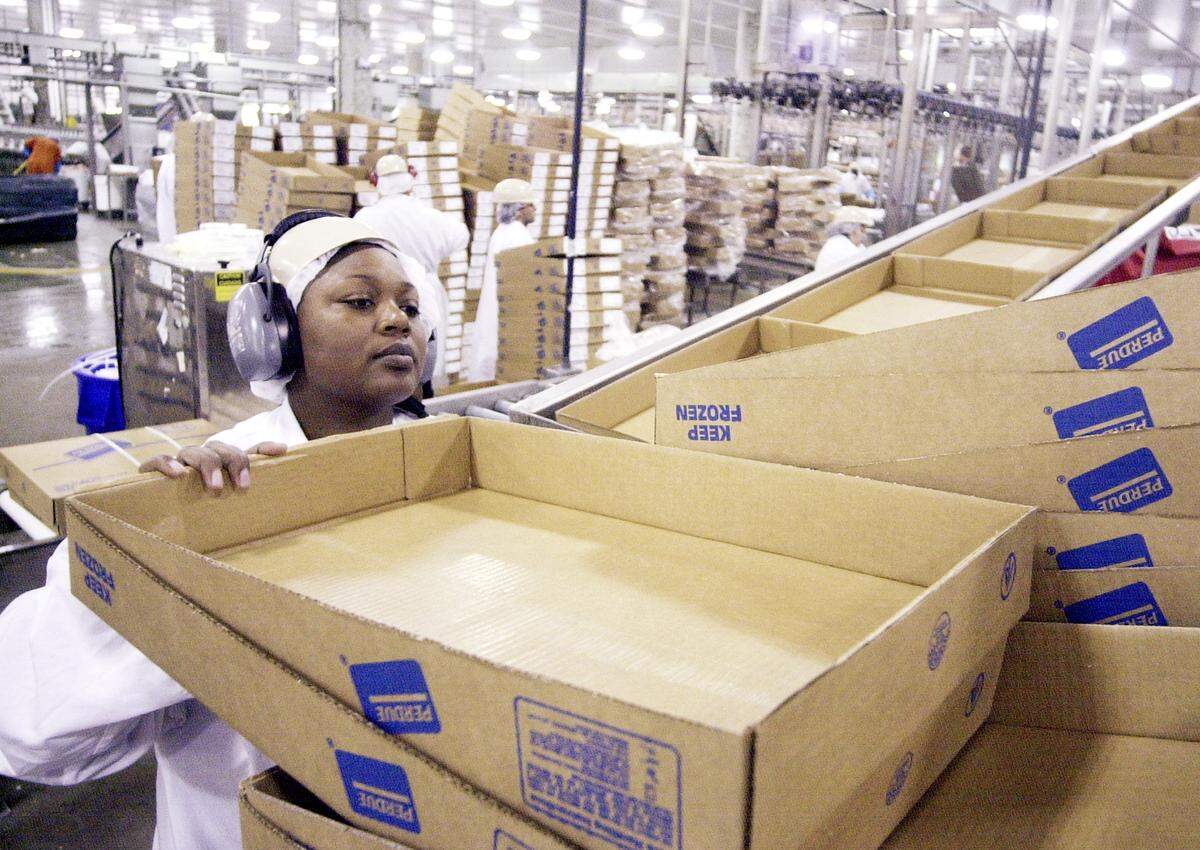
- Top employers include Robins AFB (24,500), Perdue Foods (2,520), Houston Healthcare Complex (2,475) and Blue Bird Body Co. (998).
- The cost of housing increased by 17% over the last six quarters. Warner Robins homes are 7% undervalued, according to Moody Analytics estimates.
- The Warner Robins MSA population increased by 12.2% since 2010, while Houston County increased by 14.7% and Peach County dipped by 0.4%, according to the U.S. Census Bureau.
This story was originally published February 21, 2022 at 12:00 AM.