
Funeral service changes mirror evolution in attitudes about death and grieving
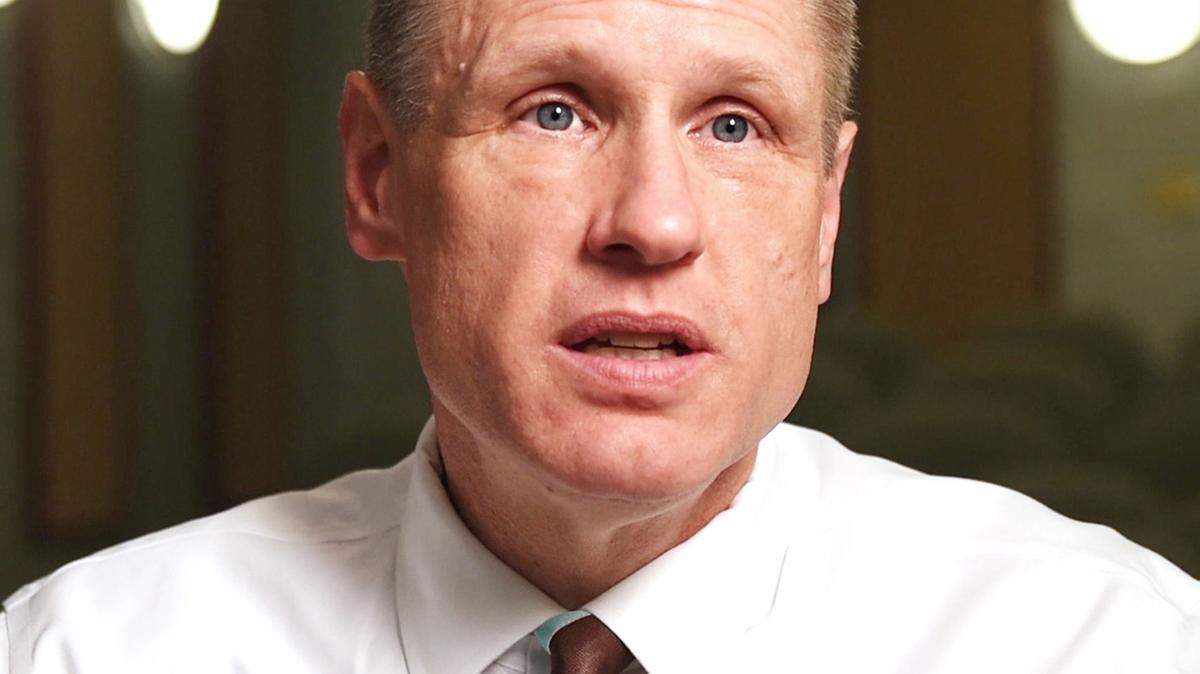
PITTSBURGH -- For much of his 30-year career as a Baptist minister, Doug Manning once believed it was his job to keep mourners' emotions in check.
"If I got through a funeral and people didn't cry, I thought I'd done a good job," said the former Baptist minister. After all, he'd grown up in a mid-century culture with a "horrid fear of any public demonstration of grief."
That changed for him in the 1970s when he tried to calm a devastated mother who had suddenly lost her 18-month-old child.
"Don't take my grief away from me. I deserve it, and I'm going to have it," she told him.
"That woman changed my life," Manning said. "I realized I didn't know anything about grief, but it made sense to me if somebody was hurt, they ought to have a right to grieve."
He eventually left the ministry, focused on writing about grief and created an Oklahoma City-based institute that trains people to become funeral celebrants -- conducting customized memorials that often diverge widely from traditional religious services.
But even the religious have joined in a seismic revolution of Americans taking ownership of their public grieving.
In some religious traditions, the traditional funeral liturgy has held firm, but even many church funerals would have been little recognized by the Pastor Mannings of yore.
There are elaborate video tributes and samples of the favorite music of the deceased. There are open-mic times for anyone to offer a eulogy, which some find cringe-inducing but others welcome. The reverent and the playful can be blended, said the Rev. Dawn Lynn Check, pastor of United Methodist churches in McKeesport and Dravosburg, Pennsylvania.
"Everybody grieves differently, so a worship service, a celebration of life, needs to be customized," said Check. Among the most healing funerals she's conducted include one where everyone wore baseball caps similar to those that had always adorned the head of the deceased and another in which the church ladies distributed hot dogs in tribute to the departed's favorite food.
While nontraditional memorial services are more common in socially liberal regions such as the Pacific Northwest, changes are evident everywhere.
"Western Pennsylvania is more traditional," said Roland Criswell of Coston Funeral Homes. But "you're starting to see services where people have no church connection (saying), 'We don't want a priest or minister preaching.' "
He added: "The traditional liturgy is being squeezed out because there's so much more time being spent on the other things. Now you have videos, you have performances. You might have a granddaughter and she does mime, and that's how she wants to do a tribute."
In Protestant churches, where funeral traditions vary widely, some have accommodated changing tastes more than others. In Catholic churches, however, the funeral liturgy is more fixed.
The Catholic Church tries to balance the personal and universal in its funeral rubrics -- for example, prescribing a limited selection of hymns and scriptures, but having the family choose from among them, said the Rev. David Bonnar of St. Bernard Catholic Church in Mount Lebanon, Pennsylvania.
Jewish grieving rituals are facing changes of their own, said Rabbi Aaron Bisno of Rodef Shalom Congregation in Oakland, Pennsylvania. They continue to have ancient prayers such as the mourner's kaddish. But whereas traditionally only a rabbi delivered the eulogy, increasingly family members now want to speak as well.
But perhaps the biggest change is taking place among those who attach little or no importance to religion.
More than a quarter of Americans don't expect to have a religious funeral, according to a 2008 survey by researchers at Trinity College of Hartford, Connecticut.
In 2015, 67 percent of adults 40 and over said it was important to have a religious component in a loved one's funeral -- down from 79 percent in 2012, according to online surveys commissioned by the National Funeral Directors Association.
More than a fifth of all American adults, and a third of young adults, now claim no religious affiliation, according to a 2014 Pew Research Center survey.
"The Gen-Xers are getting ready to bury us. They have no language, no commonality for what a religious funeral would look like," said Glenda Stansbury, Manning's daughter and dean of the Oklahoma City-based In-Sight Institute, which trains funeral celebrants to conduct services tailored to the story of the deceased and the grief of the survivors.
This story was originally published April 8, 2016 at 9:07 PM.