
Strategic planting for a healthy garden
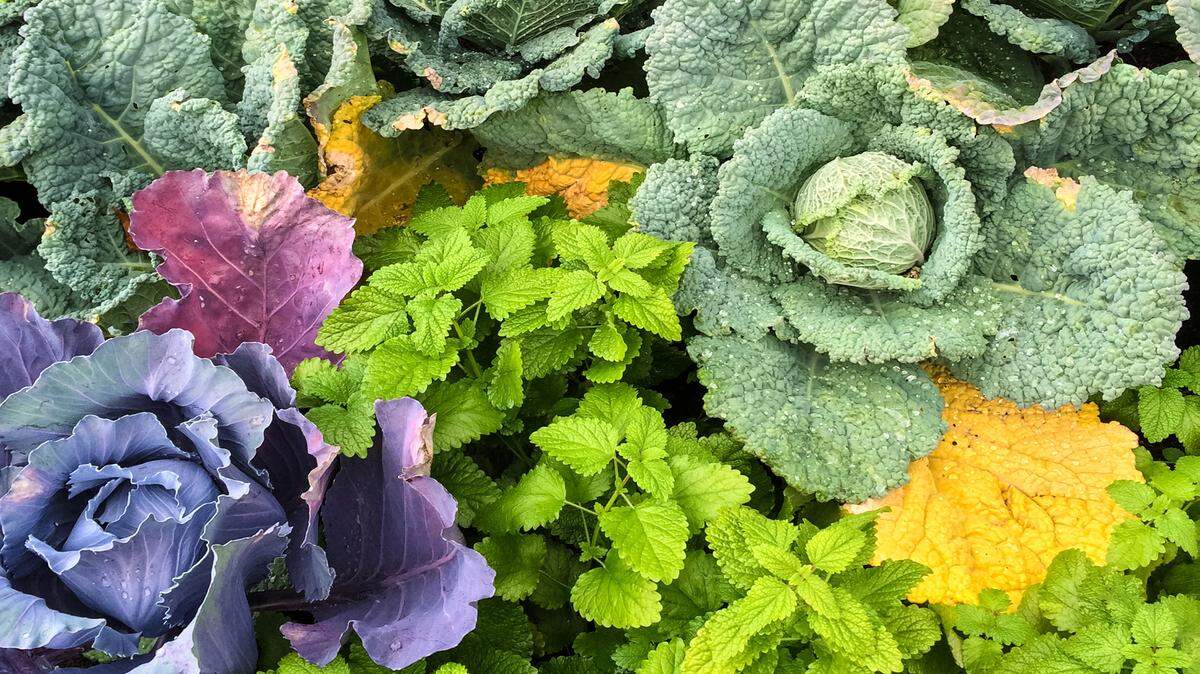
You put a seed in the ground, water it and watch it sprout, and eventually it becomes a plant, indicating it's alive only because it grows, and it's about as passive as a living, growing thing can be.
You might believe this to be true, as we don't typically consider plants to be willful, but they aren't innocent bystanders. The plants you think are sitting passively in your garden are actually waging chemical warfare.
When you introduce a plant to nature, you're forcing it to live in a community rife with threats, where it literally has to fight for its life. It must compete with other plants for nutrients, space and water. An army of insects is always poised to attack, and neighboring plants could be conspiring to poison it. It's a jungle out there.
Nature, however, has a few tricks of its own. Your plants are armed and ready to face the enemy, and they're always on the defense. They produce chemicals to fend off insects and disease, and can even take advantage of their neighbor's chemical- and disease-fighting properties.
The good news is we humans can be just as opportunistic and use their hard work to save money while sparing the environment and our dinner plates from unnecessary chemicals. All we need to do is familiarize ourselves with the inner workings of each plant's defense mechanism and strategically use it to our advantage.
People dependent on plants for food have known this for centuries, presumably from trial and error, and employed calculated and shrewd methods to protect plants long before the advent of pesticides. This practice has become known as "companion planting."
The most famous of these methods comes to us from the Iroquois, who knew that planting corn, pole beans and squash together resulted in a healthy, abundant crop of each: The corn served as a support on which the beans climbed; the beans soaked up nitrogen from the air and distributed it to the soil, where it fertilized all three plants; and the squash's large, prickly leaves kept the soil covered, cool and free of weeds, while discouraging hungry critters from invading. They called this trio "the three sisters."
All legumes, such as the beans in the three sisters garden, plus lentils, soybeans, peanuts and even wisteria, nourish the soil in which they're planted -- to their advantage as well as to the advantage of plants growing nearby.
Other plants, however, produce chemicals that are toxic to their neighbors. Black walnut trees are among the worst offenders, as their roots emit a natural herbicide into the soil around them, as do fallen leaves and nuts. Apples, asparagus, tomatoes, potatoes and lilacs are among the most susceptible.
Other plants, however, such as onions, squash, carrots, arborvitae, rose of Sharon, Siberian iris, zinnia and -- ironically -- poison ivy, are seemingly immune and can grow nearby perfectly unscathed.
Here are 16 plants to use strategically for a healthier garden:
Basil: Repels aphids, flies, mosquitoes and mites; also has fungicidal properties. Plant around tomatoes to repel hornworms.
Borage: Repels tomato worms.
Catnip: Repels ants, fleas and mosquitoes.
Chamomile: Repels cabbage moths.
Chives: Plant around roses and lettuce to repel aphids.
Lavender: Repels slugs.
Marigolds: Pests (aphids, bean beetles and others) find their scent repulsive, so plant them throughout the vegetable garden. French and African varieties eliminate nematodes from the soil.
Mint: Repels aphids, cabbage moths and cabbage worms. Plant in containers, though, or it will take over your garden.
Nasturtium: Repels aphids, spider mites and whiteflies. Plant around fruit trees, cucumbers, squash and tomatoes (for improved flavor).
Onion: Repels ants, aphids, borers and moles. Also discourages black spot on roses. Plant around carrots, beets, strawberries, tomatoes, lettuce and cabbage, but avoid it around beans, parsley, peas and leeks.
Oregano: Repels cucumber beetle.
Petunia: Repels aphids, leafhoppers and Mexican bean beetles.
Radish: Plant around cucumbers and squash to trap beetles.
Rosemary: Deters cabbage moth, bean beetles and carrot fly.
Thyme: Deters cabbage worms and slugs.
Tomatoes: Plant around asparagus to repel asparagus beetles, and around roses to help prevent black spot. Keep away from cabbage, fennel and potatoes.
This story was originally published January 20, 2016 at 7:42 PM.