
How to dry and store herbs for best flavor later
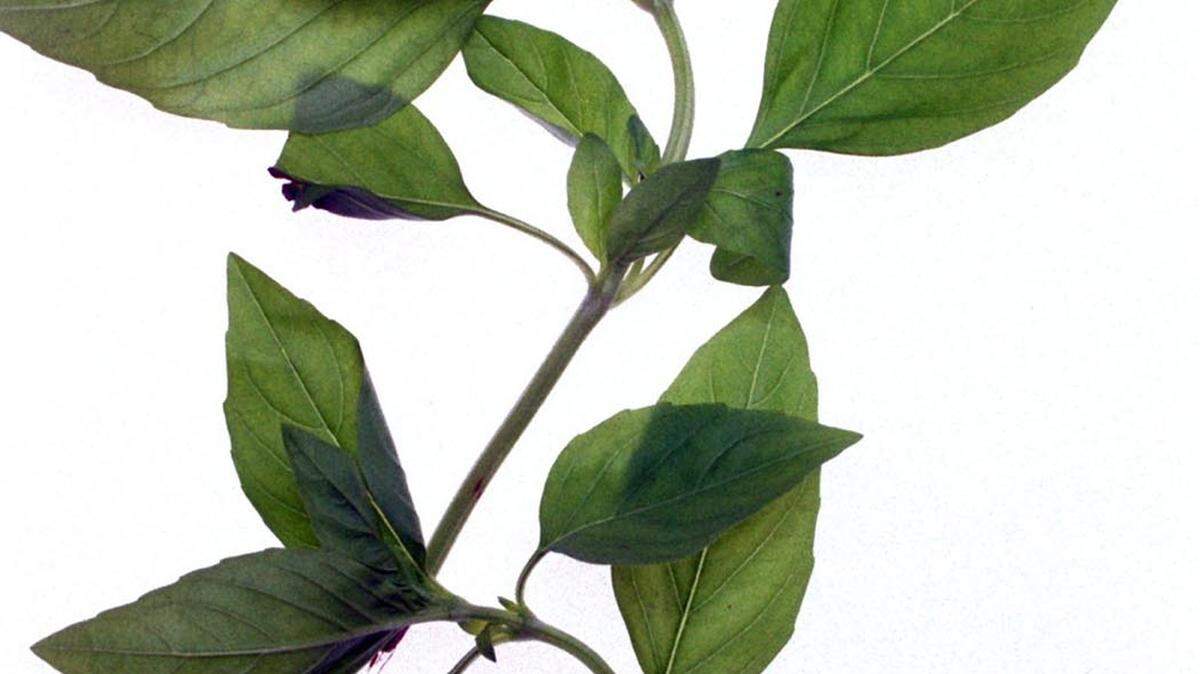
In fall, herb gardeners are overcome with the need to harvest and dry our herbs. We scout for flat surfaces around the house. Spare tables, the top of the clothes dryer, nothing is safe. Clippers in hand, we raid our gardens for armfuls of basil, rosemary and sage. Green mounds spring up in the house and may even spill over into the garage.
If you are an herb gardener, you know that harvesting is the fragrant payoff for all that weeding and watering. If this is your first year growing herbs, you may feel a little uncertain about how to do it.
Never fear: All you have to do is adopt my five-step program and you'll be on your way to a bounty of flavor and fragrance from the basil, thyme and other herbs in your garden.
1. Gather equipment: Begin by gathering your harvesting equipment. Use sharp garden clippers so you don't mangle the stems. Clean cuts mean less chance for disease to get a foothold on the plant. Have something to carry the clipped herbs: A bucket, a large basket or paper grocery bags will do the trick.
Wear sturdy garden gloves. I recommend the ones with stretch knit fabric and rubberized palms. They combine safety with flexibility.
2. Start snipping: Go out to the garden and start snipping stems. This is best done during the cooler hours of the day. Herbs harvested midday are less likely to be at peak flavor.
Perennial herbs such as oregano and thyme are the simplest to harvest. Cut about one-third to one-half of the plant's height anytime during the growing season. Removing too much can stress the plant. Clip the stem just above a leaf node to encourage future growth.
Basil, chervil and other annual herbs grown for their leaves also can be harvested periodically during the garden year. In fact, regular harvesting throughout the year will encourage fresh growth and give you a larger total amount of the herb. As with perennials, only clip about a third to a half of the leaves on the herb.
Gathering dill, fennel, caraway and other seed-producers requires more careful timing. Watch for the seeds to plump and turn brown. Clip the heads immediately or you'll lose your harvest to hungry birds or high winds.
3. Bring herbs indoors: Bring the cuttings indoors for the next step. Leafy herbs need a quick bath to remove any dust and dislodge most garden insects. Fill the sink or a dishpan with water. Dip the herbs in the water, and swish them around a bit. Then lift them out of the water (leaving the debris behind) and shake slightly to allow excess water to drain off. Place on a cotton towel and pat dry.
4. Dry carefully: The fourth step to preserving is the drying. Lay large stalks in a single layer on an absorbent towel or screen placed on a flat surface. For small-leaved, short-stemmed herbs such as thyme and winter savory, place the stems loosely in a bowl.
Allow them to air-dry for six to eight days -- more for thick-leaved herbs such as sage and rosemary. When the leaves are crackly dry, remove them from the stems.
5. Store correctly: To store dried herbs, remove leaves, seeds and flowers from the stems once they are crackly dry. Place them whole (not crushed or ground) in airtight, wide-mouth jars with screw or snap tops. Keeping them whole while stored will maximize the preserved flavor. Label with the contents and date of harvest and store in a cool, dark place.
That's all there is to it.
This story was originally published November 25, 2015 at 5:36 PM.