I saw foxes in my Georgia backyard. What to know to keep pets safe
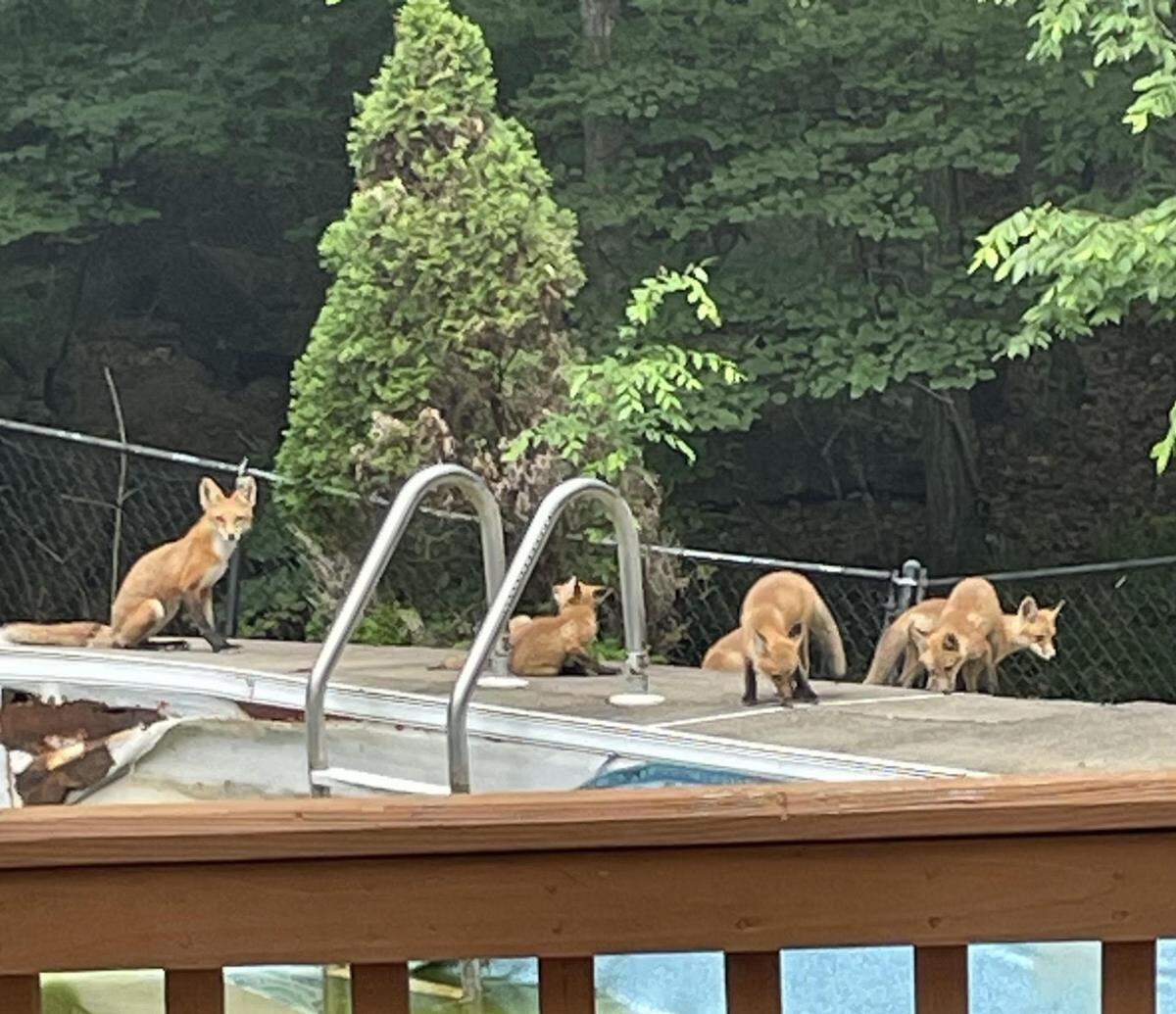
Until recently, I didn’t realize what a familiar sight foxes are in Georgia. A family of foxes have moved into my North Columbus neighborhood, and I became curious about our co-existence.
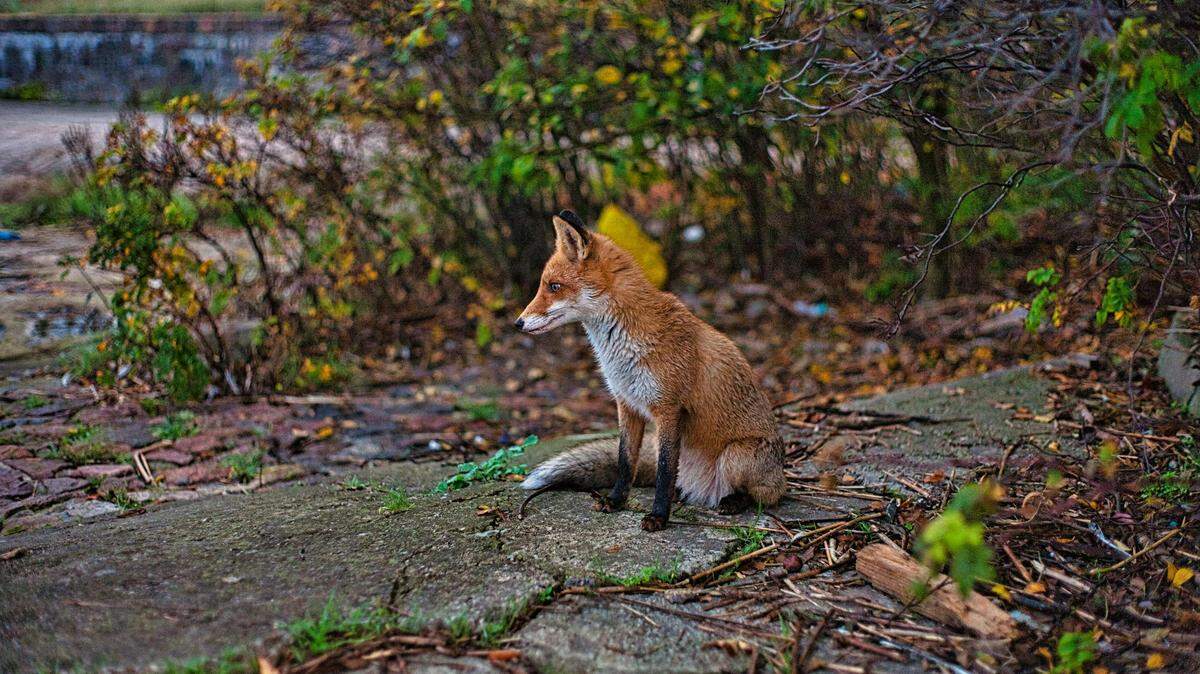
The Georgia Department of Natural Resources Wildlife Resources Division says Georgia is home to two species of fox: the red fox (Vulpes vulpes) and the gray fox (Urocyon cinereoargenteus).
I believe a red fox and her babies have been visiting us for a little while now. While these clever canids are generally shy and rarely pose a threat to people, it’s smart to know how to spot them, keep them out of your yard, and protect your pets.
How to identify foxes in Georgia
Foxes are known for their cunning and ingenuity and are quite the opportunists. They will take advantage of easy food, shelter or a quiet place to raise their young.
Overgrown shrubs, wood piles, open crawl spaces and unsecured trash cans are all invitations for foxes to stick around, so neighborhoods like mine with wooded areas and a water source are ideal.
Both species are about the size of a small dog and are most active at dawn and dusk.
Red foxes:
rusty-red coat
black “stockings” on their legs
bushy tail with a white tip
Gray foxes:
Smaller than a red fox
grizzled gray coat
reddish fur on their neck and legs
black-tipped tail. Why Foxes Show Up in Your Yard
How to keep foxes out of your yard
Even though images of foxes often make us think about dark forests with thick canopies they are very adaptable and can thrive most anywhere. These omnivorous critters usually don’t like to socialize with humans, but they may often cross your backyard on the way to food.
Rather than trap them, try to deter them. House Digest has a few suggestions:
Remove food sources: Secure garbage cans, pick up fallen fruit and don’t leave pet food outside. Clean up spilled birdseed, which can attract rodents (a fox favorite).
Eliminate shelter: Cut back dense brush, seal off crawl spaces and remove wood piles or debris where foxes might den.
Use fencing: Install sturdy fencing at least 6-8 feet tall with buried wire mesh to prevent digging. For extra security, use hardware cloth in an L-shape around the base of sheds or decks.
Try deterrents: Motion-activated sprinklers, lights or even banging pots and pans can scare foxes away.
Block den sites: Wait until any kits are old enough to leave, and then, disturb the site with leaves or mulch and seal off access.
Protect your pets
Small pets, especially rabbits, chickens and cats, are most at risk. While foxes usually avoid dogs, they may see small breeds as prey, so supervise your pets outdoors and don’t leave food out overnight.
Keep pets indoors at night or in secure enclosures.
Secure any gaps in fencing or walls are not larger than three inches.
Make sure any wire mesh is buried at least a foot deep to prevent digging.
Trapping is legal, but there are rules
It is legal to trap foxes in Georgia, but it is not always the best choice. It can disrupt local ecosystems, harm other wildlife and pets, and cause unnecessary suffering for the animals and their offspring.
Wildlife experts generally recommend non-lethal methods like the tips above to keep foxes and humans as good neighbors.
The official Georgia hunting regulations lay out specific guidelines:
Trapping season only runs from December 1 through the last day of February.
A trapping license is required to trap and sell fur, hides or live foxes.
Trappers may hold live foxes for up to five days during the open trapping season, but all foxes must be sold or dispatched within five days after the season ends.
Traps must be checked at least once every 24 hours, be properly tagged with the owner’s information, and only certain trap types and sizes are allowed.
You must have written consent from the landowner if trapping on someone else’s property.
Foxes are a natural part of Georgia’s ecosystem and make for fascinating neighbors. They are key in helping control rodents and other pests, so it’s just good practice to try to find a harmony with them.
If you have persistent problems, contact the Georgia Department of Natural Resources for advice.
I showed you my new fox neighbors, so if you want to show me yours, email me at srose@ledger-enquirer.com or find me on social media.
This story was originally published June 9, 2025 at 1:39 PM with the headline "I saw foxes in my Georgia backyard. What to know to keep pets safe."