
See how a restaurant health inspection goes ‘from A to B real quick’ in Macon
Most of a local restaurant’s health inspection take place out of customers’ sight, but the results can explain what happened before food landed on their plates.
To understand the tedious quirks of a health inspection, Mark Torres-Hauck, an environmental health specialist for the North Central Health District that oversees 13 Middle Georgia counties, walked The Telegraph through a scheduled mock inspection on Sept. 18, at Parish on Cherry, a Cajun-creole restaurant in downtown Macon.
The outcome of a health inspection comes down to a letter grade that mostly represents how clean the kitchen, bar and bathrooms are maintained, rather than the dining area.
“You can go from A to B real quick,” Torres-Hauck said at the start of the roughly two-hour tour. “We want to get very in-depth.”
An inspector from the health district will usually show up to the restaurant unannounced during business hours once every six months.
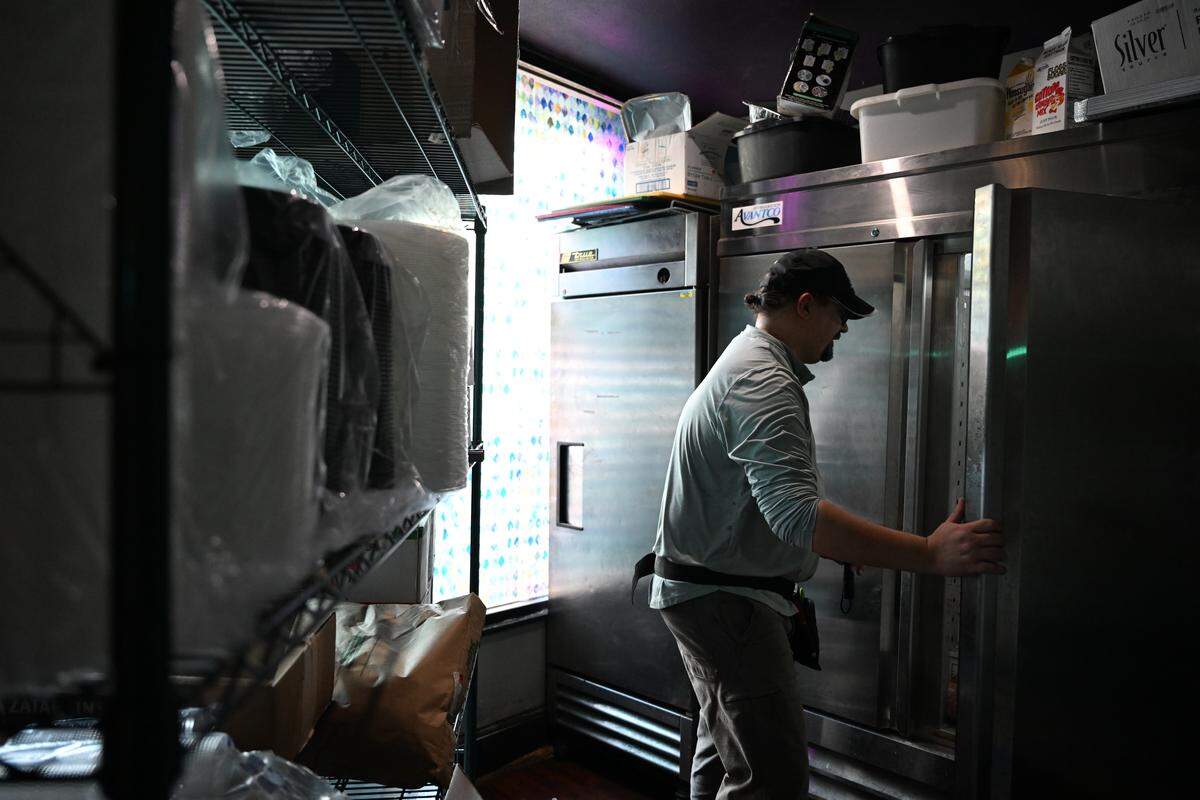
Inspectors don’t expect a restaurant to look perfect, especially if those in charge were never notified of an issue prior, he explained.
“You have to keep in mind, this is an active facility. They’re working. They have lunch rushes. They have things going on,” Torres-Hauck said.
A restaurant has some time to rectify a dirty observation, but if it doesn’t improve the issue by its next inspection, it could put a dent in the next score, he added.
“Their job is to increase the cleaning frequency of the interior,” Torres-Hauck said.
Areas in contact with food carry the most weight in a grade. Less apparent aspects such as a lifted floor panel, dust behind a television and cracks of air peaking through an exterior door are factored into the score, but not as heavily.
Another minute score reduction comes from bare wood, which can hold fungus. All wood on walls needs to be plastered over with paint or sealant.
“If it is bare wood, it starts absorbing stuff,” Torres-Hauck said, and laughed. “They don’t want stuff to be absorbed because they’ll start growing things and then … there’s a colony of mushrooms behind it.”
Inspectors are more lenient with structural issues such as floor materials and floor plan layouts in older establishments, like most in downtown Macon, Torres-Hauck said. New places that are inspected to get a restaurant permit have stricter standards.
The health department requires handwashing sinks to be within 25 feet away from food preparation areas, for example, but a longstanding restaurant’s health score won’t dramatically diminish for something like this.
“Standards were different back in the day,” Torres-Hauck said. “A lot of the facilities are old enough that the rules that specify certain things go in and out of date.”
He searched for not only muck and dust on surfaces, but also downward-facing and dented cups. Cups must be stored face-down to avoid dust or other contaminants from getting inside. Even the backs of TVs were swabbed with an alcohol wipe to check for dust and grime that could fall onto surfaces.
“These containers, they flip upside down so stuff doesn’t get inside the service side,” he said.
Torres-Hauck also keeps an eye out for busted cups and plates, which can become a hazard.
“If it starts cracking, it’ll continue cracking,” he said. “If you start messing with these, it’s plastic. It may come off.”
He swabbed several areas of the restaurant with alcohol wipes to search for dirt, even the wall of ice machines. While major corporate companies usually own soda fountains, it’s the restaurant’s responsibility to clean it.
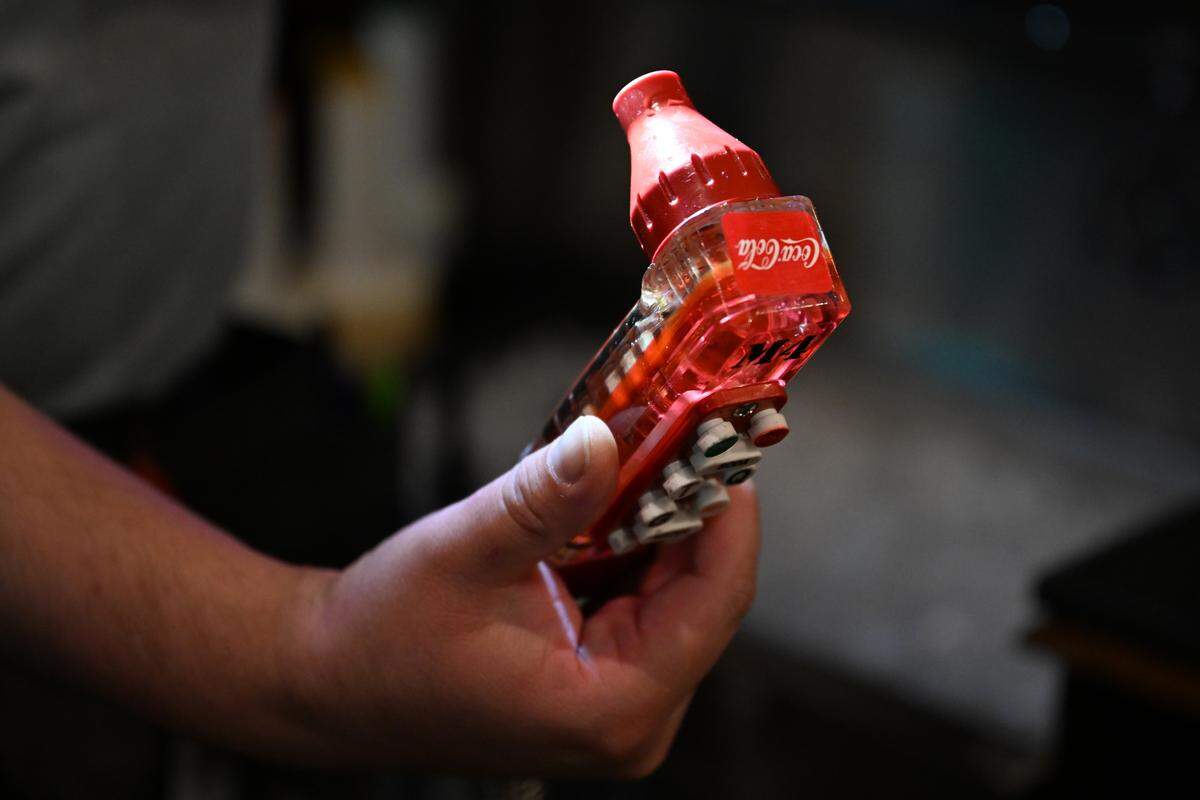
“They have to maintain it,” Torres-Hauck said. “This is like one of those things like, ‘Well, that’s my friend’s carafe I brought in.’ Well, it’s still part of the kitchen, sorry.”
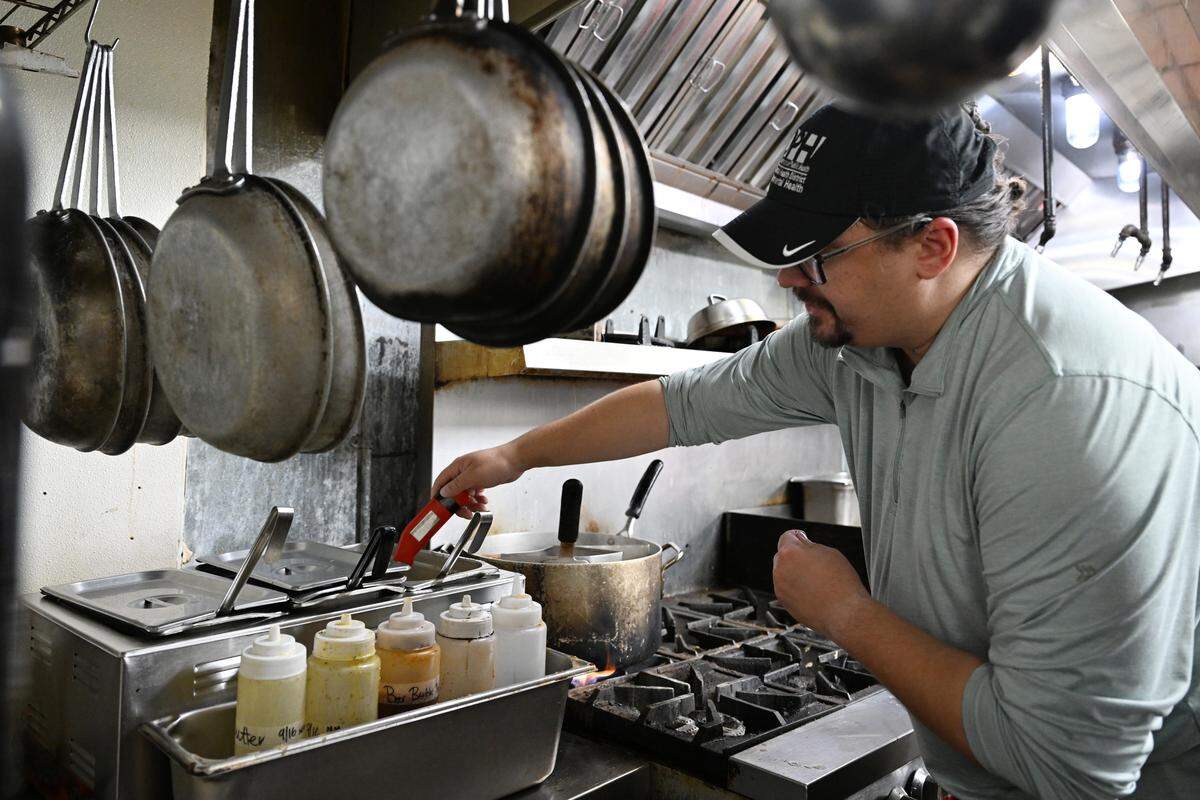
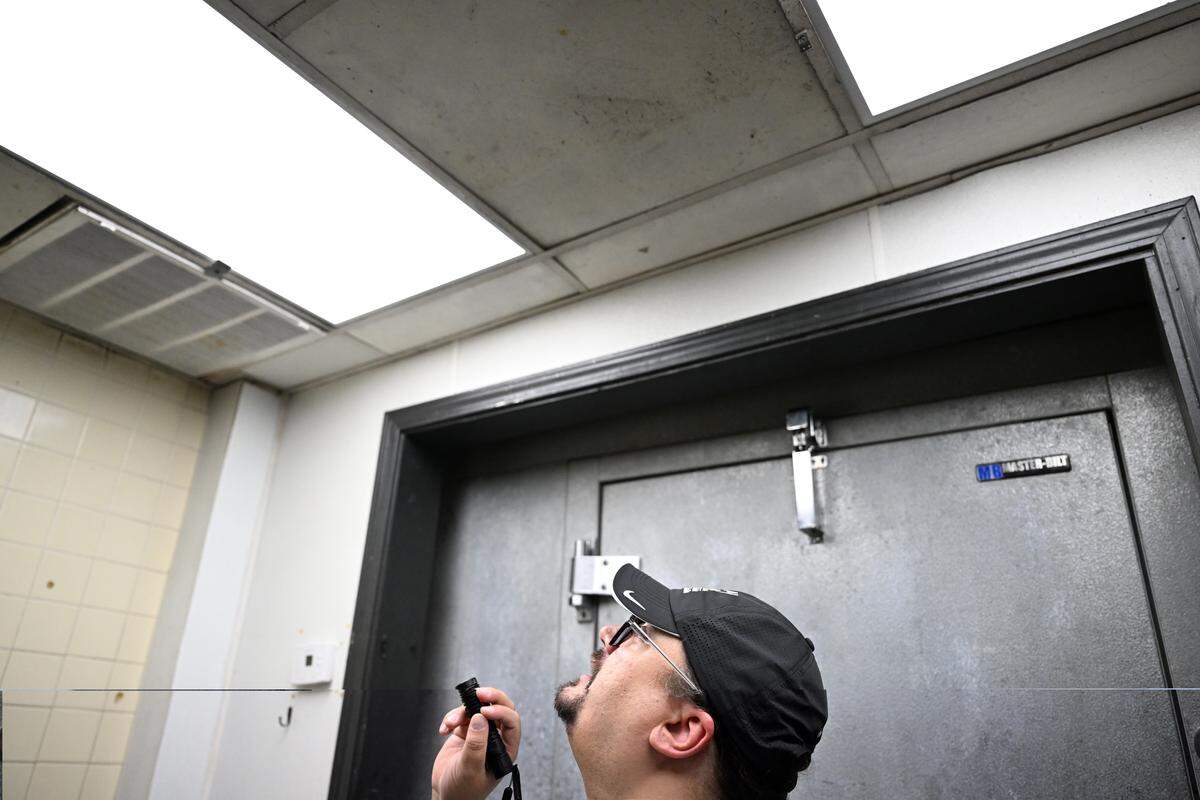
He uses a thermometer to test for proper temperatures in hot food and freezers; a test strip to check ammonia levels in cleaning products; and a flashlight to check for violations out of plain sight.
Because it was a mock inspection, the health department didn’t issue a score for the Parish. But the restaurant scored an A, or 93 out of 100, on its most recent inspection on Feb. 19.
While planning your next outing in Macon, you can search the restaurant’s score on the Bibb County Public Health Inspection Page online.
This story was originally published October 15, 2025 at 6:00 AM.