Bacon grease. To chill or not? Weigh in on this important matter, Georgia cooks
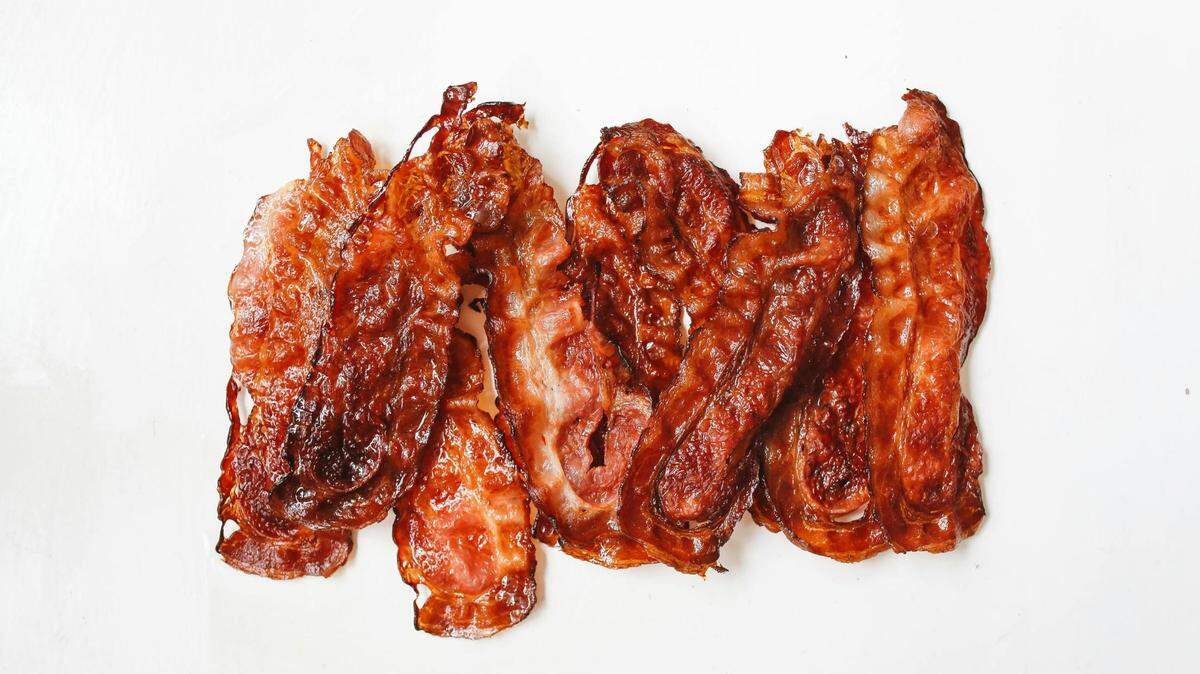
In the South, bacon grease can be a pretty hot topic. Every Southerner worth their weight in bacon understands it much more than just a cooking castoff. Opinions on how to store and use this liquid gold vary widely among Southern cooks, reflecting family tradition and individual preference.
Where do you keep yours?
The debate between refrigerating bacon grease and keeping it on the counter is a classic kitchen conundrum. Many Southerners swear by leaving it on the counter at room temperature. A lot of us inherited this practice from family members, remembering the tin coffee container that sat next to the stove.
On the other hand, there is a vocal sect that needs it to be refrigerated. In theory, it will extend its shelf life, and cut down the risk of it going bad more quickly. This may be a more recent preference, as many modern Southerners don’t use it to cook with as much as our predecessors.
What do you store it in?
What you put it in when you’re done is another point of contention. Mason jars are always a reliable option since they’re heat-resistant and have an airtight lid.
The Country Crock containers are a ubiquitous choice, but you’ll never know what’s in it without looking. My grandmother kept all her leftovers in these, so you had to open every lid to find the right stuff.
For those concerned about keeping it pure, there are specialty strainers designed to sit on the counter. Some folks like the cheese-cloth-lined containers to keep the rubbish out. These tools help separate the clear fat from the delicious “bits,” which can cause the grease to go bad faster.
Shelf Life and preservation
The longevity of bacon grease is the subject of a much-heated discussion. When refrigerated, properly strained bacon fat can last for several months. Depending on how often you’re adding it to your meals, this is probably the most economical way to go.
However, keeping it at room temperature makes it a lot easier to dispense and its handy stove-side position keeps it top of mind. If you’re keeping your grease on the counter, you’re probably using it fairly often.
Factors influencing shelf life include:
Storage temperature
Presence of meat particles
Exposure to air and light
Frequency of use
Want a tip from the pros? Add a pinch of salt to your bacon grease to extend its shelf life. You may think this is just an old wives tale, but there is some science to it. It helps with moisture reduction in the grease, can enhance the flavor and it stabilizes the chemicals.
The culinary gold standard
Regardless of storage methods, one thing remains constant: the reverence for bacon grease in Southern cooking. From seasoning cast iron skillets to frying eggs, this flavorful fat may not be great for getting those pants buttoned, but it sure is good on the taste buds.
Of course, there is no right way to treat your grease (unless you’re doing it wrong), but it mostly just comes down to how you like it.
How do you like your bacon grease stored? Tell me your tried and true tricks.
This story was originally published November 8, 2024 at 6:00 AM with the headline "Bacon grease. To chill or not? Weigh in on this important matter, Georgia cooks."