
F-15 rewire work winding down, but jobs remain
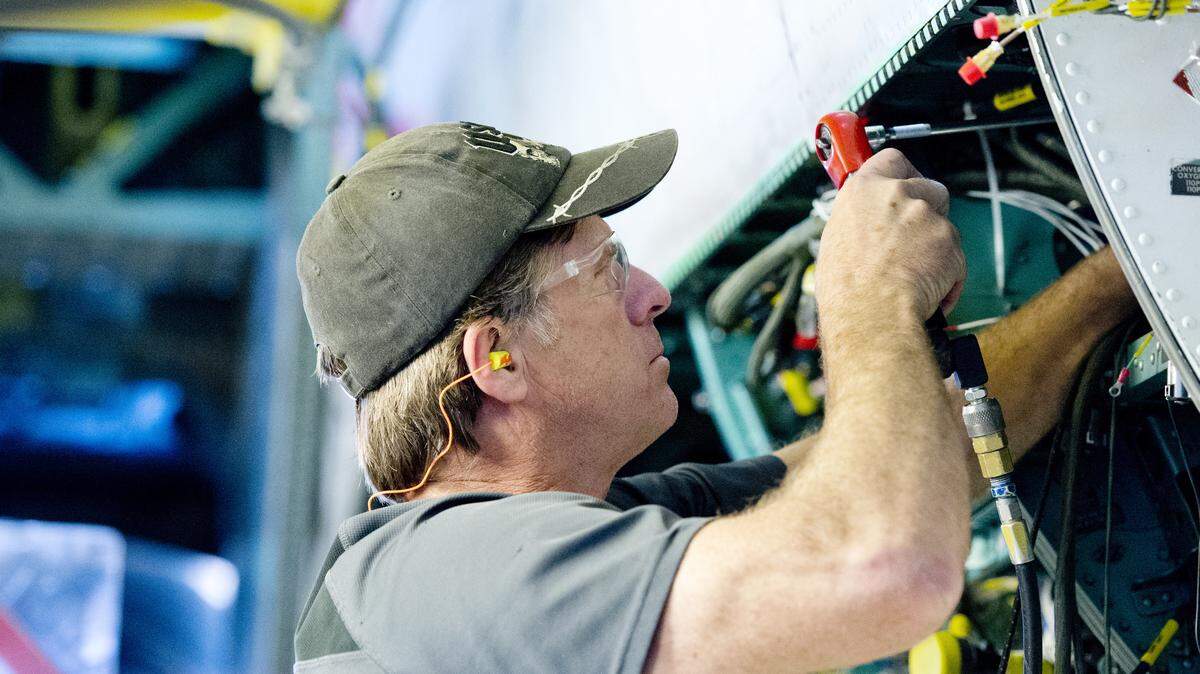
ROBINS AIR FORCE BASE -- A unique workload at Robins is coming to an end, but no one will be out of a job.
In a specialized hangar near the base runway, more than 100 mechanics have been working since 2009 to do the complete rewiring of F-15 fighters.
The wiring isn't ordinarily replaced during regular depot maintenance at Robins. Mechanics would inspect the wiring and replace it if needed, but otherwise the wiring isn't changed.
In the rewire program, all 27 miles of wires are pulled out of the plane and replaced, except for a few that may already have been updated.
The work is done in conjunction with standard programmed depot maintenance, which is done every six years on each jet.
The rewire unit has four planes left to do, expecting to finish in February. That will make a total of 118 F-15s rewired.
The 561st Aircraft Maintenance Squadron is in charge of all F-15 work done at Robins. Mike Arnold, the squadron director, said all of the rewire mechanics will still have a job. That's because as the rewire work winds down, work is increasing in other areas.
That includes a new workload to replace a key structural component on F-15s, the canopy sill longeron.
"In the big picture, Robins is not losing workload," Arnold said. "We are transitioning from the rewire program. This is a wash in terms of workload."
Additionally, some of the mechanics will be moving into other areas where aircraft electricians are needed.
The rewire hangar already is converting to a location for F-15s that are incoming and outgoing for depot maintenance. Tear downs will be done on one side and reassembly on the other.
Danny Rountree, a supervisor for the rewire work, said he's happy with how the project has gone.
"When we first started, it was a new experience and took a lot of training for some of the young guys," he said. "I think the guys have really enjoyed the rewire process. It was something new every day."
A key piece of equipment for the work was specially manufactured -- a tester in which every wire in the plane is connected after the rewire. At first it took 11 days just to hook it all up and do the check, but now that is down to six days.
The tester and other special equipment will be kept in storage for the possibility that more rewires will be done in the future.
Ken Josey, chief of the rewire unit, said it has been important work for keeping the planes flying.
"Without the rewire, the aircraft wouldn't be able to fly for as long as it has been," Josey said. "That's the whole reason for it, is to increase the life span of the aircraft."
The problem previously was that as wires became brittle, it would cause issues that could be tough to troubleshoot for field maintainers.
The rewire unit had as many as 170 people working in it at one time, but as they learned how to do the work, fewer workers were needed. Eventually it took only about 110 people to do the same work.
"It started out rough, but it got very smooth," Josey said. "I cannot say more good things about this team."
Arnold said there is a lasting benefit because the electricians who have done the work now know the wiring of the plane like never before.
"I get to take all of these people who have figured all that stuff out and use them in my squadron where they can take the good things they learned here," he said.
To contact writer Wayne Crenshaw, call 256-9725.
This story was originally published December 20, 2015 at 6:33 PM.