Wall that fell on teen at Robins Air Force Base wasn’t anchored, investigation shows
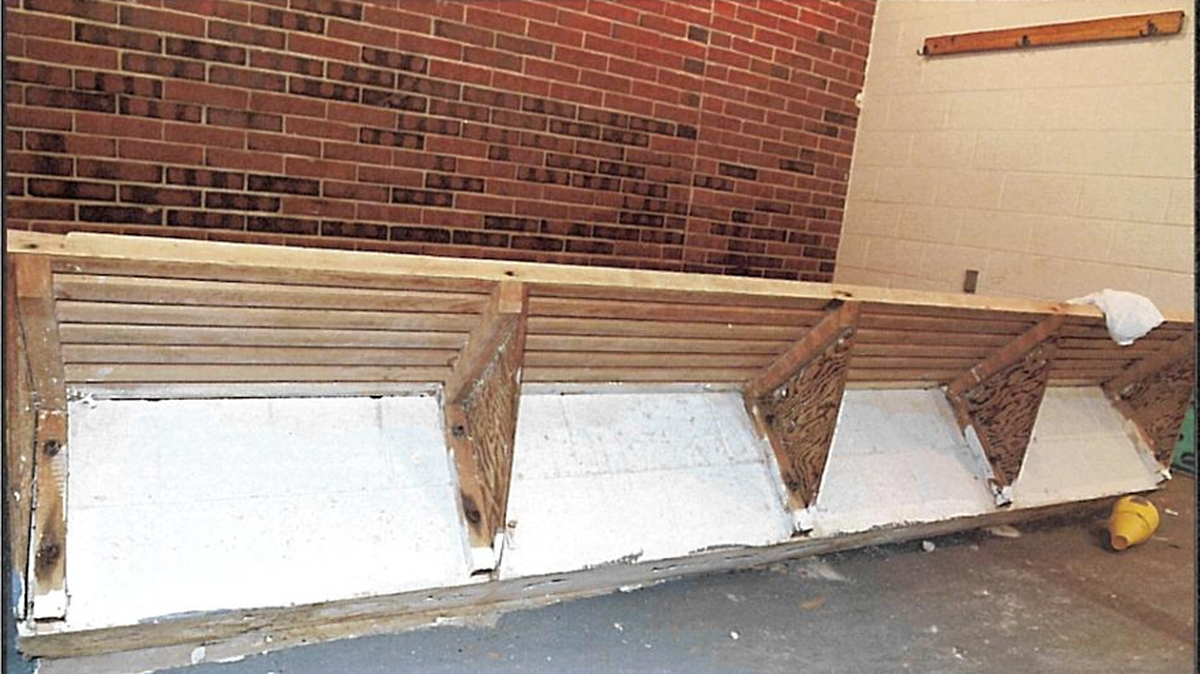
An investigation into a 14-year-old’s death at Robins Air Force Base shows the wall that collapsed on him wasn’t properly anchored, according to a report from the Air Force released Friday.
The investigation showed that, while the wall wasn’t properly anchored, there was also force applied that contributed to the collapse, and said there were no known deficiencies to the wall. There were differing accounts as to whether anyone was climbing on the wall when it began to collapse.
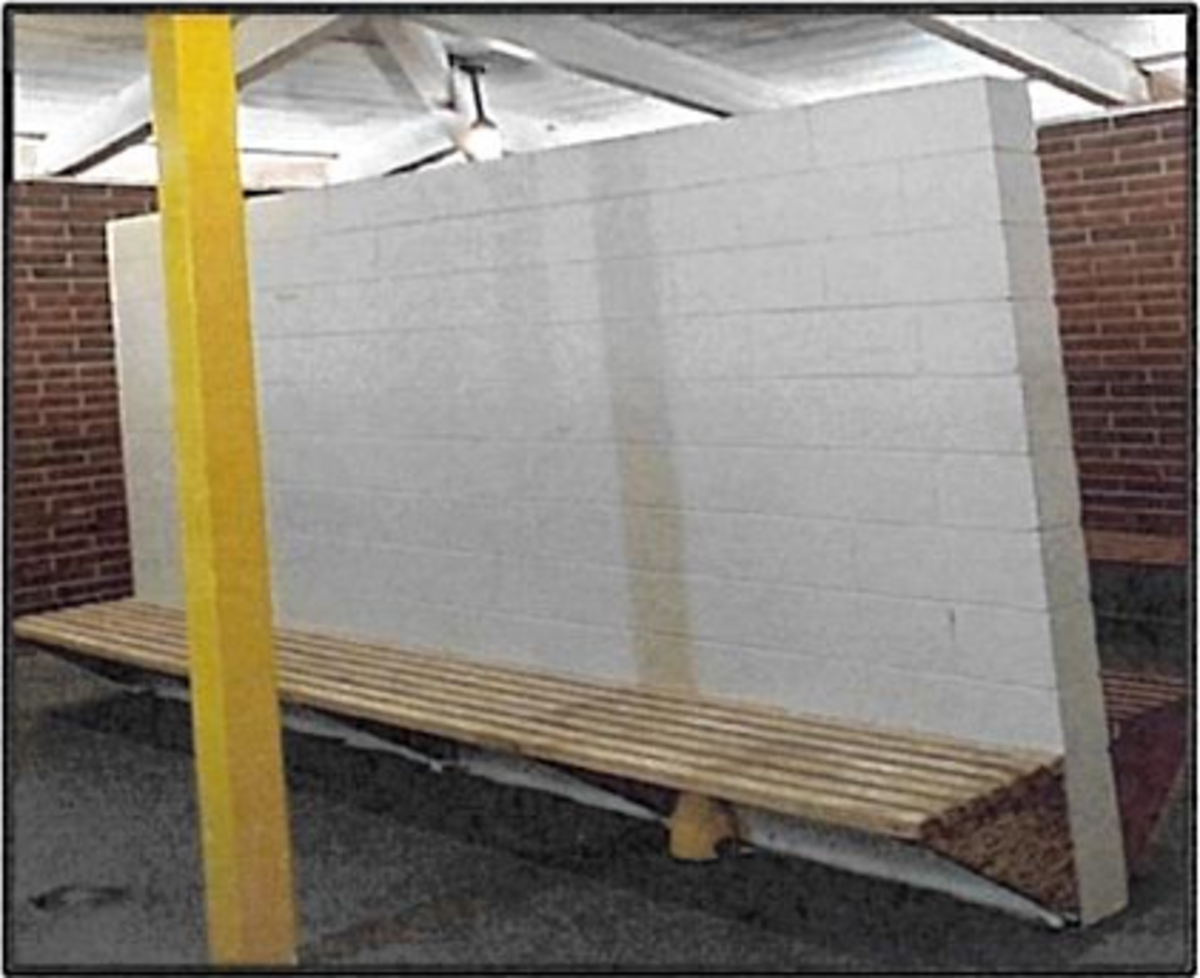
Gabriel Stone, his brother and two other teenage boys went to the men’s bathroom after going to the pool at Robins Air Force Base July 22 when a 7-foot-4-inch, freestanding cement partition wall in the bathroom fell and trapped two of the boys, including Stone.
Stone was taken to Houston Healthcare, where he died from head trauma. The report, released Friday, detailed what led up to the incident. The investigation showed that there was force applied to the wall, and the wall wasn’t anchored correctly to prevent overturning.
“Witness testimony and records reviews noted no reported or known deficiencies with the partition wall prior to the mishap,” Air Force officials said. “Post-mishap analysis of the wall did not indicate a structural failure. Rather, it fell over after some external force was applied.”
Some witnesses said people climbed on wall
Stone’s family was at the pool the afternoon of July 22, with dozens of others at the pool, according to life guards referenced in the Air Force’s report. Stone and the other minors got out of the pool around 3 p.m., for adult swim, and some of them went to the bathroom.
The partition wall began to lean while the boys were in the bathroom, according to the report. Stone’s brother and one of their friends attempted to hold it up while another attempted to assist from the opposite side.
“Witness accounts varied as to what took place immediately prior,” Air Force officials said. “The report noted scenarios ranged from no one touching the mishap wall, to anywhere from one to three people climbing on it.”
Lifeguards ran toward the bathroom where they saw the partition wall had fallen, and it broke “along several horizontal seams.” They called 911 as the remaining lifeguards near the pool cleared the area.
Part of Stone’s body was pinned under the wall while one of his friends was trapped underneath a bench. One of their friends stepped outside to call a relative, while Stone’s brother removed blocks to free Stone and the other boy.
Stone went in and out of consciousness, and lost his pulse, after lifeguards pulled him out from under the wall. Lifeguards performed CPR until first responders arrived.
Stone was transported to Houston Healthcare. Another boy was taken to Atrium Health Navicent in Macon to be treated for serious injuries. One of their friends and Stone’s brother were returned to their parents, the report said.
The Heritage Pool, where the incident happened, was closed for the rest of the season.
No concerns with the structure of the wall
The report states that the personnel assigned to maintain the men’s bathroom by the Heritage Pool did not identify or document any structural concerns with the partition wall. Lifeguards interviewed in the report would mention that they would use the benches frequently to change clothes and did not notice any dangers with the wall or the benches. They would also use the bathroom as a storm shelter where they spent “extended periods of time” on the benches of the wall without any indication of instability, the report says.
An inspection of the bathroom was made a month before the partition wall fell, which indicated there were no concerns with the wall.
However, the report mentioned that the wall’s structure evaluation concluded that its designer “did not follow the code requirements of the Standard Building Code (in) 1965.” The wall required support, like anchors that connected the base of the partition wall to the floor or vertical supports attached to the sides of the floor or ceiling to prevent overturning, according to the report.
“Nonetheless, the (wall) should not have fallen without an external force applied to it,” the report said.