This Macon group provides free fertilizer for some farmers. It may be hazardous, EPA says
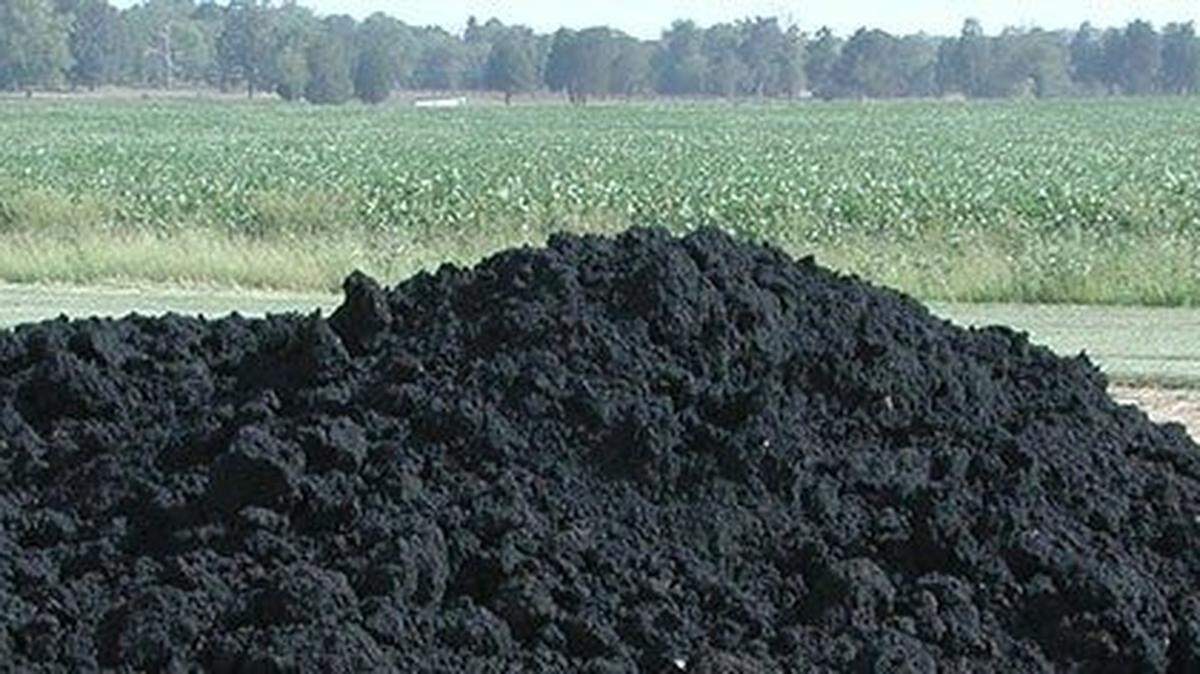
There are 14 farmers across Bibb, Houston, Peach and Twiggs counties that receive free fertilizer in the form of biosolids from the Macon Water Authority’s subsidiary, Macon Soils Inc.
But a few weeks ago, the federal EPA said this could be a potentially hazardous practice.
In a document released last month, the EPA said there are health risks associated with using biosolids, or sewage sludge as fertilizer because it may contain “forever chemicals” known as PFAs.
“The draft risk assessment focuses on those living on or near impacted sites (e.g., farm families and their neighbors) or those that rely primarily on their products (e.g., food crops, animal products, drinking water); the draft risk assessment does not model risks for the general public,” the EPA says.
The Macon Water Authority and Macon Soils said they are aware of the EPA’s announcement and the draft risk assessment. However, it’s undetermined if regulations will be created and, if so, when they would implemented.
If regulations are created, MWA and Macon Soils will “strictly adhere” to them, said Macon Soils Inc. Manager Blaine Harrell.
Macon Soils has never had any reported issues from farmers about forever chemicals in the biosolids they’ve received, Harrell said.
Currently Macon Soils has just under 2,800 acres of land that are permitted to receive biosolids, from private farms to MWA landholdings, according to Harrell. But only approximately 700 of those acres have biosolids applied in any given year.
Macon Soils has recycled 23,000 tons of biosolids, which fill about 1,600 large dump trucks, according to the group’s website. This saves money for landowners, the MWA and its many customers.
“To place the biosolids in a landfill, the cost to the MWA would be from $40-$60 per ton. By comparison, the cost to recycle the biosolids to spread on local farms is approximately $24 per ton,” according to their website.
Since the inception of Macon Soils in 1999, it is estimated that the MWA has saved over $15 million, according a Macon Soils Operational Overview.
The fertilizer applications are typically between 2 and 5 English tons per acre, Harrell said, and applications are made once a year but not necessarily every year. English tons are 240 pounds heavier than U.S. tons.
Macon Soils keeps detailed records, takes annual soil samples and assures there are buffer zones around houses, wells, roadways, waterways and property lines at the application sites in order to maintain a safe environment, according to their website.
The amount of fertilizer the farmers receive depends on several factors. It’s adjusted based on the crop’s nitrogen needs, the existing nitrogen in the soil and the nutrient content and moisture level on the biosolids themselves, according to Harrell.
Once accepted in the program, farmers can receive biosolids for as many years as they want them.
Every site abides by a federal regulation called the “Maximum Cumulative Pollutant Loading Rate,” which sets a limit for eight heavy metals measured in pounds per acre. If a site reaches the maximum allowed amount for any of these eight metals, no further biosolids can be put on that site, and therefore the farmer would no longer be in the program, according to Harrell.
However, it would take approximately 600 years of consecutive annual applications to reach the limit for the first restricting heavy metal, based on Macon Soils’ average analysis, according to Harrell.
Harrell said he believes this is a testament to MWA’s monitoring, analysis and Industrial Pretreatment Program.
This story was originally published February 6, 2025 at 10:49 AM.